
REVIEW · ONSEN & HOT SPRING TRIPS
Become a local! A Walking Tour of Arts, Crafts&Onsen Culture
Beppu is famous for hot springs, but this two-hour walk takes you somewhere more revealing: the everyday streets behind the spa town’s public face. You’ll browse a local market, watch bamboo workers at a factory dating to 1908, meet artists in their living space, and finish in a century-old house devoted to art and Beppu’s past.
I like the small group, limited to eight people, and the chance to speak with local makers rather than simply look at displays. I also like the guide-led context about how residents use onsen. The main consideration is clear: you will not enter an onsen or visit the famous Hells, and the route may change when businesses adjust their opening hours.
- A 1908 bamboo factory: Watch Oita bamboo become finely made household and decorative goods.
- Kiyoshima Apartment: Visit an artist residence and see where local creators live and work.
- Space Beppu: See historic photographs, contemporary art, and a gallery-shop inside a century-old Japanese house.
- Beppu Station Market: Start with fresh fish, vegetables, and conversations with local shopkeepers.
- A genuinely small group: With no more than eight participants, questions are easier and the walk feels personal.
- A practical introduction to onsen life: Learn how locals enjoy hot springs without being shown inside an onsen building.
In This Review
- Beppu beyond the famous hot-spring sights
- Starting with vegetables and local talk at Beppu Station Market
- Watching Oita bamboo take shape at Nagai Bamboo Factory
- Meeting artists at Kiyoshima Apartment
- Art and old photographs inside Space Beppu
- What the onsen lesson really includes
- How the small group affects the experience
- Walking comfort, timing, and who should book
- Is the $58 price fair?
- Should you book this Beppu walking tour?
- FAQ
- Where does the tour meet?
- How long does the walking tour last?
- Is the tour offered in English?
- How large is the group?
- Does the tour enter an onsen?
- Does the tour visit the Beppu Hells?
- Are food, drinks, and souvenirs included?
- Is the tour wheelchair accessible?
Beppu beyond the famous hot-spring sights
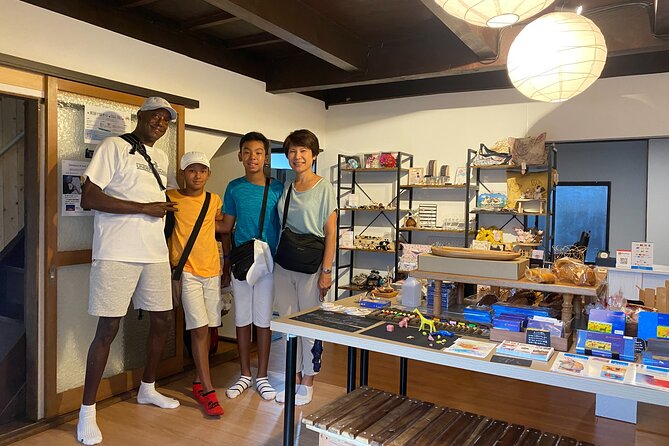
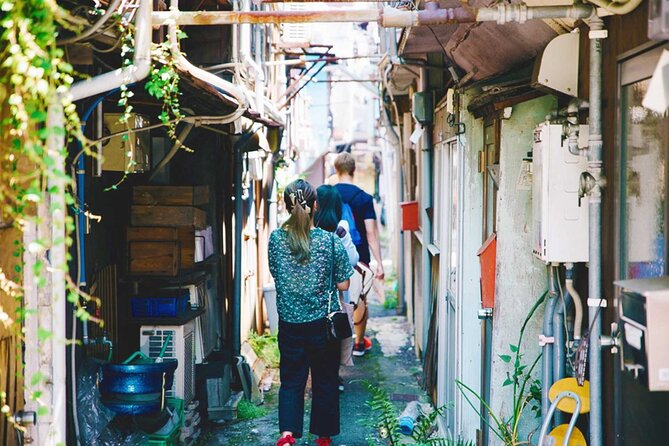
Many visitors come to Beppu for its steaming ponds and onsen resorts. This walk takes a different path. You’ll stay around downtown Beppu, using ordinary streets and side lanes to look at the people, trades, and creative spaces that make the city more than a place to soak.
That difference matters. The famous hot-spring attractions are easy to find on your own. A working bamboo shop, an artist residence, and a small local market are harder to locate and even harder to understand without someone to explain what you’re seeing.
The walk lasts about two hours, though the practical outline allows roughly 120 to 150 minutes. That extra time accounts for walking between stops, conversations, and changes in the route. You should expect a cultural stroll rather than a rapid checklist of sights.
The guide speaks English or Japanese. Masa has led the walk, and the guiding style described for him is relaxed, patient, and comfortable for questions. The group size is capped at eight, which is a useful feature here. The value of this tour depends on conversation, and conversation is much easier when you are not standing behind a crowd of thirty people.
Starting with vegetables and local talk at Beppu Station Market
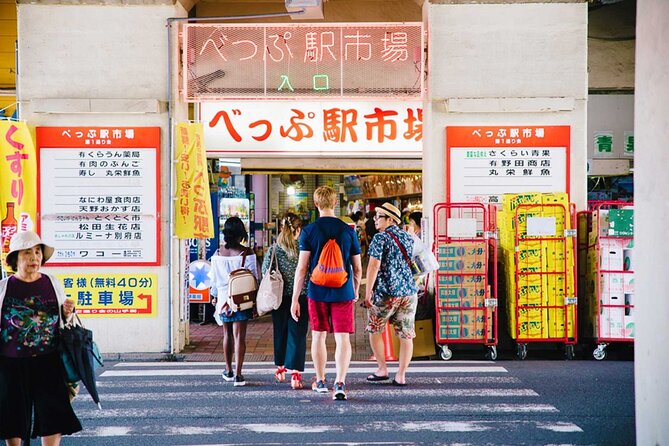
Meet five minutes before departure in front of Wander Compass, the tourist information center just outside the east exit of Beppu Station. The first stop is Beppu Station Market, where you’ll spend about ten minutes looking at fresh fish and vegetables and speaking with local business people.
This is a short stop, so do not expect a full market tour or a food tasting. Its purpose is to set the tone. Instead of beginning with a grand monument, the guide starts with food and commerce, the things residents deal with every day.
For you, the best part may be the chance to ask simple questions about what you see. The market helps connect Beppu’s onsen culture with daily life. Hot-spring towns still need groceries, shops, and regular customers, and this stop shows that Beppu is a functioning city rather than a stage set for sightseeing.
Food and drinks are not included, and bottled water is not provided. If you want a snack or a drink, plan to buy it separately. The short market visit is not designed as a meal break.
More walking tours in Japan:
- Kyoto Geisha Walking Tour: Gion District & Hidden Gems
★ 4.7 · 3,273 reviews - Tokyo Tsukiji Fish Market Food and Culture Walking Tour
★ 5.0 · 3,184 reviews - Kyoto: Gion Magical Night Walking Tour with Geisha Trivia
★ 4.9 · 2,393 reviews
Watching Oita bamboo take shape at Nagai Bamboo Factory
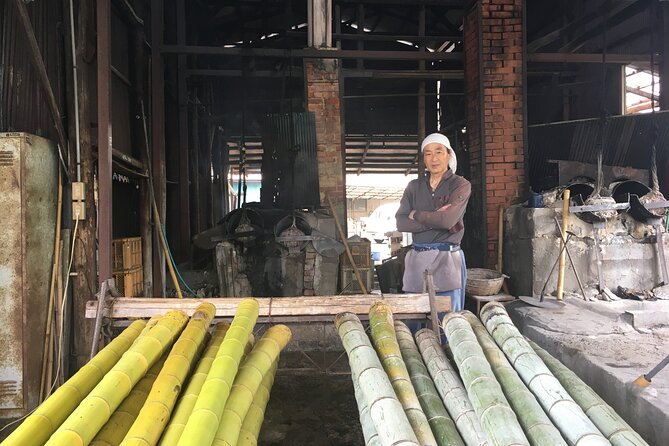
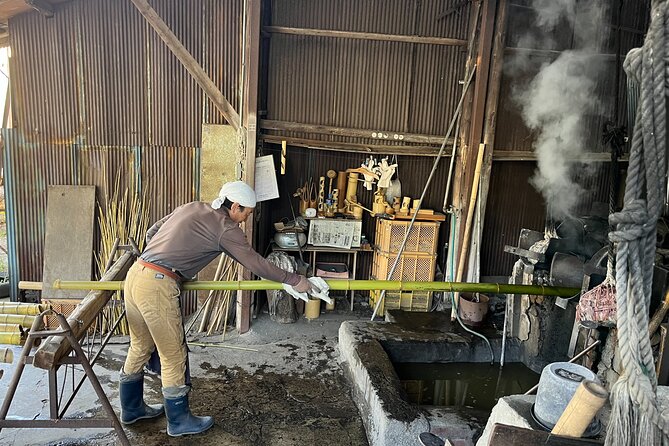
The tour’s strongest stop is likely Nagai Bamboo Factory, a workshop founded in 1908. For about thirty minutes, you can see artisans working with bamboo from Oita Prefecture and get a look at the workshop itself.
The appeal is in the handwork. Bamboo products can look simple when displayed in a shop, but the factory visit lets you see the skill behind them. You are not just looking at finished souvenirs. You are watching a local craft tradition remain part of working life.
You may also have a chance to speak face to face with the artisans. That personal contact is a major reason to choose this tour over a standard shopping stop. The craft becomes easier to appreciate when you can connect the object with the person who made it.
The factory also sells bamboo products, so this is the one place on the walk where you may want to buy something. Souvenirs are not included in the $58 price, but a purchase here can be more meaningful than picking up a generic item at a station shop. Keep in mind that the tour gives you about half an hour, so browsing time may be limited if the workshop conversation runs long.
This stop is especially good for visitors interested in Japanese craft, design, or the practical use of local materials. It is less suitable if you want hands-on bamboo making, since the described experience is observation, conversation, and shopping rather than a craft lesson.
Meeting artists at Kiyoshima Apartment
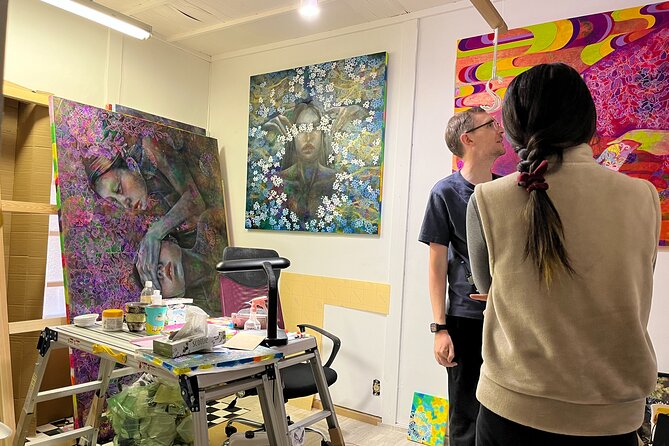
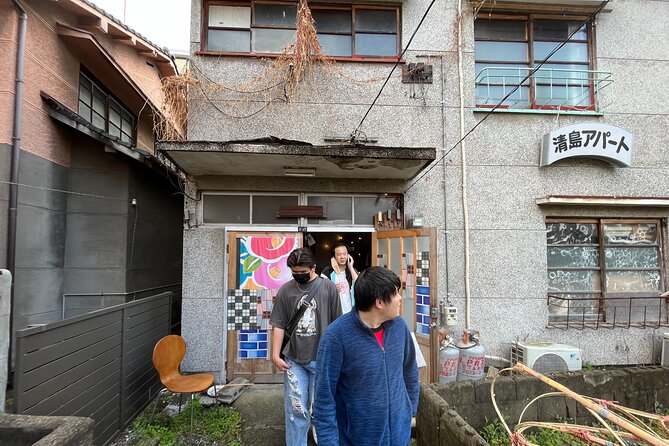
Next comes Kiyoshima Apartment, an artist residence where creators live and show their work. You’ll spend about twenty minutes here, meeting artists and getting a feel for the creative atmosphere of the building.
A visit to an artist residence is different from entering a formal museum. The point is not only to inspect finished pieces. You also get a glimpse of the setting in which artists live and work. That makes this one of the tour’s more unusual stops, especially for visitors who have already seen plenty of polished galleries.
The experience depends on who is available on the day. The information promises a chance to meet artists who live there, but the exact conversation and work on view can vary. That uncertainty is part of the appeal, though it also means you should not expect a fixed exhibition with a predictable list of artists.
One particularly memorable feature is the possibility of visiting a resident’s home and speaking with the person who lives there. That is an uncommon kind of cultural encounter, but you should approach it with the same courtesy you would use anywhere in Japan. Listen carefully, follow the guide’s lead, and remember that this is someone’s living space, not simply an attraction.
For me, this stop gives the walk its human character. The bamboo factory shows a traditional trade. Kiyoshima Apartment shows how Beppu’s creative life continues in the present.
Art and old photographs inside Space Beppu
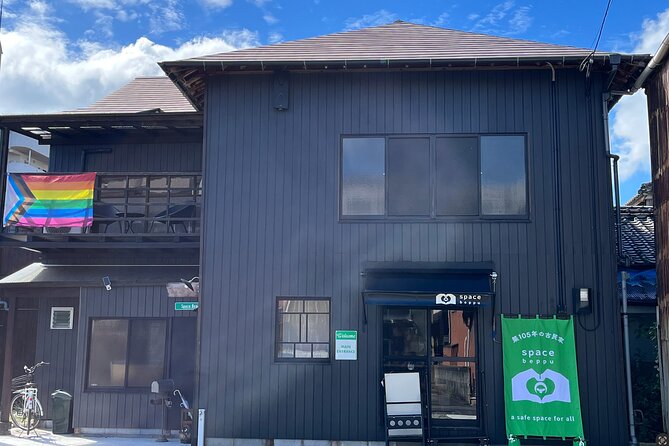
The final listed stop is Space Beppu, where you’ll spend about twenty minutes. This venue combines a contemporary art gallery, work by artists connected with Kiyoshima Apartment, a gift shop, and a history room filled with old photographs of Beppu.
The setting is part of the experience. Space Beppu occupies a Japanese house about a century old, so you are seeing art in a building with its own sense of age and use. The house gives the visit a more intimate scale than a large museum.
The historic photographs help place the rest of the walk in context. After seeing a present-day market, a working craft shop, and artists living in Beppu now, you can look back at earlier images of the city. That contrast lets you consider what has changed and what remains part of Beppu’s identity.
You can also spend time with local residents in a relaxed setting. The description does not promise a formal performance, workshop, or meal, so think of this as a quiet cultural stop rather than an entertainment venue. The gift shop offers another chance to browse, but purchases are extra.
Space Beppu makes a sensible ending because it brings the themes together: local memory, living artists, old buildings, and contemporary work. It is a small-scale finish, not a grand finale, which suits the tone of the walk.
More onsen & hot spring trips in Japan:
- From Osaka: Himeji Castle, Arima Onsen & Mt. Rokko Day Tour
★ 4.6 · 339 reviews - Osaka: Nara and Uji Day Trip with Deer Park and Hot Spring
★ 4.4 · 302 reviews - From Tokyo: Private Tour to Fuji/Hakone – Onsen, Art, Nature
★ 5.0 · 116 reviews - Mt. Fuji, Hakone Private Tour from Tokyo – Onsen, Arts and Nature
★ 5.0 · 79 reviews
What the onsen lesson really includes
The tour teaches you about how local people enjoy onsen, but it does not take you inside an onsen building. This distinction is important when comparing it with a bathing experience.
You will not receive admission to a bath, and you should not arrive expecting to soak. The onsen element is cultural explanation, not physical participation. That can be useful early in a Kyushu trip, when you want to understand local customs before trying an onsen on your own.
If your main goal is bathing, choose a separate onsen visit. If you want to understand how hot springs fit into Beppu’s daily life while also seeing craft and art, this walk covers more ground.
The tour includes admission fees for the listed facilities. Food, beverages, bottled water, and souvenirs are separate. At $58 per person, the price makes the most sense if you value access and conversation at the private or working sites. You are paying less for a long list of monuments and more for a small group, a bilingual guide, and introductions that would be difficult to arrange independently.
How the small group affects the experience
A maximum of eight participants is a real advantage. At the market, you can hear explanations without being pushed to the back. At the bamboo factory, the group can gather around the work area without overwhelming it. At the artist residence, a smaller party is also more respectful of the setting.
The walk has received a 5 out of 5 rating from 13 bookings, with repeated praise for the guides’ English, patience, and ability to answer questions. Daniel specifically appreciated the mix of an unfamiliar downtown district and local bamboo craft, while Edward found the visit to a resident’s home especially unusual. Those details point to the tour’s real strength: personal contact, not famous scenery.
That said, a small group does not remove every uncertainty. Businesses may change their opening hours, so the route and stops can change. The tour description does not promise that every artist or artisan will be available for an extended conversation. You should book it for the overall experience, not for one guaranteed individual encounter.
One useful improvement would be a simple map of the places visited. You can orient yourself at Beppu Station, but a take-home map would help you remember the side streets and return later. Bring your own phone map if that matters to you.
Walking comfort, timing, and who should book
Most people can take part, and the stated age range is 0 to 80. Still, this is a walking tour through downtown streets, and it is not recommended for people with back problems. It is also not suitable for wheelchair users.
Wear comfortable shoes and carry water, since bottled water is not included. The tour begins at Beppu Station, making it easy to fit into a day in central Beppu. Because the route may change, leave a little room in your schedule rather than booking a tight connection immediately afterward.
I would choose this walk if you:
- Want local culture instead of the main Beppu attractions
- Prefer a guide who can answer questions in English or Japanese
- Care about Japanese craft and contemporary art
- Like small groups and informal conversations
- Want onsen background without booking a bathing session
- Have already seen the major hot-spring sights and want a different side of the city
I would skip it if you mainly want the Hells, a long onsen visit, a food tour, or a hands-on bamboo class. None of those are the focus here.
Is the $58 price fair?
At first glance, $58 for two hours may seem high compared with a self-guided walk. The comparison changes once you consider what is difficult to arrange alone.
You could visit Beppu Station Market without help. You might also find the bamboo factory or Space Beppu with careful planning. But you would likely miss the background that links these places, and you may not have the right introduction for a conversation with artisans or artists.
The price includes admission fees and a live bilingual guide. It does not include food, drinks, or shopping. For a visitor who wants access to local creative spaces and values a guide’s explanations, I consider it a fair mid-range price. For a visitor who wants only free public sights, it will feel expensive.
The small group is what protects the value. If the tour were crowded, the artist residence and workshop visits would lose much of their appeal. With no more than eight people, the format fits the places being visited.
Should you book this Beppu walking tour?
Book it if you want to see Beppu as a living city of markets, craft workers, artists, and old houses. The bamboo factory and Kiyoshima Apartment are the main reasons to go, while Space Beppu provides a thoughtful finish with art and old photographs.
Do not book it expecting the Hells, an onsen bath, or a fixed route. The walk works best when you are open to small changes and willing to spend time listening. For a first visit to Beppu, I would pair it with a separate onsen experience and the city’s better-known hot-spring sights. Together, they give you both the postcard version of Beppu and the local one.
FAQ
Where does the tour meet?
Meet in front of Wander Compass, the Beppu Station tourist information center just outside the station’s east exit. You should arrive five minutes before the start time.
How long does the walking tour last?
The tour is listed as two hours, with the practical timing given as approximately 120 to 150 minutes.
Is the tour offered in English?
Yes. The live guide languages are English and Japanese.
How large is the group?
The tour is limited to eight participants.
Does the tour enter an onsen?
No. You learn about how locals enjoy onsen, but you are not shown inside an onsen building and no bathing session is included.
Does the tour visit the Beppu Hells?
No. The route focuses on lesser-known cultural streets and alleys in downtown Beppu rather than the popular Hells attractions.
Are food, drinks, and souvenirs included?
No. Food, beverages, bottled water, and souvenirs cost extra. Admission fees for the facilities are included.
Is the tour wheelchair accessible?
No. The experience is not suitable for wheelchair users, and it is not recommended for people with back problems.
More Spa & Hot Springs in Japan
- From Fukuoka: Mount Aso, Kurokawa Onsen, and Shrine Tour
★ 4.6 · 72 reviews - Private Nagano 1-Day Tour:Snow Monkeys,Zenko-ji,Obuse,Sake,Onsen
★ 5.0 · 71 reviews - Tokyo: Mt Takao Tour with Ramen and Tattoo-Okay Hot Spring
★ 5.0 · 69 reviews - Snow Monkey & Shibu Onsen Afternoon Tour (Depart: Iiyama & Nozwa)
★ 5.0 · 54 reviews
Just added around Japan
- Tokyo: Customizable Private Guided Walking Tour★ 4.5 · 129 reviews
- Private Harajuku Omotesando Architecture Tour★ 4.9 · 18 reviews
- Tokyo: Guided Helicopter Ride★ 4.9 · 24 reviews
- Tokyo: Guided Walking Tour of Tsukiji Market with Lunch★ 4.4 · 24 reviews
- Tokyo: Private Personalized Local Food Tour★ 4.5 · 101 reviews
- Tokyo GINZA: KONPARU Japanese Cabaret Show with Drink★ 4.8 · 38 reviews
- Tokyo: Guided Walking Tour of Tsukiji Market with Breakfast★ 4.4 · 134 reviews
- Tokyo: Gotokuji Cat Temple, Shinjuku Cat Cafe & 3D Cat Tour★ 4.9 · 38 reviews
Onsen & Hot Spring Trips, compared.
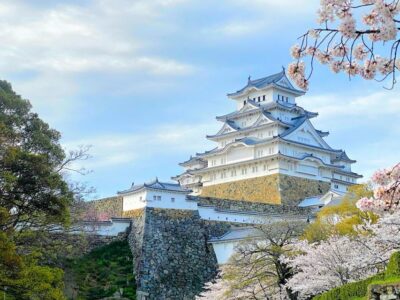
Himeji Castle, Arima Onsen & Mt. Rokko Day Tour
Read our review →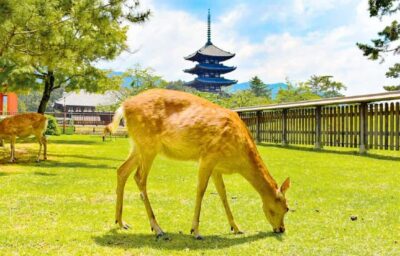
Nara and Uji Day Trip with Deer Park and Hot Spring
Read our review →
Private Tour to Fuji/Hakone – Onsen, Art, Nature
Read our review →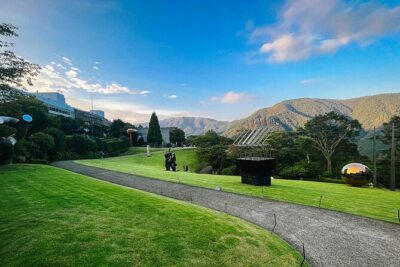
Mt. Fuji, Hakone Private Tour from Tokyo – Onsen, Arts and Nature
Read our review →

Private Nagano 1-Day Tour:Snow Monkeys,Zenko-ji,Obuse,Sake,Onsen
Read our review →
Mt Takao Tour with Ramen and Tattoo-Okay Hot Spring
Read our review →
Snow Monkey & Shibu Onsen Afternoon Tour (Depart: Iiyama & Nozwa)
Read our review →Browse the lists this tour appears in