
REVIEW · HIMEJI TOURS
A Tour to Visit Himeji’s Popular Destinations in a day!
Himeji’s great advantage is that its two best sights fit into one rewarding day: the brilliant white Himeji Castle and the forested mountain temple of Engyoji. This private tour links them with a guide, so you can focus on the buildings, views, and stories instead of checking train times and street maps.
I especially like the opening walk from Himeji Station, where the castle grows larger along Otemae Street, and the quiet change of mood at Mount Shosha. I also like the private format, which lets guides such as Hiro, Yoriko Nakagawa, Coco, and Totiko adjust the pace or visit order. The main consideration is the amount of walking, including a mountain path and castle stairs, plus extra local costs that are not covered in the headline price.
In This Review
- Key points to know before booking
- Why this Himeji day works so well
- Starting at Himeji Station’s best viewpoint
- Walking up Otemae Street
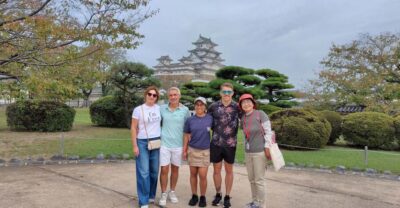
- Himeji Castle, the main event
- Koko-en Garden and a calmer castle view
- Taking the Mount Shosha ropeway
- The mountain path to Engyoji Temple
- What the private guide adds
- Price, extra costs, and overall value
- Weather, timing, and who should book
- Should you book this Himeji tour?
- FAQ
- Where does the tour start?
- Where does the tour finish?
- How long does the tour last?
- Is this a private tour?
- What places are visited?
- Are admission fees included?
- How much extra money should I plan for?
- Can the tour change because of weather?
Key points to know before booking
- Two very different Himeji icons in one day: Pair a formal samurai castle with a wooded Buddhist temple complex.
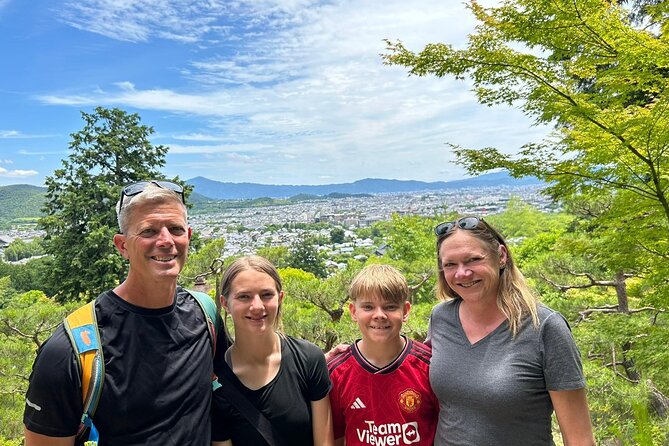
- A true private outing: Only your group participates, with a guide meeting you at Himeji Station.
- The station-to-castle approach matters: The opening view from the station deck and walk along Otemae Street help you understand Himeji’s layout.
- Mount Shosha requires effort: The ropeway saves you from the steepest climb, but you still need comfortable clothes and shoes for the mountain route.
- Budget beyond the tour fee: Transportation, entrance fees, and food are estimated at ¥4,470 per person, including the ¥2,050 Himeji Castle admission.
- Weather can change the plan: Rain or other poor conditions may alter transportation, destinations, or routes.
Why this Himeji day works so well
This is a neatly packed introduction to Himeji. In about seven and a half hours, you see the city’s signature castle, a carefully designed garden, a ropeway ride, and a major temple site in the hills. You also get a guide who can explain why each place matters rather than leaving you to connect the pieces on your own.
The day has a useful rhythm. Himeji Castle gives you grand architecture and military history. Koko-en slows things down with greenery and garden views. Mount Shosha then takes you away from the city, where the air, trees, and old temple buildings create a quieter setting.
Because the tour is private, you are not tied to the needs of a large group. That matters at Himeji Castle, where the interior route can feel more demanding than the postcard view suggests. A guide can explain details as you go and help manage the timing between the castle, garden, ropeway, and temple.
The guide quality will depend on who is assigned. Past departures have been led by Yoriko Nakagawa, Hiro, Coco, Totiko, and Ms. Ishimaru. Several guides were praised for friendly service, clear explanations, flexibility, and good route planning. One departure had an English communication problem, so if detailed English commentary is especially important to you, it is sensible to confirm the guide language and expectations before booking.
Other Japan days people book alongside this one:
- Mt Fuji and Hakone 1-Day Bus Tour Return by Bullet Train
★ 5.0 · 26,383 reviews - 1-Day Tokyo Bus Tour
★ 5.0 · 14,250 reviews - PERFECT KYOTO 1-Day Bus Tour
★ 5.0 · 13,518 reviews
Starting at Himeji Station’s best viewpoint
Meet your guide at Himeji Station at 9 a.m. The first stop is the station square’s Castle View Deck, a short ten-minute orientation with no admission charge.
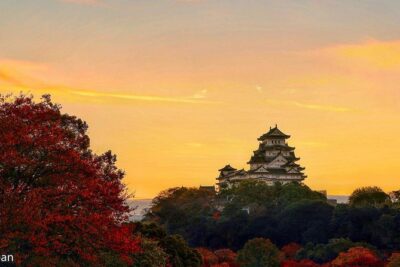
This is more than a quick photo stop. From the deck, you can see Himeji Castle lined up with the city approach. The long view helps you grasp the relationship between the railway station, the main boulevard, and the castle grounds. You get the classic first glimpse before walking toward the building itself.
A guide can also help you notice how the castle’s position dominates the center of Himeji. That visual approach is one of the pleasures of the day, and it is easy to miss if you simply arrive by taxi or rush straight through the station area.
Walking up Otemae Street
From the station, you continue along Otemae Street for about ten minutes. This broad road connects Himeji Station with the castle and gives you a gradual approach rather than an abrupt arrival.
As you walk, the castle appears to grow larger and more imposing. I like this part because it turns the visit into a small procession. You begin with a distant view, then move toward the white walls and layered roofs on foot.
There is no separate admission charge for this section, but you should count it as part of the walking day. If the weather is hot, the open approach can add to your fatigue before you even enter the castle. Bring water and use the guide’s advice about pace, especially if you want enough energy for Mount Shosha later.
Himeji Castle, the main event
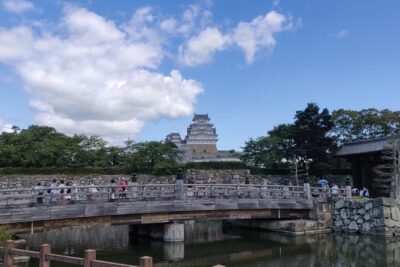
You spend about an hour and a half at Himeji Castle, with admission listed separately from the tour price. The castle is famous for its white appearance, graceful form, and strong defensive design. It was the first historical building in Japan to receive World Heritage recognition, and the visit gives you a close look at why it has such a powerful reputation.
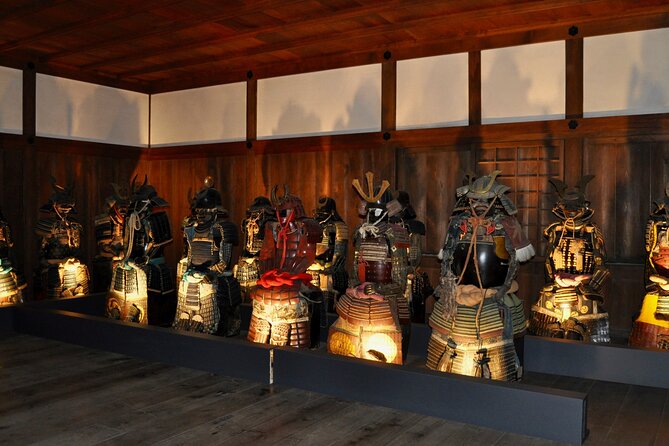
The outside is the instant attraction. Its white walls and complex rooflines look elegant from a distance, yet the design also reflects warfare. Defensive equipment and features connected with samurai-era fighting are part of the story your guide can explain.
Inside, the experience is less about polished rooms and more about structure, movement, and defense. You may encounter stairs and a route that requires steady walking. Strollers cannot be used inside, and they must be left in a designated area before entry.
The private guide is useful here. A castle can otherwise become a blur of walls, gates, corridors, and lookout points. With someone explaining the purpose behind what you see, the building becomes easier to read. You can also ask questions that suit your interests, from samurai life to the castle’s defensive layout.
Allow for the fact that the castle visit is active rather than passive sightseeing. Wear shoes that feel secure, and do not treat the one-and-a-half-hour estimate as a promise that the interior will feel leisurely. The castle is the day’s most important stop, but it is also one of the places where tired legs can become an issue.
Same city, a completely different kind of day:
- Tokyo: TOKYO SKYTREE® Admission ticket
★ 4.5 · 11,192 reviews - Tokyo: teamLab Planets TOKYO Digital Art Museum Entry Ticket
★ 4.6 · 9,779 reviews - Mt Fuji & Hakone Cruise, Drum Show Bullet Train 1 Day from Tokyo
★ 4.0 · 7,413 reviews - Tokyo: Sumo Show Experience with Chicken Hot Pot and a Photo
★ 4.8 · 6,678 reviews
Koko-en Garden and a calmer castle view
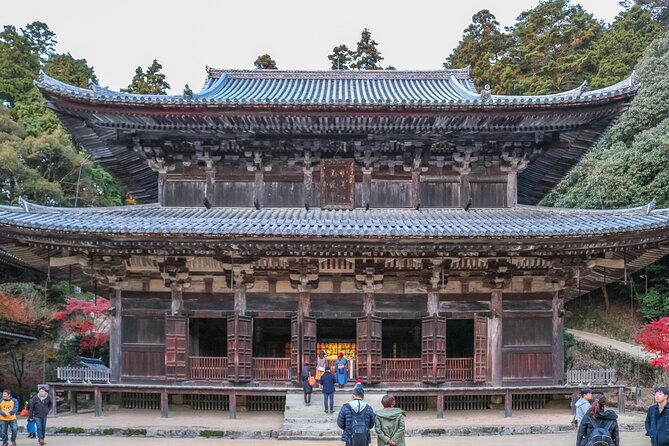
After the castle, the tour continues to Koko-en Garden for about one hour and twenty minutes. Admission is not included, so you will need to budget for it along with the other local expenses.
Koko-en provides a welcome change of pace. Instead of looking up at walls and roofs, you move through Japanese garden spaces with planted areas and views back toward Himeji Castle. The garden gives you another way to photograph the castle, framed by greenery rather than the open city approach.
I like the timing of this stop. Placing the garden after the castle lets you appreciate the building from a quieter distance. It also creates a natural pause before the second half of the day, which shifts from the city to Mount Shosha.
A guide can add context to the garden’s design and point out the best castle viewpoints. You should still expect walking on paths rather than a sit-down garden visit. If you are carrying a stroller, confirm how it can be used in this part of the route, since the supplied information specifically warns about stroller storage inside Himeji Castle.
Taking the Mount Shosha ropeway
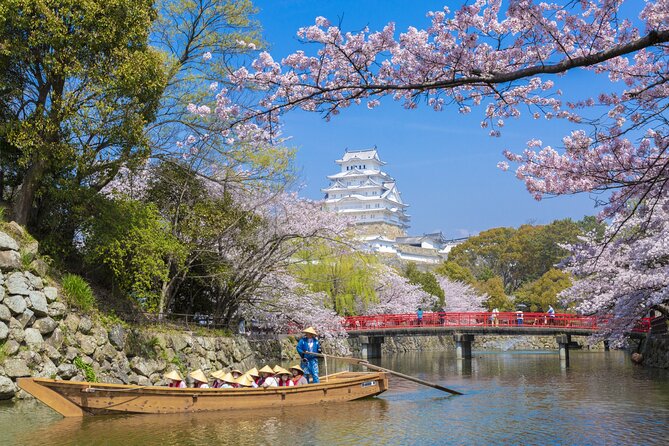
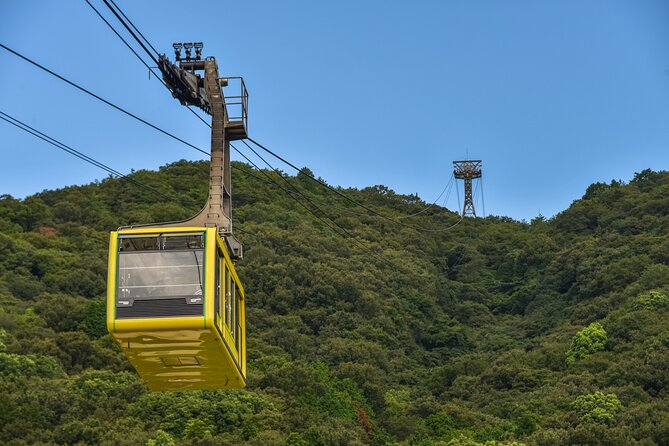
The next stage takes you to Mount Shosha Ropeway’s Sanroku Station. The ride itself is listed at about ten minutes, and the ropeway admission is not included.
The ropeway replaces the old uphill approach that people once had to walk. That makes the mountain temple practical for a day tour, but it does not remove all exertion. You still have to walk from the upper station along the mountain route and through the temple grounds.
The ride offers a change in view as Himeji recedes below. It is also a useful transition between the city’s large stone-and-plaster monument and the wooded religious site above it.
The tour uses public transportation, with estimated transportation costs of ¥1,420 per person. You are not paying for a private car, so the guide’s role in handling the route is valuable. One of the strongest reasons to choose this outing is that you do not have to work out the connections and ropeway arrangements yourself.
The mountain path to Engyoji Temple
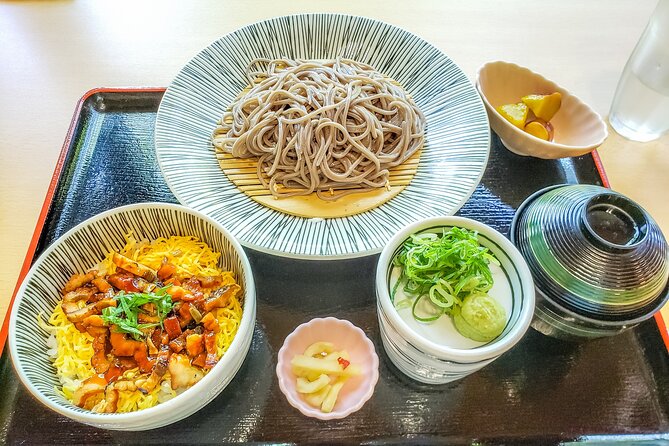
After getting off at the ropeway’s Sanjo Station, you head to the mountain entry reception and pay the admission fee. The temple portion takes about an hour and a half, and the site itself is listed as free in the supplied schedule, though the separate mountain entry charge is included in the estimated admission costs.
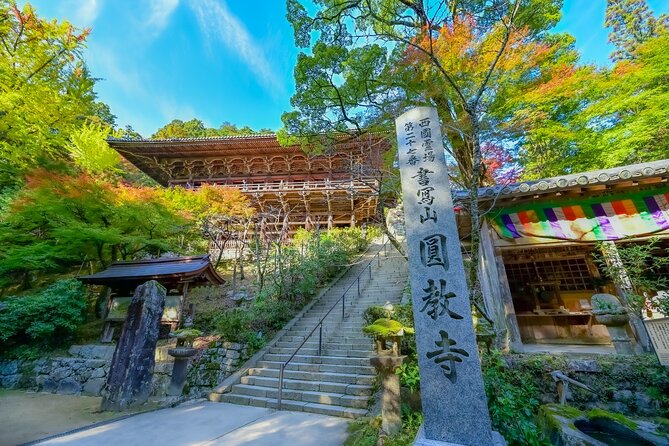
Engyoji is a large mountain temple complex where traditional Buddhist architecture meets forest scenery. The approach is part of the experience. You walk through a wooded setting, with the route leading toward Maniden, one of the temple’s major structures.
The setting feels entirely different from Himeji Castle. The castle is open, formal, and tied to military power. Engyoji is quieter and more secluded, with buildings set among trees and mountain paths. That contrast gives the day its strength. You are not simply visiting two famous buildings that look alike. You are seeing two different sides of Japanese history and religious tradition.
The scale of Maniden is a highlight. The structure’s size, its position in the mountain setting, and the surrounding natural scenery create strong photo opportunities. You should allow time to look beyond the main building. The appeal lies in the combination of architecture, trees, air, and the sense of an old pilgrimage route.
This is the part of the tour where practical preparation matters most. Wear comfortable clothing and shoes for a mountain path. The route can be steep, and the day already includes the castle and garden before you reach it. If rain arrives, the path may feel more demanding, and the operator may change the route or transportation.
What the private guide adds
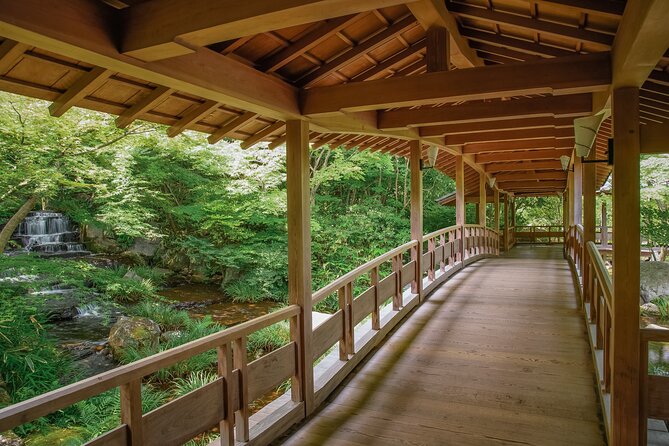
A private guide changes the day from a checklist into a connected story. At the station, you learn how Himeji is arranged. At the castle, you get help understanding the defensive features. At Koko-en, you see how garden space changes the castle view. At Engyoji, you can ask about Buddhist buildings and mountain worship.
The private setup also gives you room to speak up. If you want more time for photos, have a strong interest in samurai history, or need to slow down in the heat, you can discuss it directly with your guide. One past guide adjusted the order because of hot weather, which is exactly the sort of practical judgment that can make a long day easier.
Guide styles will vary. The strongest examples in the supplied feedback describe guides as friendly, professional, flexible, and good at route planning. Yoriko Nakagawa was singled out for handling a heavy-rain day with care. Hiro was praised for adjusting the order, and Coco received warm approval for the castle portion. Totiko was noted for planning the route well, and Ms. Ishimaru answered questions across the castle, gardens, ropeway, and mountain temples.
At the same time, you should not assume every guide will communicate at the same level of English. One person found the guide’s English insufficient for easy conversation. That does not cancel out the value of the itinerary, but it is a fair point to consider before you pay for a guide-centered experience.
Price, extra costs, and overall value
The tour price is $144.96 per person. For a private seven-and-a-half-hour experience, that can be reasonable if you value personal guiding and do not want to coordinate the day yourself.
The important detail is that the advertised price is not your full day’s cost. Estimated additional expenses total ¥4,470 per person:
- ¥1,420 for transportation
- ¥2,050 for Himeji Castle admission
- ¥1,000 for meals
The description also lists Himeji Castle admission at ¥2,050 per person. Entrance fees, transportation, food, and drinks at the sites are paid by you. Some places do not accept credit cards, so carry cash.
The guide’s tour-related expenses are included, but your own local costs are not. That distinction makes the tour easier to compare with a do-it-yourself day. You are paying for route planning, explanations, and private attention, not for every ticket and meal.
I see the best value for couples, families, and small groups who want to make the most of a single day in Himeji. Group discounts are available, so the per-person value may improve when several people book together. Solo visitors may still appreciate the convenience, but the price deserves closer comparison against independent transport and admission costs.
Weather, timing, and who should book
The meeting point is Himeji Station, and the activity ends back there. Arrive early. If you miss the 9 a.m. start, public-transport delays or the time needed to reach the first stop can reduce the experience.
Bad weather may change the transportation, destinations, or route. Temporary closures can also lead to substitute stops. The tour has operated in heavy rain, but rain will make the castle approach and mountain path less comfortable, so pack accordingly.
This outing suits you best if you:
- Want Himeji Castle and Mount Shosha in one day
- Prefer a private guide to independent planning
- Enjoy walking and can manage stairs and a mountain path
- Want historical and religious context, not just photographs
- Are comfortable carrying cash for local fees
- Have a flexible attitude toward weather-related changes
It is less suitable if you want a slow castle visit with lots of free time, dislike uneven or uphill walking, or need every cost included in the booking price. The schedule is full, and the combination of city sightseeing and mountain transport requires reasonable energy.
Free cancellation is available until 24 hours before the 9 a.m. start time. Cancellations or changes made inside that window are not refunded or accepted.
Should you book this Himeji tour?
Book it if you want the efficient, well-rounded Himeji day: castle, garden, ropeway, and mountain temple, all with a private guide and no need to manage the public-transport details yourself. The two settings complement each other beautifully, and the route gives you both Himeji’s famous architecture and its quieter religious side.
Before booking, confirm the guide language, prepare for about ¥4,470 in extra personal costs, and bring shoes for the mountain path. If those details suit you, this is a strong choice for a first visit to Himeji, especially when you have only one day.
FAQ
Where does the tour start?
The tour starts at Himeji Station in Himeji, Japan. The meeting time is 9 a.m.
Where does the tour finish?
The activity ends back at the meeting point at Himeji Station.
How long does the tour last?
The tour lasts approximately seven hours and thirty minutes.
Is this a private tour?
Yes. Only your group participates in the activity.
What places are visited?
The route includes the Castle View Deck at Himeji Station, Otemae Street, Himeji Castle, Koko-en Garden, Mount Shosha Ropeway, the mountain entry area, and Engyoji Temple’s Maniden.
Are admission fees included?
No. Himeji Castle admission is listed at ¥2,050 per person, and other entrance fees and local transportation costs are paid by you.
How much extra money should I plan for?
The estimated additional cost is ¥4,470 per person, including transportation, admission fees, and a meal allowance. Some locations do not accept credit cards, so bring cash.
Can the tour change because of weather?
Yes. Bad weather may lead to changes in transportation, destinations, or routes. Temporary closures may also result in alternative stops.
Just added around Japan
- Private Memorable Tokyo Tour with English Speaking Driver★ 5.0 · 30 reviews
- Private Tokyo Custom Full-Day Tour by Chartered Vehicle★ 5.0 · 16 reviews
- Private Sightseeing to Mt Fuji and Hakone with English Driver★ 5.0 · 51 reviews
- Tokyo Photography Masterclass – Private Photography Lesson★ 5.0 · 25 reviews
- Private Mt. Fuji Day Trip from Tokyo with English-Speaking Driver★ 5.0 · 33 reviews
- 4 Day Tour – Mount. Fuji, Tokyo, Hakone, Kamakura and Yokohama★ 5.0 · 19 reviews
- Private Unforgettable Mt Fuji Tour with English Speaking Driver★ 5.0 · 142 reviews
- Private Tokyo Food Tour – A Journey Through Time Through Food★ 5.0 · 36 reviews
Himeji Tours, compared.
Himeji Half-Day Private Tour with Government-Licensed Guide
Read our review →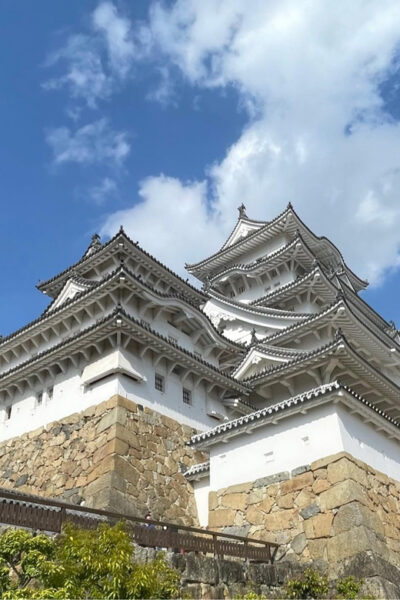
Best of Himeji Castle: 3hr Tour with Licensed Guide
Read our review →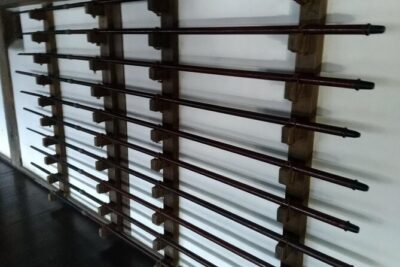
2.5 Hour Private History and Culture Tour in Himeji Castle
Read our review →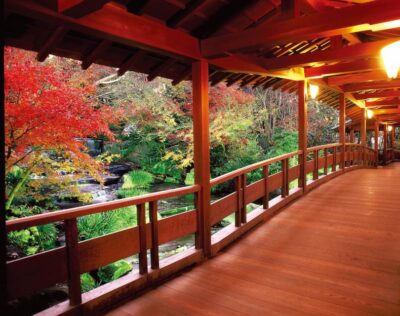
Half-day Himeji Castle Town Bike Tour with Lunch
Read our review →
Himeji Full-Day Private Tour with Government-Licensed Guide
Read our review →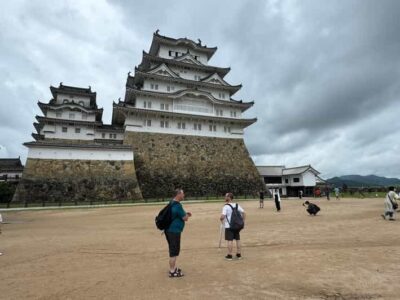
Himeji Castle & Kokoen Garden 3.5-Hour Guided Tour
Read our review →Browse the lists this tour appears in