
REVIEW · NAGANO TOURS
Wild Japanese Flying Squirrel Watching Tour in Nagano
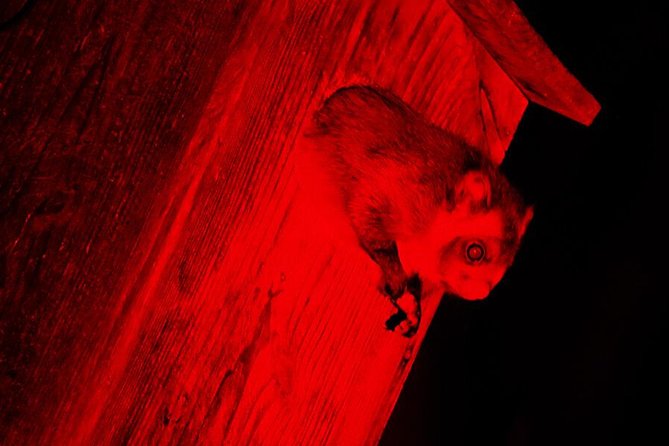
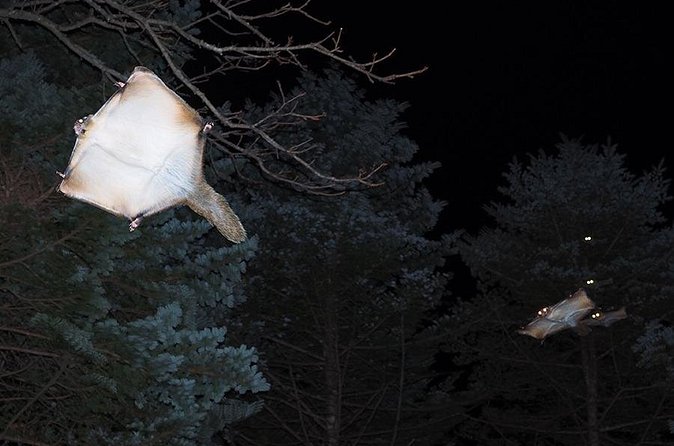
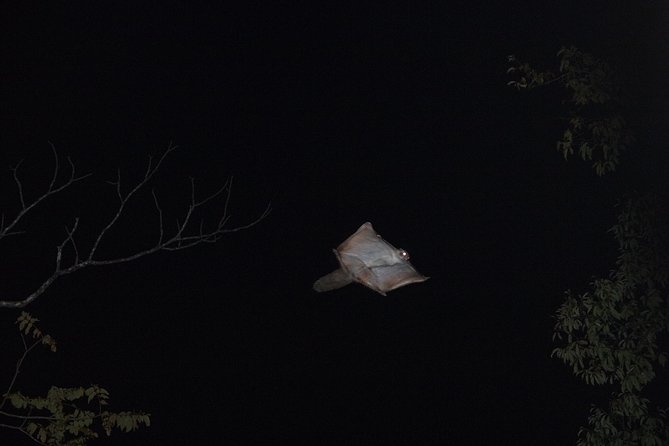
The most memorable part of this Karuizawa outing is the chance to see a Japanese giant flying squirrel gliding through its natural home, not sitting behind glass or performing for a crowd. Your guide first explains its diet, size, and gliding range, then leads you into the quiet Hoshino area at the time set for observation.
I like two things right away: binoculars are included, so you do not need special gear, and the guide knows the places where these animals are most likely to appear. The main catch is simple but important: wildlife does not follow a timetable. Poor weather, or no squirrel sightings, can lead to cancellation or an experience with less action than you hoped for.
In This Review
- Key points at a glance
- Why this Karuizawa tour feels different
- Starting at Picchio at 4pm
- One hour in the Karuizawa Hoshino area
- What you may learn about the Japanese giant flying squirrel
- Is the $28.69 price good value?
- Fitness, clothing, and practical planning
- Language support at the visitor center
- Cancellation rules and the wildlife gamble
- Who should book this experience?
- Should you book the flying squirrel tour?
- FAQ
- Where does the flying squirrel tour begin?
- What time does the tour start?
- How long does the activity last?
- Are binoculars included?
- Is the tour available in English?
- What happens if the weather is poor or no flying squirrels appear?
Key points at a glance
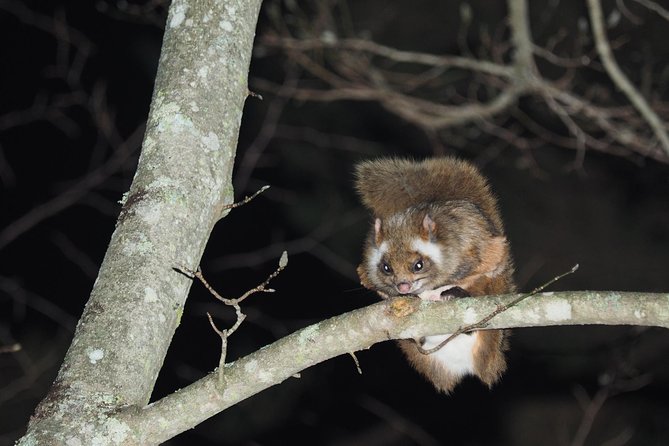
- A real wild-animal encounter: You watch Japanese giant flying squirrels in their natural habitat rather than in an enclosure.
- A useful 20-minute introduction: Picchio guides explain the squirrel’s ecology, including diet, size, and flying distance.
- The main viewing period lasts about one hour: The walk takes place in the Karuizawa Hoshino area after the indoor talk.
- Binoculars are provided: This is especially helpful when an animal glides between trees or stays high above the ground.
- A small time commitment: The full activity lasts about 90 minutes and begins at 4pm.
- Weather and wildlife matter: The tour may be canceled because of poor weather or the absence of flying squirrels.
Why this Karuizawa tour feels different
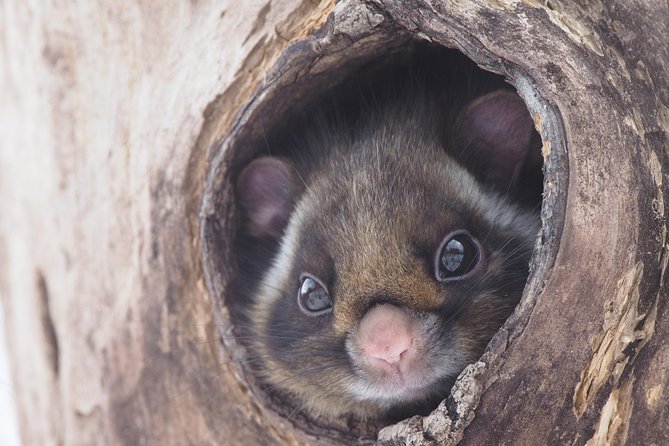
Many wildlife activities depend on luck, but this one adds a useful layer of preparation. You do not simply walk into the woods and hope for movement in the trees. At Picchio, a professional nature guide explains how the Japanese giant flying squirrel lives and what to watch for before you head outside.
That short talk changes the way you use the next hour. You know something about the animal’s food, body size, and gliding distance. You also have a better sense of why the guide chooses certain observation areas. I like this approach because it turns a possible sighting into a small lesson in forest ecology.
The Japanese giant flying squirrel is native to Japan, and the tour focuses on seeing it in the wild. That matters. You may not get a perfect, close-up view, but the experience has more honesty than a guaranteed animal encounter. The reward comes from standing quietly and catching the moment when the forest suddenly breaks into motion.
The experience has a strong reputation, with a 4.9 rating from 79 reviews and 97 percent recommending it. Those numbers suggest that the guide-led format and the chance to see the animals in their own habitat work well for most people. Still, a high rating cannot change the basic rule of wildlife watching: sometimes nature gives you a thrilling sight, and sometimes it gives you a lesson in patience.
Other Nagano days people book alongside this one:
- 1-Day Snow Monkeys, Zenko-ji Temple & Sake in Nagano
★ 5.0 · 1,020 reviews - Nagano: Snow Monkeys, Zenkoji Temple & Sake Day Trip
★ 4.9 · 833 reviews - From Tokyo: Snow Monkey 1 Day Tour with Beef Sukiyaki Lunch
★ 4.6 · 295 reviews
Starting at Picchio at 4pm
You meet at the Karuizawa Wild Bird Sanctuary, at Picchio Nature Tours and Conservation in the Hoshino area. The listed address is Karuizawa, Nagakura 2148, Kitasaku District, Nagano 389-0111. The meeting point is near public transportation, which makes it easier to reach without a car.
The scheduled start is 4pm. That timing is convenient if you have spent the earlier part of the day exploring Karuizawa, but you should still allow enough time to reach the sanctuary without rushing. Confirmation arrives within 48 hours of booking, subject to availability, so do not treat a reservation request as final until it has been confirmed.
The indoor introduction lasts about 20 minutes and has no separate admission charge. Your guide covers the squirrel’s diet, size, gliding distance, habitat, and behavior. Some guides speak limited English, but the lecture slides include English subtitles. That makes the information accessible, although the spoken portion may be easier to follow for Japanese speakers.
I would pay close attention during this first section. The talk is not filler before the real activity. It gives you the basic facts needed to understand what you see outdoors. If the guide explains how far the squirrel can glide or what part of its lifestyle affects its movement, you can better appreciate the skill and distance involved when one crosses the trees.
One hour in the Karuizawa Hoshino area
After the introduction, the group goes outside for about one hour of observation. This is the heart of the experience. The guide takes you to areas suited to spotting the squirrels and helps direct attention toward the forest.
The supplied binoculars are a practical advantage. A flying squirrel may be difficult to see with the naked eye, especially if it remains among branches or moves across a wide gap. You will not need to pack your own pair, and the equipment helps you spend less time guessing where to look.
The mood is quiet. The description of the activity points to silence interrupted by excited gasps, which tells you something important about the format. This is not a loud, fast-moving sightseeing stop. You are expected to pause, watch, and let your eyes adjust to the forest.
That quiet may be the most appealing part for some people and the hardest part for others. If you want constant activity, this tour can feel slow during periods without a sighting. If you enjoy natural sounds and the tension of waiting for movement, the calm is part of the pleasure.
The group can include up to 30 people. That is not a private wildlife walk, and the size may affect how quickly everyone can move or reposition. On the other hand, the group limit keeps the activity from becoming unlimited in scale. You should expect an organized shared outing rather than a personal guide devoted only to you.
What you may learn about the Japanese giant flying squirrel

The tour centers on the Japanese giant flying squirrel, an animal native to Japan. The guide discusses where it lives, what it eats, and how it moves through the trees. The lesson also covers its size and flying distance, giving you a clearer picture of the animal before you begin watching.
The word flying is slightly misleading in the everyday sense. The tour presents the animal through its gliding patterns, so the sight you hope to catch is a controlled movement from one point to another. I would listen for the explanation of how its lifestyle connects to the forest around it, since that context helps you see the trees as habitat rather than just scenery.
This educational element also makes the tour suitable for families and curious adults who want more than a photograph. You may not remember every measurement from the talk, but you will leave with a better idea of what the guides are watching for and why the animal is difficult to spot.
The experience provider is the Picchio Wildlife Research Center, which gives the outing a conservation and nature-study focus. The activity is not presented as a simple sightseeing ride. It links observation with information about the animal and its home.
Same city, a completely different kind of day:
- Tokyo: Snow Monkey & Nagano Customiseable Private Day Tour
★ 4.8 · 138 reviews - Matsumoto Castle Tour & Samurai Experience
★ 4.9 · 128 reviews - 1-Day Tour from Nagano and Matsumoto Kamikochi & Matsumoto Castle
★ 5.0 · 105 reviews - 1-Day Snow Monkeys & Snow Fun in Shiga Kogen Tour
★ 5.0 · 94 reviews
Is the $28.69 price good value?
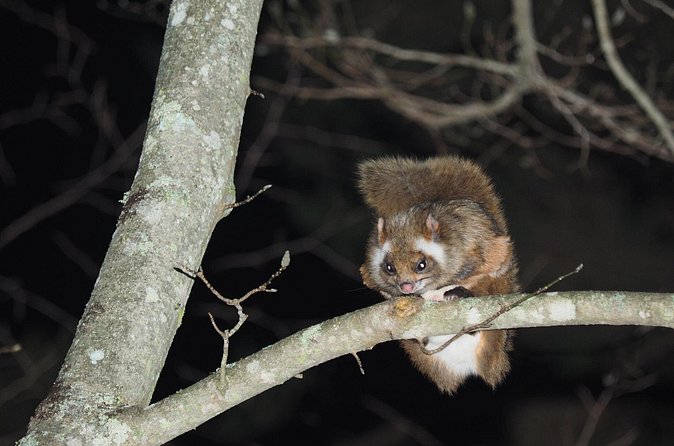
At $28.69 per person, this is a fairly modest price for a 90-minute guided nature activity in Karuizawa. You receive the indoor ecology talk, guidance during the outdoor observation period, and use of binoculars. There are no extra admission charges listed for either stop.
The value depends on what you want from the evening. If you need a guaranteed close look at a Japanese giant flying squirrel, no wildlife tour can promise that here. If you value expert direction, a short natural-history lesson, and a chance to watch a native animal outdoors, the price is easier to justify.
I also like that the activity does not occupy half a day. You can fit it into a broader Karuizawa visit, perhaps before dinner or after other Hoshino-area plans. The 4pm start gives the tour a clear place in your schedule without taking over the entire day.
The price does not include protection against nature’s uncertainty. If the outing is canceled because of weather or because flying squirrels are absent, the operator will offer another date or a full refund. The provider does not cover your travel costs or other expenses caused by a cancellation, so avoid arranging costly nonrefundable transport around this one activity.
Fitness, clothing, and practical planning

You need a moderate level of physical fitness. The outdoor section involves walking in the Hoshino area, and the activity is not designed as a seated viewing presentation. The supplied information does not give a detailed route length or terrain description, so you should be prepared for ordinary outdoor walking and for standing quietly during observation.
Wear clothing that suits the weather and allows you to remain comfortable outdoors for about an hour. The tour requires good weather, and conditions can affect both safety and the chance of seeing the animals. Check the forecast before setting out, but remember that the final decision can still depend on conditions at the site.
The mobile ticket is convenient. Keep your confirmation available on your phone and arrive at the Karuizawa Wild Bird Sanctuary for the 4pm meeting time. The activity ends back at the same meeting point, so you do not need to arrange a separate pickup location.
The group size can reach 30 people. If you prefer very quiet wildlife watching, that is the main logistical point to consider. The guide must help a shared group, and everyone may not have the same view at the same moment. The binoculars and guide’s choice of viewing areas help, but they do not turn the outing into a private safari.
Language support at the visitor center
English support is available through lecture slides with English subtitles. Some guides do not speak much English, so you should not expect a long, fully conversational talk in English at every departure.
That limitation is worth knowing before you book. The slides cover the central information, and the activity is based heavily on looking and listening outdoors. Still, if detailed spoken interpretation is essential to your enjoyment, you may want to confirm the language support available for your specific departure.
The guide’s role remains valuable even when language is not perfect. The guide knows the squirrel’s habits and likely gliding areas, and that local knowledge is the reason to join rather than search on your own. The combination of visual slides, binoculars, and guided positioning gives you several ways to follow the activity.
Cancellation rules and the wildlife gamble
You can cancel for a full refund if you do so at least 24 hours before the 4pm start time. Changes or cancellations made less than 24 hours before the start are not accepted for a refund. The cut-off follows local time.
The tour requires good weather. If poor conditions cause a cancellation, you receive the choice of another date or a full refund. The same practical caution applies if the flying squirrels are absent. You should not assume that a refund will cover other plans, train tickets, hotel costs, or transport expenses.
This policy is reasonable for a wildlife activity, but it makes flexible planning important. I would schedule it on a day when you can adjust plans easily. Avoid placing a must-do dinner reservation or a costly connection immediately afterward if a weather change would cause trouble.
The absence of a sighting is the central risk, not a minor footnote. The tour gives you a better chance through timing, local guidance, and binoculars, but it cannot control the animals. Go because you want a well-organized attempt to see them, not because you expect a guaranteed performance.
Who should book this experience?
I would recommend it to anyone interested in Japanese wildlife, especially if you are already spending time in Karuizawa. It suits families, couples, solo visitors, and adults who enjoy a short nature activity with a clear educational side.
It is also a good choice for people who want something beyond temples, shopping, or standard city sightseeing. The tour gives you a quiet hour in the forest and introduces an animal that many visitors would not know how to find without help.
You may want to skip it if you dislike waiting, need a guaranteed result, or have difficulty with moderate outdoor walking. The group can be as large as 30 people, and the English presentation may rely partly on subtitles rather than extended conversation.
The activity is best for a flexible schedule. If weather or animal behavior changes the plan, you will be more comfortable if you have another way to enjoy the evening. That is not a flaw in the tour. It is simply the cost of watching wild animals instead of visiting a controlled exhibit.
Should you book the flying squirrel tour?
Book it if you want a reasonably priced, short nature experience and you accept that the squirrel may remain out of sight. The strongest features are the guide’s knowledge of likely viewing areas, the 20-minute ecology talk, the included binoculars, and the chance to see a native Japanese animal moving freely through its habitat.
I would make this a priority for a Karuizawa visit if wildlife matters to you. Keep your expectations practical, arrive ready for quiet outdoor observation, and leave room in your schedule for a possible weather change. For $28.69, it offers a focused introduction to the Japanese giant flying squirrel without demanding a full day.
FAQ
Where does the flying squirrel tour begin?
It begins at the Karuizawa Wild Bird Sanctuary, at Picchio in the Hoshino area, Karuizawa, Nagano 389-0111. The activity ends back at the same meeting point.
What time does the tour start?
The scheduled start time is 4pm.
How long does the activity last?
The full experience lasts about 1 hour and 30 minutes. The indoor introduction takes about 20 minutes, followed by roughly one hour of outdoor observation.
Are binoculars included?
Yes. Binoculars are provided for use during the observation period.
Is the tour available in English?
Some guides speak limited English, but the lecture slides include English subtitles. The supplied information does not guarantee that every spoken part will be delivered fully in English.
What happens if the weather is poor or no flying squirrels appear?
The tour may be canceled because of poor weather or the absence of flying squirrels. In that case, you will be offered another date or a full refund. The provider does not refund travel or other related costs that may result from a cancellation.
Just added around Nagano
- Wasabi Farm Walking Tour & Lunch★ 4.5 · 20 reviews
- 1-Day Tateyama-Kurobe Tour: Walking on the ‘Roof of Japan’★ 5.0 · 20 reviews
- Snow Monkeys, Hokusai & Sake: A Perfect Day in Nagano★ 5.0 · 19 reviews
- Snow Monkey Park & Miso Production Day Tour from Nagano★ 5.0 · 18 reviews
- Ski or Snowboard Lesson in Shiga Kogen (4Hours)★ 5.0 · 34 reviews
- Snow Monkey Park, Soba Lunch and Shibu Onsen Tour★ 5.0 · 12 reviews
- Nagano Private Two Day Tour★ 5.0 · 29 reviews
- Nagano Spring: 1-Day Cherry Blossoms & Snow Monkeys Guided Tour★ 5.0 · 31 reviews
Nagano Tours, compared.

1-Day Snow Monkeys, Zenko-ji Temple & Sake in Nagano
Read our review →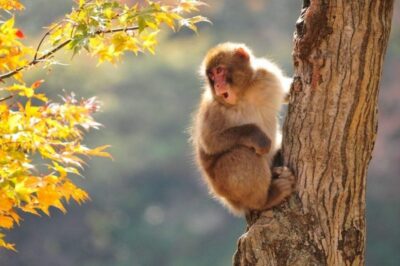


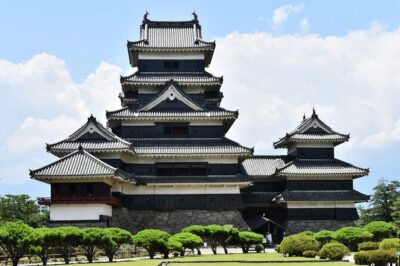
1-Day Tour from Nagano and Matsumoto Kamikochi & Matsumoto Castle
Read our review →
1-Day Snow Monkeys & Snow Fun in Shiga Kogen Tour
Read our review →
Full-Day Tour: Matsumoto Castle & Kamikochi Alpine Valley
Read our review →
(Spring Only) 1-Day Snow Walls of Tateyama-Kurobe Alpine Route Tour
Read our review →Browse the lists this tour appears in