REVIEW · TOKYO TOURS
Tokyo: Asakusa Sightseeing Tour by Rickshaw
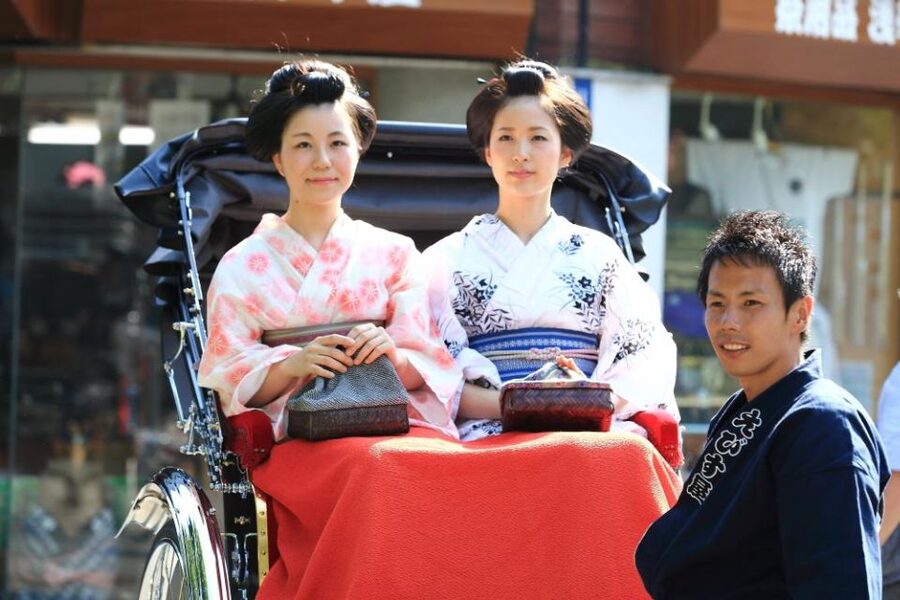
A rickshaw gives you a fine first look at Asakusa: you sit high above the street while a local guide pulls you past temples, shrines, old shops, gardens, and the Sumida River. It is part sightseeing ride, part neighborhood orientation, and part photo session.
I like the private format, since you can ask questions and shape the route around your interests. I also like the guides’ personal touch. Masa, Kazu, Shima, Taku, and others are praised for mixing local facts with jokes, family-friendly banter, and good phone photos.
The main drawback is simple: you are paying for a short ride rather than a full day of touring. The shortest option lasts only 30 minutes, and English explanations may vary by guide. If you want detailed historical discussion at every stop, choose a longer ride and tell your guide what interests you.
In This Review
- Key points to know before booking
- Starting beside Asakusa Station
- Senso-ji, Asakusa Shrine, and local temple customs
- Sumida Park and the river side of Asakusa
- Hanakawado and the everyday side of Asakusa
- Tanuki-doori, Rokku, and Denpoin Street
- Choosing between 30, 70, 90, and 190 minutes
- What the guides add to the ride
- Comfort, weather, and family details
- Is $35 a fair price?
- Who should book this Asakusa ride?
- My call: book it for the right length
- FAQ
- Where does the rickshaw tour meet?
- Are there multiple Asakusa Stations?
- How long does the tour last?
- How many people can ride in one rickshaw?
- Can young children ride for free?
- Does a five-year-old need to pay for a separate seat?
- Is the rickshaw suitable for wheelchair and stroller users?
- What languages are available?
- Are food and drinks included?
- Can I cancel or pay later?
Key points to know before booking
- You can choose from 30 to 190 minutes, making this workable for a quick introduction or a longer Asakusa outing.
- Each rickshaw is private, with room for up to two adults and a maximum width of 74 centimeters.
- The route combines famous sights with quieter corners, including Asakusa Shrine, Bentendo Hall, Sumida Park, Rokku, and Denpoin Street.
- Guides take photos for you, often stopping at temples, shrines, and scenic streets.
- The ride can be customized, so mention your interest in food, temples, anime, gardens, shopping, or local customs.
- Spring is especially attractive, when cherry trees in Sumida Park are in bloom, though heated seats and blankets help in colder weather.
Starting beside Asakusa Station
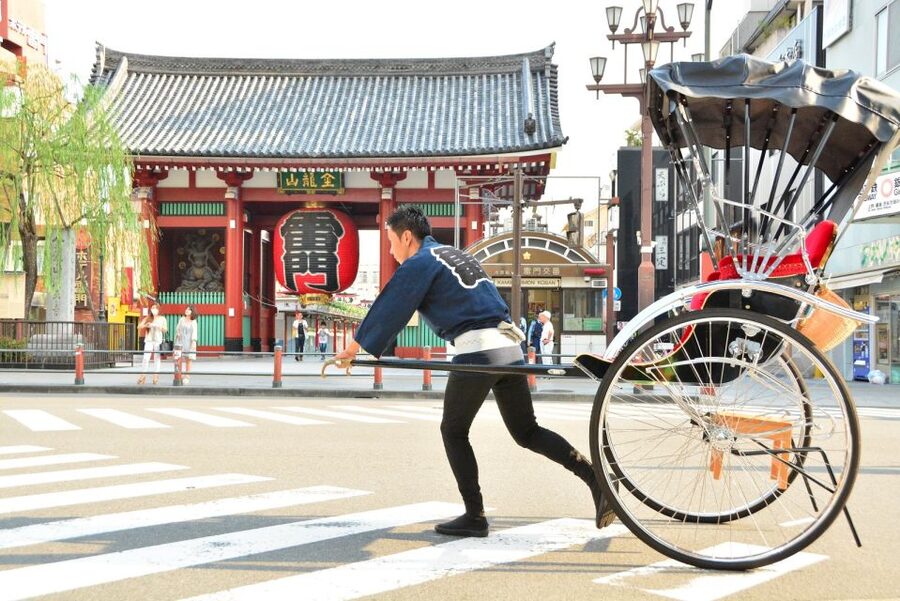
The meeting point is the rickshaw stand just outside Exit 1 of Asakusa Station on the Tokyo Metro Ginza Line. This detail matters because Tokyo has more than one Asakusa Station, and the stations are not interchangeable. You still need to walk a few meters from the exit to reach the stand.
I would allow extra time for this start. Asakusa Station has many exits, and they can lead you to very different streets. One family arrived at the wrong exit and was helped by the staff, but it is better not to depend on that. Follow the directions for Exit 1 on the Ginza Line, not a station with the same name on another subway line.
Once seated, you get an immediate change of pace. Asakusa can feel crowded at street level, especially around Senso-ji, but the rickshaw lets you see over the flow of people while your guide points out details you might otherwise miss.
The ride is private, though the rickshaw itself is compact. Two adults are allowed per vehicle. At 74 centimeters wide, it may feel close for some couples, so booking separate rickshaws can be more comfortable if you prefer more room.
Other Tokyo days people book alongside this one:
- Mt Fuji and Hakone 1-Day Bus Tour Return by Bullet Train
★ 5.0 · 26,383 reviews - 1-Day Tokyo Bus Tour
★ 5.0 · 14,250 reviews - Tokyo: TOKYO SKYTREE® Admission ticket
★ 4.5 · 11,192 reviews
Senso-ji, Asakusa Shrine, and local temple customs
The route takes you near Tokyo’s oldest temple and the neighboring Asakusa Shrine. These two religious sites sit close together but represent different Japanese traditions. Your guide can help you understand what you are looking at instead of reducing the stop to a quick photograph.
At a shrine or temple, you may learn about basic customs such as washing your hands and mouth, using the water ladle correctly, and approaching the worship area. Guides have also explained the purpose of incense and why people draw the smoke toward their bodies. These small instructions are useful because Japanese religious sites are places of active worship, not just scenic backdrops.
Bentendo Hall is another notable stop along the route. It offers a quieter religious setting than the main approach to Senso-ji, and the surrounding water and trees give you a different view of Asakusa. I would especially value this part of the tour if you have only seen the large temple gate and crowded shopping street.
The amount of explanation depends on your guide and the time you book. A 30-minute trip can introduce the main points, but it will not allow much time for extended temple discussion. If customs and religious history are important to you, the 70-minute, 90-minute, or two-hour choices make more sense.
Sumida Park and the river side of Asakusa
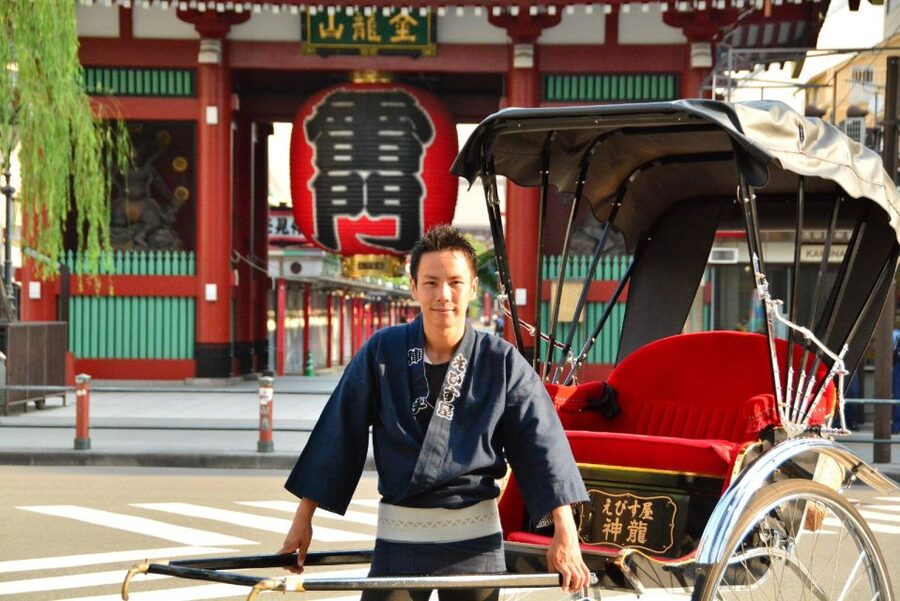
Sumida Park brings a welcome change from the tight streets around the temple. You ride among gardens and trees, with the Sumida River adding open views and a little breathing space. In spring, thousands of cherry trees make this one of the most attractive parts of the route.
Season matters here. Cherry blossom timing is never guaranteed, but early blooms have appeared during winter and early spring rides. In summer, the moving air is pleasant as the rickshaw travels along, though one ride took place in very hot and humid conditions. Autumn should offer comfortable temperatures, but the supplied information does not promise particular foliage conditions.
The river and park also give your guide good places to pause for photographs. You do not need to manage a selfie stick, which is not allowed on this activity. Instead, guides commonly take photos with your own phone. Masa, Koto, Matcha, and Yuki are all praised for creating memorable family pictures, and this is a real benefit when nobody in your group has to be left out of the frame.
Hanakawado and the everyday side of Asakusa
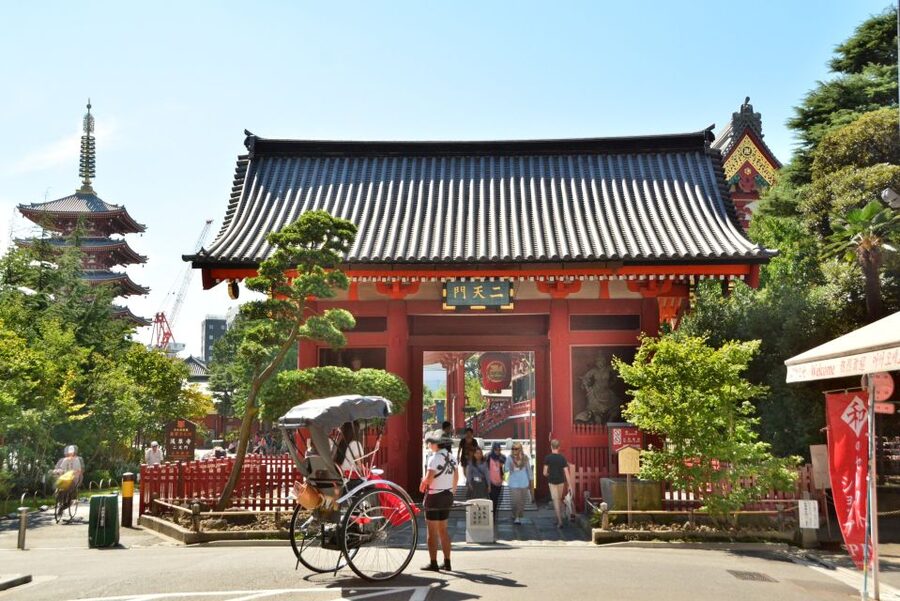
The ride continues toward Hanakawado, known for shoe shopping and ordinary neighborhood life. This section helps balance the grand temple sights. You see Asakusa as a lived-in district, not only as a major sightseeing stop.
A rickshaw is useful here because you can cover several small areas without tiring your feet. You may also ask for ideas about food, shops, and things to try later in the day. Guides have recommended places to eat and local activities along the way, which makes the tour useful as an opening orientation for your time in Tokyo.
The guide’s personality shapes this portion of the ride. Kazu has been praised for keeping the trip entertaining while explaining the area. Ryu Buchi even sang Justin Bieber songs with a child, while another guide used anime references to connect with a teenager. This is not a formal lecture. It is a conversation that can be adjusted to your group.
That flexibility works well for families. Children under six can ride free if they sit on an adult’s lap, with one child per adult. A child aged five who needs a separate seat must pay the adult fare. Adult pricing applies from age six.
Same city, a completely different kind of day:
- Tokyo: teamLab Planets TOKYO Digital Art Museum Entry Ticket
★ 4.6 · 9,779 reviews - Mt Fuji & Hakone Cruise, Drum Show Bullet Train 1 Day from Tokyo
★ 4.0 · 7,413 reviews - Tokyo: Shinjuku Food Tour (13 Dishes at 4 Local Eateries)
★ 5.0 · 6,603 reviews - Tokyo Mt Fuji 5th St & Hakone Cruise Bus Tour w/Bullet Train
★ 4.4 · 5,024 reviews
Tanuki-doori, Rokku, and Denpoin Street
Tanuki-doori adds a quirky note to the outing. From there, the route can include the historic Rokku Ward, known for adult theaters and old entertainment culture. This part may not suit every family, so tell your guide if you prefer temples, gardens, shopping streets, or other areas instead.
Rokku also helps explain why Asakusa has more than one identity. The district is religious, commercial, theatrical, nostalgic, and modern at the same time. A good guide can connect those layers without asking you to spend hours in a museum.
Hanayashiki, Japan’s oldest amusement park, makes an easy photo subject. You may not have time to enter, but the rickshaw provides a quick way to see its historic presence in the neighborhood. It is a fun contrast to the solemn temple grounds nearby.
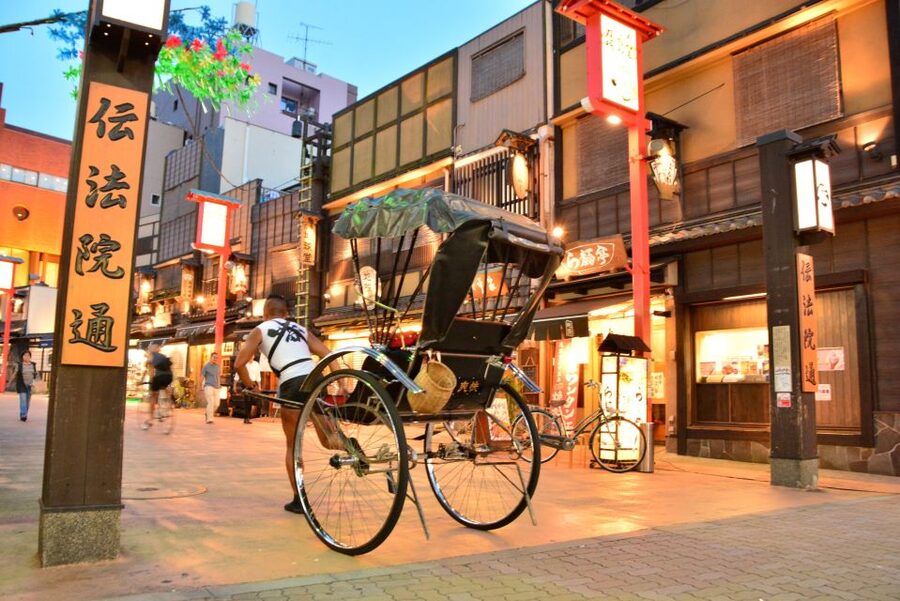
Denpoin Street is one of the most appealing parts of the longer route. The street has retained much of its older appearance, with little changing since World War II. You get a sense of prewar and postwar Tokyo through the shopfronts and street layout, though the exact amount of time here depends on your selected duration and traffic.
The longer the ride, the more these side streets matter. On a 30-minute outing, you should expect a taste of Asakusa rather than a broad circuit. On a two-hour trip, you can ask to spend more time away from the main temple approach, as one pair did when they visited a quiet smaller Buddhist shrine.
Choosing between 30, 70, 90, and 190 minutes
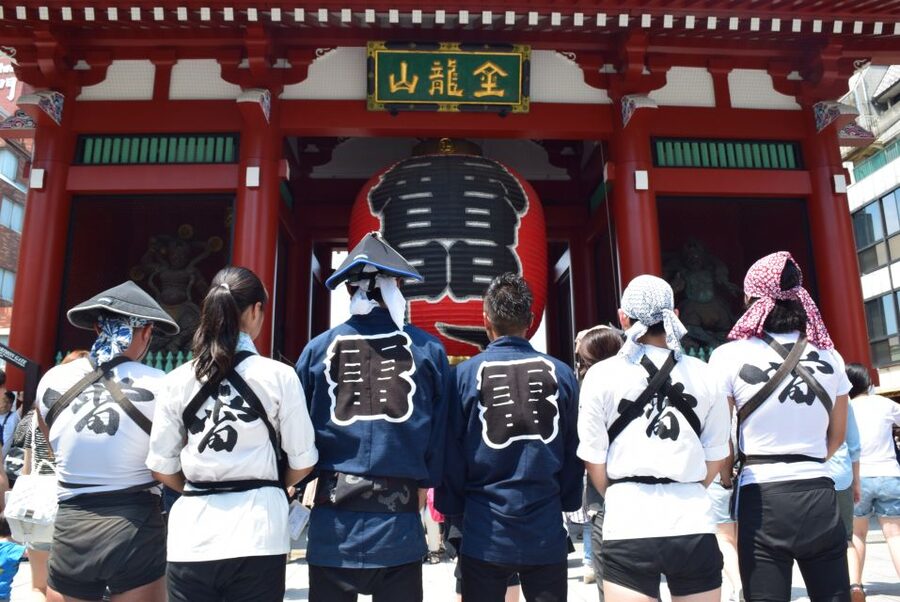
The 30-minute option is best if you want a quick introduction, a few photos, and a novel way to begin your day. One rider booked only half an hour and still received local information and plenty of conversation. It is also a sensible choice if you have a long layover or a packed Tokyo schedule.
The 70-minute option gives you a more useful balance. You can see the main religious sights, move into older streets, and ask questions without feeling rushed. This was long enough for one rider to enjoy steady explanations and humor throughout the route.
A 90-minute ride gives you more room for the park, smaller religious sites, photo stops, and personal requests. One family found that this length passed quickly because the guide combined stories, jokes, and several stops. That is a sign that the ride is active and social rather than a passive vehicle transfer.
The two-hour option suits you if Asakusa is a main focus of your day. You may reach quieter areas and have more time to discuss customs, architecture, local entertainment, and daily life. It can also serve as a practical neighborhood survey before you explore on foot.
The longest choice is listed as 190 minutes, close to three hours. This is the best pick if you want the broadest route and more control over the sightseeing. The three-hour option also includes a choice of memorial gift, either a special Hello Kitty doll or an original T-shirt.
What the guides add to the ride
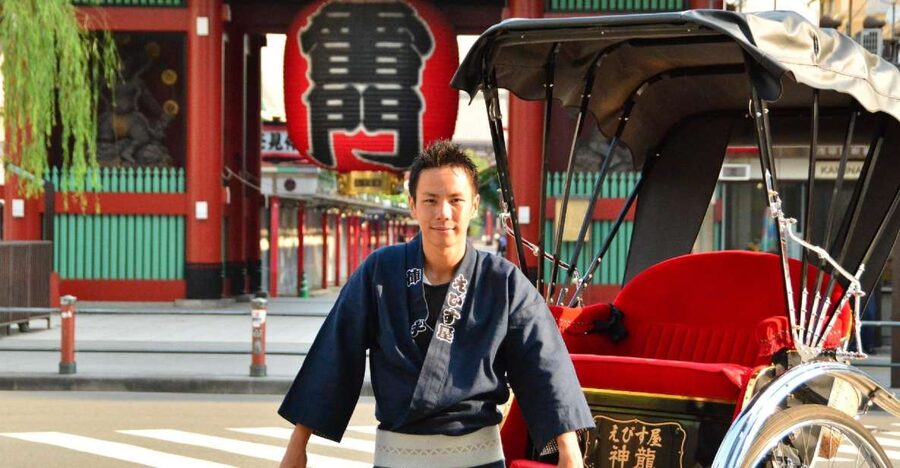
The guide is the heart of this experience. The strongest part is not simply the vehicle. It is having someone who can steer through busy streets, explain what you are seeing, take pictures, and adjust the mood for your group.
Guides such as Shima have been praised for precise navigation and clear information about Asakusa. Taku, Masa, Kazu, Yusuke, Nene, and Matcha are among the guides singled out for humor, warmth, or strong photo skills. The names matter less than the pattern: the company uses local drivers who treat the ride as both transport and personal guiding.
English is offered, along with Japanese. Most of the English feedback is highly favorable, but at least one rider wanted stronger English and more explanation of Asakusa’s past. I would manage expectations accordingly. You are booking a lively local introduction, not a specialist academic tour.
Tell your guide what you want at the start. Ask for shrine customs if you care about culture. Request anime-related sights if you are traveling with a fan. Mention gardens, shopping, photographs, or quieter streets. The activity can be customized, and a private group makes that request practical.
Comfort, weather, and family details
The rickshaw ride is open to the weather, so clothing matters. In cold conditions, blankets and heated seats have been provided. One ride continued through rain and snow with those comforts in place, but you should still dress sensibly and check the forecast.
Summer brings a different concern. The breeze can feel refreshing while the vehicle moves, yet Tokyo heat and humidity can still be tiring. Your guide may be working hard, especially on hills, so a shorter option can be wise for very hot days.
The rickshaw is wheelchair and stroller friendly. It is not recommended during the first 16 weeks of pregnancy, and the activity is listed as unsuitable for pregnant women. Anyone concerned about comfort should ask the operator before booking.
Children five and under ride free on an adult’s lap, but space remains limited. With two adults and two small children, each child must sit on an adult’s lap. For older children or anyone who wants a separate seat, plan on the adult fare.
Is $35 a fair price?
The starting price of $35 per person is reasonable for a private guided ride in one of Tokyo’s best-known districts, especially if you share the vehicle with another adult. You are paying for the driver, local commentary, route planning, and photographs, not just a short pull through the streets.
Value depends heavily on duration. At 30 minutes, the price reflects a special experience and quick orientation rather than a large amount of sightseeing time. At 70 minutes or longer, the ride becomes easier to justify because you cover religious sites, neighborhood streets, gardens, and river scenery in one outing.
I would compare it with the cost of booking several separate activities. The rickshaw will not replace a full temple visit, a food tour, or a museum, but it can help you understand where to spend the rest of your day. The private format also gives it more value for couples and families than a large group bus tour.
Food and drinks are not included. Bring water, particularly in summer, and plan a snack stop afterward if you choose a longer ride.
Free cancellation is available up to 24 hours before the start time, and you can reserve now and pay later. Those terms are useful if your Tokyo schedule is still changing.
Who should book this Asakusa ride?
I would recommend it to first-time visitors who want an easy introduction to Tokyo’s older side. It is also a strong choice for families, couples, solo visitors, and anyone who finds long walking days difficult.
Solo riders can book too. You will have the guide’s full attention, though the rickshaw’s compact seat may feel more comfortable for one person than for two adults with luggage or bulky clothing.
This also works well early in your Tokyo visit. Guides can point out places to eat, local streets to revisit, and sights that you may otherwise pass without noticing. You can then return on foot with a better sense of direction.
You might skip it if you dislike open-air rides, want a detailed specialist lecture, or prefer to explore every temple interior at your own pace. The route moves through public streets, and some stops are photo or explanation points rather than long visits.
My call: book it for the right length
I would book this tour, but I would not automatically choose the shortest option. The 30-minute ride is a good sampler, while 70 to 90 minutes gives you a more satisfying look at Asakusa’s temples, side streets, park, and river.
For a family, I would choose at least 70 minutes and tell the guide about the children’s interests. For serious interest in religion, old Tokyo, or local customs, choose two hours or more. Spring is the most appealing season for Sumida Park, while winter rides can still be comfortable with the supplied blankets and heated seats.
This is not a cheap way to get from one point to another. It is a compact, personal introduction to Asakusa, with a strong chance of leaving you with useful local advice and photographs you could not easily take yourself. If that sounds like a good use of your Tokyo time, book it.
FAQ
Where does the rickshaw tour meet?
The meeting point is the rickshaw stand just outside Exit 1 of Asakusa Station on the Tokyo Metro Ginza Line. You need to walk a few meters from the exit to the stand.
Are there multiple Asakusa Stations?
Yes. Tokyo has two stations with the name Asakusa on different subway lines. Make sure you go to Exit 1 of the Asakusa Station served by the Tokyo Metro Ginza Line.
How long does the tour last?
Available durations range from 30 to 190 minutes. Check the booking calendar for the starting times and options available on your date.
How many people can ride in one rickshaw?
A maximum of two adults can ride in one rickshaw. Each vehicle is 74 centimeters wide, so some people may prefer to book individual rickshaws for extra comfort.
Can young children ride for free?
Children aged five and under can ride free if they sit on an adult’s lap. One child can sit with each adult, allowing a maximum of two adults and two children per rickshaw.
Does a five-year-old need to pay for a separate seat?
Yes. If a five-year-old needs their own seat instead of sitting on an adult’s lap, they must book as an adult and pay the full fare.
Is the rickshaw suitable for wheelchair and stroller users?
The activity is wheelchair and stroller friendly. It is not recommended for people in their first 16 weeks of pregnancy, and pregnant women are listed as unsuitable for the activity.
What languages are available?
Live guiding is available in English and Japanese. The tour is operated as a private group, and the route can be customized around your interests.
Are food and drinks included?
No. Snacks and drinks are not included, so you should bring water or plan to buy refreshments separately.
Can I cancel or pay later?
You can cancel up to 24 hours in advance for a full refund. You can also reserve your place and pay later, which keeps your plans flexible.
Just added around Tokyo
- Tokyo: Customizable Private Guided Walking Tour★ 4.5 · 129 reviews
- Private Harajuku Omotesando Architecture Tour★ 4.9 · 18 reviews
- Tokyo: Guided Helicopter Ride★ 4.9 · 24 reviews
- Tokyo: Guided Walking Tour of Tsukiji Market with Lunch★ 4.4 · 24 reviews
- Tokyo: Private Personalized Local Food Tour★ 4.5 · 101 reviews
- Tokyo: Gotokuji Cat Temple, Shinjuku Cat Cafe & 3D Cat Tour★ 4.9 · 38 reviews
- Tokyo GINZA: KONPARU Japanese Cabaret Show with Drink★ 4.8 · 38 reviews
- Tokyo: Guided Walking Tour of Tsukiji Market with Breakfast★ 4.4 · 134 reviews
Tokyo Tours, compared.
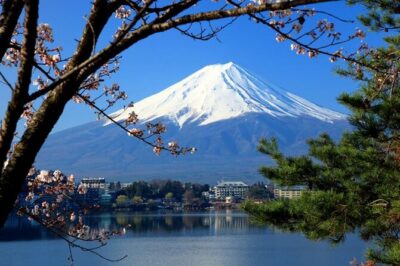
Mt Fuji and Hakone 1-Day Bus Tour Return by Bullet Train
Read our review →

teamLab Planets TOKYO Digital Art Museum Entry Ticket
Read our review →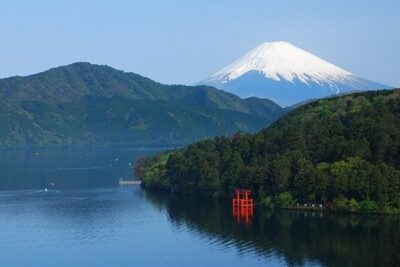
Mt Fuji & Hakone Cruise, Drum Show Bullet Train 1 Day from Tokyo
Read our review →
Shinjuku Food Tour (13 Dishes at 4 Local Eateries)
Read our review →
Tokyo Mt Fuji 5th St & Hakone Cruise Bus Tour w/Bullet Train
Read our review →