
REVIEW · MOUNT FUJI DAY TRIPS
Mt Fuji Hakone/Enoshima Tour:Optional Ropeway/Lake Ashi Boat
Mt. Fuji, a volcanic lake, a pirate ship, steaming vents, and a shrine island make this busy full-day outing a smart way to cover several major sights south of Tokyo. At $53, it packs a lot into 10 to 11 hours, though the long road time means you should expect a brisk schedule rather than a slow, local-style tour.
I like the mix of nature and old Japan, from Lake Ashi and Owakudani to Enoshima’s shrine paths and food stalls. I also like that the tour includes transport, a multilingual guide, parking, fuel, and taxes. The catch is simple: Mt. Fuji may hide behind clouds, and heavy traffic or a crowded meeting point can cut into your time at the stops.
In This Review
- Key things to know before you book
- A big day out from Tokyo
- Getting to the first stop
- Hakone Shrine and the torii on Lake Ashi
- Sailing Lake Ashi on the Hakone pirate ship
- The Hakone Ropeway and volcanic views
- Owakudani and the famous black eggs
- Two hours on Enoshima Island
- What about Kamakura and Komachi Street?
- Guide quality and group communication
- Is $53 good value?
- Weather, traffic, and timing
- Who should book this tour?
- Final call: book it for range, not relaxation
- FAQ
- How long does the Mt. Fuji Hakone and Enoshima tour last?
- Is Mt. Fuji guaranteed to be visible?
- What languages are available?
- Are the boat cruise and Ropeway included?
- Is food included?
- What should I bring?
Key things to know before you book
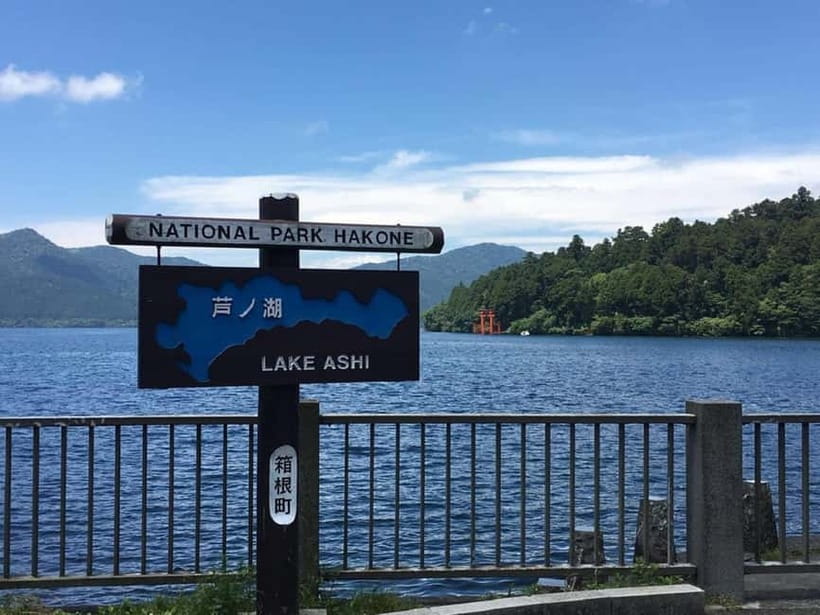
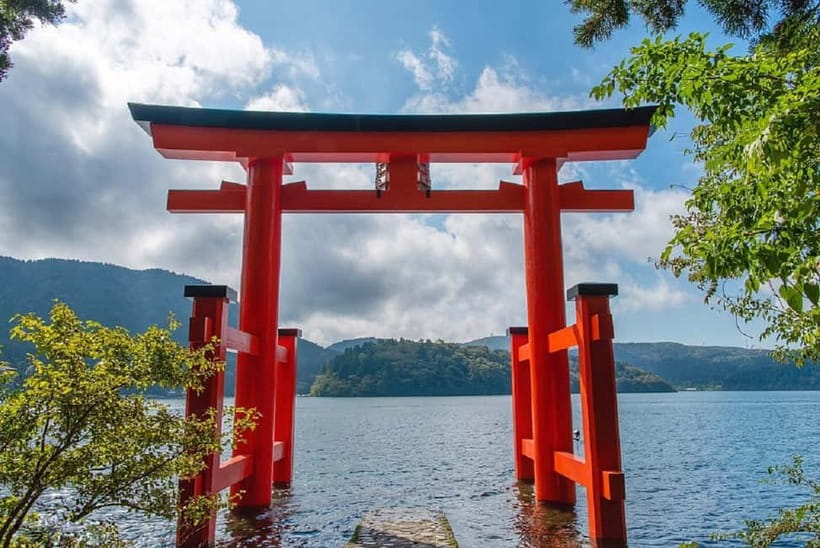
- Lake Ashi combines two classic Hakone views: the red torii gate of Hakone Shrine and Mt. Fuji across the water.
- The pirate ship and Ropeway add real variety: one gives you a lake-level view, the other carries you above Hakone’s volcanic ground.
- Owakudani is a short but memorable stop: sulfur steam, mineral smells, and black eggs make it unlike the usual sightseeing halt.
- Enoshima gets the longest visit: allow time for Benzaiten Nakamise Street, shrine buildings, steps, snacks, and local souvenirs.
- The guide experience can vary: Wanting received warm praise for multilingual help, while another tour day offered little explanation beyond drop-offs.
- The meeting point needs care: arrive at least 15 minutes early because many groups gather in the same area.
A big day out from Tokyo
This tour is built for people who want the major sights without piecing together several train lines, buses, boats, and cable cars on their own. You leave Tokyo by air-conditioned coach, spend the middle of the day around Hakone, then continue toward Enoshima before returning to the city.
The route covers a lot of ground. The listed bus portions total several hours, and the full day lasts 10 to 11 hours. That is the price of seeing both Hakone and Enoshima in one go. You get convenience, but you give up the freedom to linger.
I would choose this trip if you have only one open day and want a broad taste of the area. I would not choose it for a restful day, a serious Mt. Fuji photography session, or a detailed shrine visit. The schedule is designed for highlights.
More Mount Fuji Day Trips in Mount Fuji
- Mt Fuji Area Private Guided Tours in English-Nature up close, quiet, personal
★ 5.0 · 288 reviews - Hakone 6 hour Private Tour with Government-Licensed Guide
★ 5.0 · 218 reviews - From Tokyo: Mount Fuji Full Customized Tour English Guide
★ 5.0 · 137 reviews
Getting to the first stop
There are two possible starting options, depending on the booking selected, with the meeting point associated with STAND T near Tokyo MODE Gakuen. Your exact meeting details may vary, so read the evening-before email carefully. It includes important information such as the guide’s and driver’s contact details.
Arrive at least 15 minutes before departure. This matters here because the meeting area can hold more than 20 tour groups, sometimes with several people carrying yellow flags. Finding the correct group may take a few minutes, so do not cut it close.
The coach has air conditioning, but one account described uncomfortable temperature changes and a driver who was coughing without a mask. That is not a reason to reject the whole tour, but it is a fair reminder to bring a light layer and keep your expectations realistic on shared transport.
Smoking and eating are not allowed inside the vehicle. Bring water and a few coins or bills for purchases, since some places may not accept cards.
Hakone Shrine and the torii on Lake Ashi
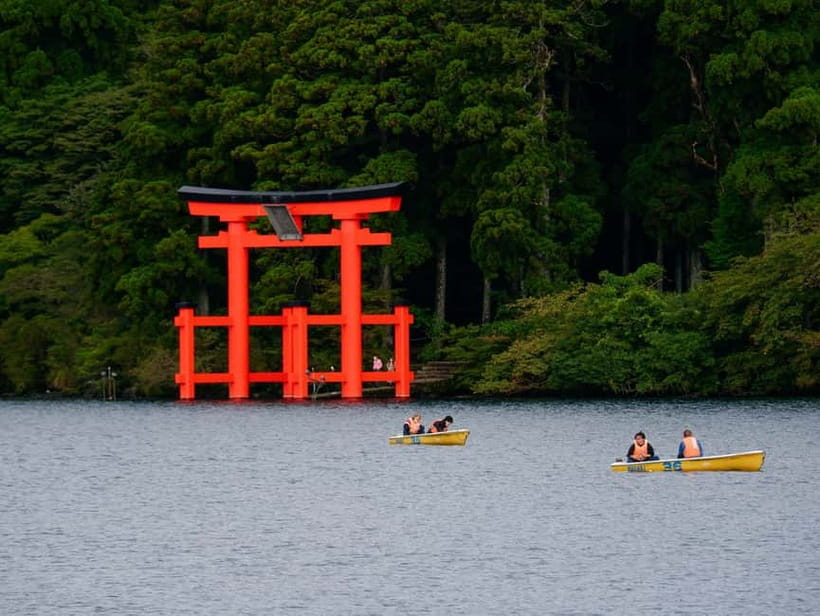
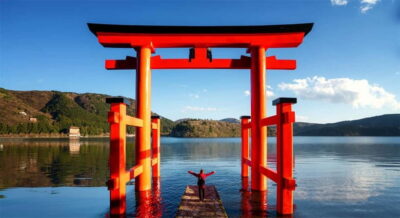
The first main stop is Hakone Shrine, with about 20 minutes for a photo stop and sightseeing. The famous vermilion torii sits at the edge of Lake Ashi, creating one of Hakone’s most recognizable views.
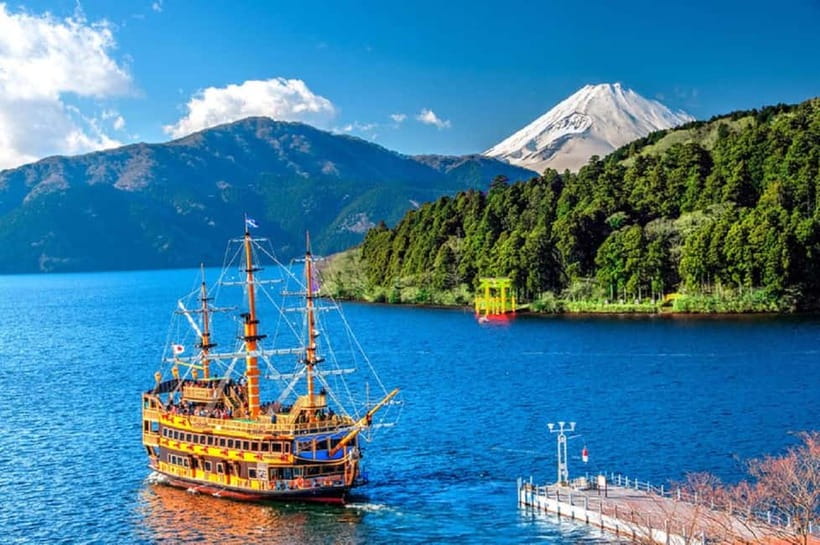
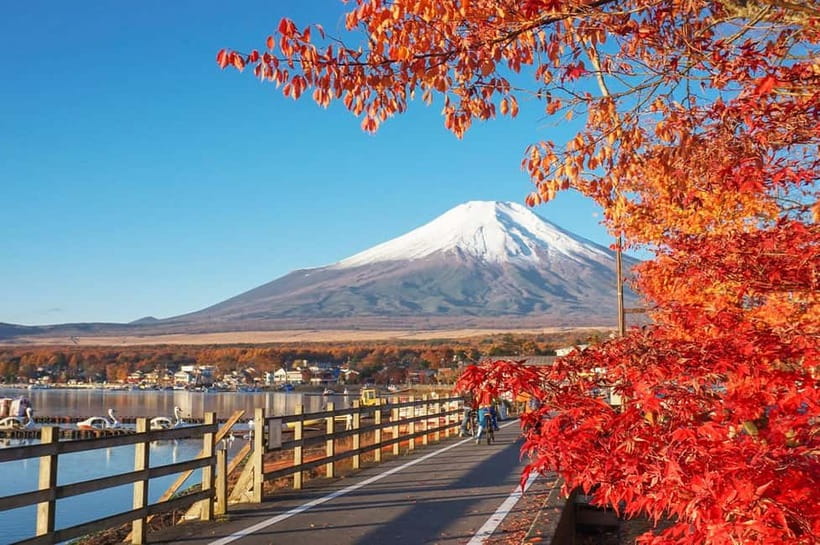
The setting does much of the work. Lake Ashi was formed by volcanic activity thousands of years ago, and Mt. Fuji can appear beyond the water when the air is clear. The combination of dark mountain slopes, open water, and red shrine architecture gives you a very Japanese scene with little effort.
Twenty minutes is enough for a quick look and photographs, but not for a careful exploration of the shrine grounds. If the torii area is crowded, be ready to move along. Also remember that Mt. Fuji visibility is never guaranteed. The mountain can disappear behind cloud even on a day that seems pleasant in Tokyo.
The guide may explain the site, but the quality of commentary can differ by group and guide. Wanting was especially praised for helping people from different countries communicate and for sharing information in several languages. On another day, the guide mainly directed people to each stop without much explanation. If context matters to you, ask questions when you have the chance.
Sailing Lake Ashi on the Hakone pirate ship
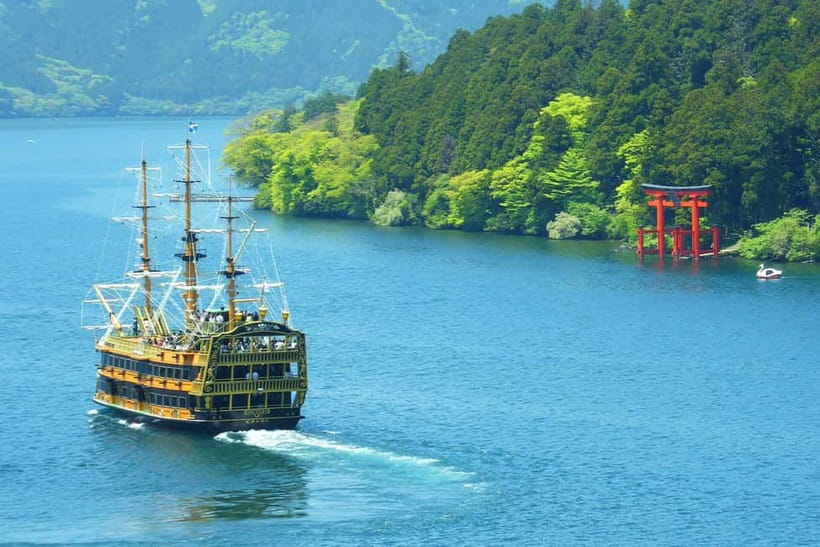
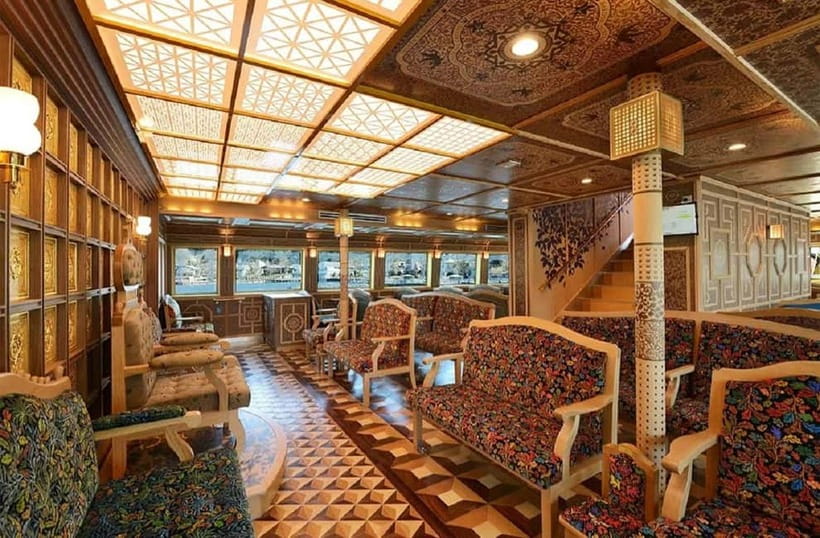
The Lake Ashi sightseeing cruise lasts about 30 minutes. Themed like a grand pirate vessel, the ship gives the tour a touch of fantasy without requiring a long boat excursion.
This is one of the day’s best changes of pace. After the coach ride and the quick shrine stop, you can step outside, feel the lake air, and watch the surrounding mountains pass by. From the open deck, you may get views toward Mt. Fuji, the red torii gate, and the wooded slopes around the lake.
The cruise is short, so think of it as a scenic transfer and photo opportunity rather than a full lake tour. You may not get a clear view of Fuji, and the ship can feel crowded at popular times. Still, the boat makes the route more memorable than simply driving from one Hakone stop to the next.
If you want photographs, move promptly toward an outdoor viewing area when allowed. Keep your camera ready, but do not let the search for one perfect picture take over the whole ride.
Same city, a completely different kind of day:
- Explore Mt. Fuji Ice Cave in Aokigahara Forest
★ 5.0 · 243 reviews - From Tokyo: Full-Day Mount Fuji Tour in English or Spanish
★ 4.7 · 101 reviews - From Kawaguchiko: Mt. Fuji Private Tour with a Local Guide
★ 5.0 · 35 reviews - Kowakien Yunessun Hot Springs Entry Ticket
★ 4.2 · 23 reviews
The Hakone Ropeway and volcanic views
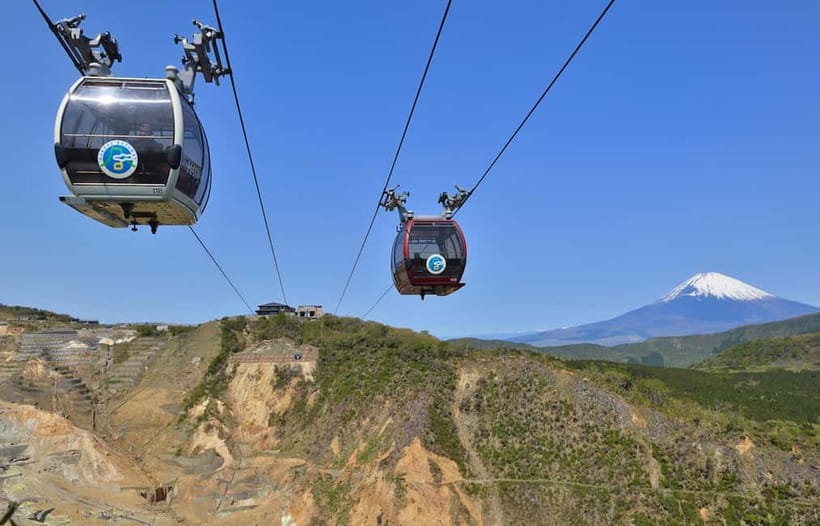
The Ropeway ride takes roughly 30 minutes and offers a very different view from the boat. Instead of looking across the water, you rise above Hakone’s volcanic terrain, with views toward Lake Ashi and Mt. Fuji when weather conditions cooperate.
The section between Owakudani and Ubako passes over ground marked by steam vents and rugged volcanic features. This is the part of the day that gives you a sense of the forces beneath Hakone. The cable car also saves you from walking between these areas, which is useful on a packed itinerary.
The title describes the Ropeway as optional, so check the exact option and inclusions before paying. The supplied schedule lists a 30-minute cable car ride, but activities can change because of weather, traffic, holidays, or operational conditions.
Like the boat, the Ropeway depends heavily on visibility. Clouds may block Fuji, and mist can soften the volcanic views. I still think the ride earns its place because the ground below is interesting even without the mountain panorama.
Owakudani and the famous black eggs
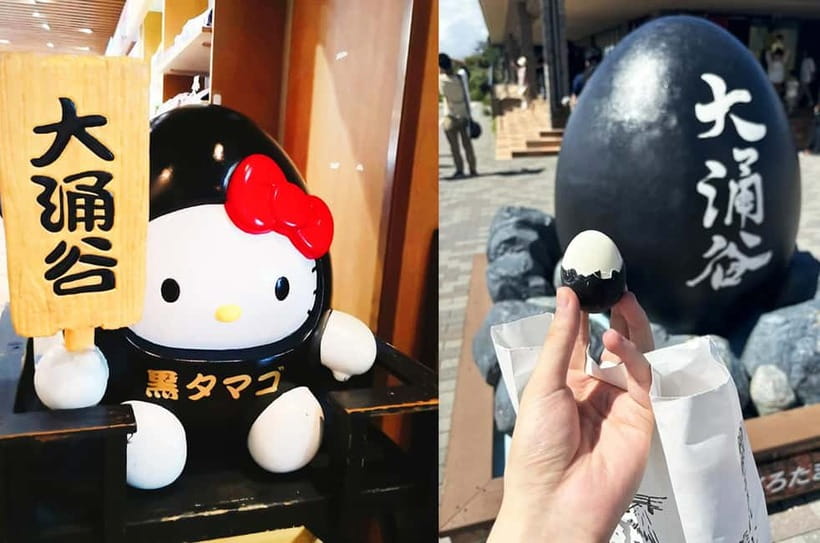
Owakudani is a volcanic valley where sulfur steam rises from the ground and mineral smells fill the air. The stop lasts around 40 minutes, giving you time to look around, take photographs, and try the famous black eggs.
The eggs are boiled in hot spring water, which darkens their shells. Local belief says that eating one adds seven years to your life. Treat that as folklore, of course, but the eggs are a fun and very specific Hakone experience.
This stop is not a long walk through a broad park. It is a focused visit to an active volcanic area, and the atmosphere can be smoky or strong-smelling. Comfortable shoes are important, and you should follow any local instructions about where you can walk.
Bring cash. Food and drinks are not included, and some places may not accept credit cards. Owakudani is a good place to budget for a small snack, but you do not need to buy anything to enjoy the stop.
Two hours on Enoshima Island
Enoshima gives the tour a completely different mood. After Hakone’s mountain and volcanic scenery, you cross to a small island filled with shrine buildings, food shops, souvenirs, and sea views.
You have about two hours here, which is the most generous stop of the day. Use it with a plan. The island includes steps and uphill sections, so you cannot see every corner at a leisurely pace while also stopping for food.
Your route begins around Benzaiten Nakamise Street, a lively approach lined with seafood stalls, snacks, traditional goods, and small shops. This is a good place to sample local food and see how a religious site can also function as a popular day-out destination.
The island’s main spiritual focus is Enoshima Shrine, including Hetsunomiya. The shrine is dedicated to three sister goddesses associated with fortune, love, success, and prosperity. Red shrine halls, lanterns, and old legends give the climb a sense of place beyond simple sightseeing.
You should allow time for both the shrine and the shopping street. If you spend the entire visit eating or browsing, you may miss the quieter religious side. If you rush straight uphill, you lose the local flavor that makes Enoshima different from Hakone.
The island stop is also where comfortable shoes matter most. The tour is not suitable for wheelchair users, and pregnant people may find the steps and long day unsuitable. The schedule does not promise a separate leisurely route.
What about Kamakura and Komachi Street?
The descriptive material for the day refers to Kamakura’s Komachi Street, with its craft shops, tea houses, and local foods. The timed itinerary, however, lists Enoshima Island and its shrine and shopping street, not a separate Kamakura stop.
That distinction matters. Do not book this tour expecting a full visit to Kamakura unless the operator confirms it for your selected departure. The practical focus appears to be Enoshima, especially Benzaiten Nakamise Dori and Enoshima Shrine.
Guide quality and group communication
The tour offers English, Japanese, and Chinese support. That is useful for a mixed international group, especially when the day includes several transport changes and short stops.
Wanting received particularly warm praise for multilingual communication and personal assistance. One person who missed the bus was helped with getting home safely, which suggests that this guide was attentive beyond the basic schedule. Laila was also described as kind and attentive during a successful day that included the shrine, cruise, Ropeway, and island.
But do not assume every guide will provide the same level of commentary. One outing involved very little explanation, with the driver mainly dropping people at each attraction. If you want more history and interpretation, stay close to the guide, listen during transfers, and ask direct questions.
For groups smaller than 13 people, the guide may also drive the vehicle. In that case, expect simple commentary and do not expect the guide to enter every attraction with you. This arrangement can work well for basic directions, but it is less suited to visitors who want a guided walk at each site.
Is $53 good value?
At $53 per person, the price is attractive for a 10 to 11-hour shared trip. You are paying for an air-conditioned vehicle, driver, guide, fuel, parking, taxes, and the organized connection between Tokyo, Hakone, and Enoshima.
The value is strongest if you would otherwise need to buy several separate transport tickets and manage the timing yourself. The cruise and Ropeway also add experiences that are not simply viewpoints from a roadside stop.
Food, drinks, and personal purchases are extra. The tour does not promise a relaxed meal break, so carry water and plan to buy food at one of the stops. The day’s low price comes with tradeoffs: shared transport, a fixed route, possible multilingual commentary, and limited time at each attraction.
Free cancellation is available up to 24 hours before departure, and you can reserve now and pay later. That flexibility helps when Mt. Fuji visibility is uncertain, though it cannot make the mountain appear on tour day.
Weather, traffic, and timing
Mt. Fuji is the biggest variable. The mountain’s outline may be clear from one part of the day and hidden later. Check the forecast before booking, but treat it as a guide rather than a promise.
Traffic can also shape the experience. The return journey includes long coach sections, and holiday congestion or bad weather may delay arrival in Tokyo. You may receive less time at a stop, face itinerary changes, or miss an activity if conditions become difficult. Keep your evening open after the tour.
The schedule is best for flexible sightseers. It is a poor fit if you have a flight, dinner reservation, theater ticket, or long-distance train immediately after the planned return.
Who should book this tour?
I recommend it for first-time visitors who want to see several famous places in one day and do not want to handle Hakone’s transport system alone. It is also a good match for families and mixed-language groups who value an organized coach, and for anyone who wants a low-cost look at both mountain scenery and coastal shrine culture.
You should think twice if you prefer quiet travel, long meals, detailed guiding, or plenty of time for photography. A clear view of Mt. Fuji would be a bonus, not a guarantee. You also need to be comfortable with walking, steps, a long bus day, and a shared group schedule.
Final call: book it for range, not relaxation
Book this tour if your priority is seeing Hakone and Enoshima in one affordable day. The Lake Ashi cruise, Ropeway, Owakudani, and Enoshima Shrine give you a satisfying range of sights, and the included transport removes much of the planning burden.
Skip it if one mountain view is the main reason for your trip, or if you want a calm, deeply guided visit. The tour succeeds as a highlights package. Its best moments come from the change between water, volcanic ground, shrine paths, and island streets, while its weak points are the long coach rides, possible crowding, and uneven commentary.
FAQ
How long does the Mt. Fuji Hakone and Enoshima tour last?
The tour lasts about 10 to 11 hours, including the coach journeys between Tokyo, Hakone, Enoshima, and the return point.
Is Mt. Fuji guaranteed to be visible?
No. Visibility depends entirely on the weather, so the mountain may be hidden by clouds or mist even when the tour operates normally.
What languages are available?
Live tour support is available in English, Japanese, and Chinese. If the group has fewer than 13 people, the guide may also drive and provide simple commentary.
Are the boat cruise and Ropeway included?
The schedule includes a 30-minute Hakone sightseeing cruise and a 30-minute Ropeway ride, but the title describes the Ropeway as optional. Check the exact option you select when booking.
Is food included?
No. Food and drinks are not included. Bring cash because some locations may not accept credit cards.
What should I bring?
Bring comfortable shoes, water, a camera, and comfortable clothing. Arrive at least 15 minutes early, and keep your evening schedule open in case traffic or weather causes delays.
More Kamakura Day Trips in Mount Fuji
- Tokyo: Kamakura & Enoshima Day Trip including Temple Tickets
★ 4.5 · 1,375 reviews - Tokyo: Mt. Fuji, Kamakura, Big Buddha, & Lake Ashi Day Trip
★ 4.5 · 867 reviews - From Tokyo: Kamakura & Enoshima 1-Day Bus Tour
★ 4.5 · 189 reviews - Kamakura Historical Walking Tour with the Great Buddha
★ 5.0 · 129 reviews
Just added around Mount Fuji
- From Kawaguchiko: Mt. Fuji Private Tour with a Local Guide★ 5.0 · 35 reviews
- Mt. Fuji Guided Scenic Trike Adventure from Lake Kawaguchi★ 5.0 · 15 reviews
- Kowakien Yunessun Hot Springs Entry Ticket★ 4.2 · 23 reviews
- Hakone: Day Tour to View Mt Fuji & Wooden Culture Experience★ 5.0 · 23 reviews
- Hakone Hachiri: Old Tokaido Highway Hiking Tour★ 4.9 · 22 reviews
- Hakone Adventure: Explore Nature’s Beauty and Tranquility★ 4.2 · 14 reviews
- Tokyo: Private Mt. Fuji Luxury Day Tour – Fully Customizable★ 4.9 · 17 reviews
- From Tokyo: Full-Day Mount Fuji Tour in English or Spanish★ 4.7 · 101 reviews
Mount Fuji Day Trips, compared.
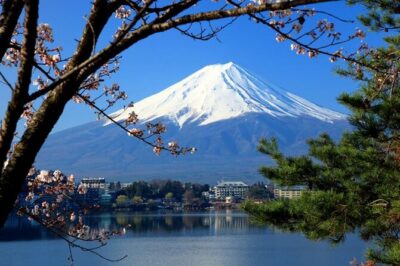
Mt Fuji and Hakone 1-Day Bus Tour Return by Bullet Train
Read our review →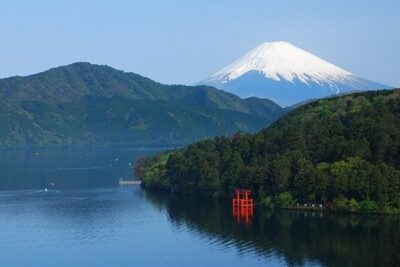
Mt Fuji & Hakone Cruise, Drum Show Bullet Train 1 Day from Tokyo
Read our review →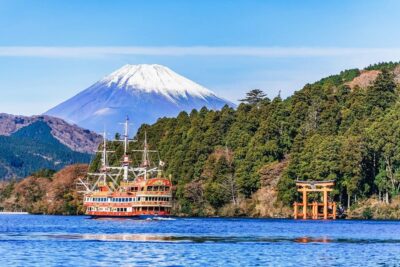
Tokyo Mt Fuji 5th St & Hakone Cruise Bus Tour w/Bullet Train
Read our review →
Mt. Fuji Tour, Hakone Ropeway, Owakudani, Lake Ashi
Read our review →
Mt Fuji Top 5 Spots Day Tour: Arakurayama Park,Oshino Hakkai
Read our review →
Private Tour to Mt. Fuji and Hakone (Fully Licenced Operator)
Read our review →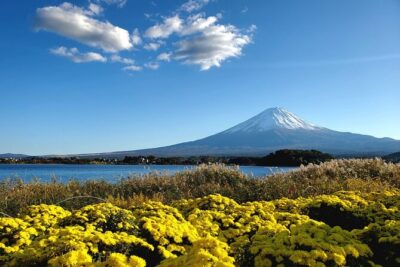
Mount Fuji Full-Day Private Tour from Tokyo (Customizable)
Read our review →Browse the lists this tour appears in