
REVIEW · PRIVATE CAR WITH DRIVER
Guided Tour to Naoshima Art Island with Private Car
Naoshima’s art is not confined to museum walls. You’ll find a giant polka-dot pumpkin by the water, Tadao Ando’s concrete forms tucked into the hills, and galleries built to make natural light part of the artwork. This private tour gives you a guide, car, and ferry from Uno Port, so you can focus on the island rather than ferry schedules and local transport.
I like two things right away: the guide adds meaning to the art, and the private car saves time between scattered sites. Guides such as Yoji Ohora, also written as Yoki or Yoshi in tour information, are praised for explaining both the art and the ideas behind it in an approachable way. The main caution is the price, $418.43 per person, plus a confusing note about which museum admissions are included. Confirm that detail before paying.
In This Review
- Key points to know before you go
- Why a private car helps on Naoshima
- Crossing from Uno Port to Miyanoura
- Naoshima’s outdoor art and local character
- Chichu Art Museum, where the building becomes part of the art
- Lee Ufan Art Museum and the calm of the valley
- Benesse House Museum on the coast
- What the guide adds to the art
- Is $418.43 per person a fair price?
- Who will get the most from this day?
- Practical details that can make the day smoother
- Should you book the Naoshima private-car tour?
- FAQ
- Where does the tour begin?
- Is the ferry from Uno Port to Naoshima included?
- Is the ferry back to Uno Port included?
- Which museums are part of the tour?
- Are museum admission tickets included?
- What happens if I arrive late?
Key points to know before you go
- The day begins at Uno Port at 9:10 a.m., with your English-speaking guide meeting you before the ferry to Naoshima.
- A private car handles island transport, useful because Naoshima’s museums and outdoor works are spread across several areas.
- Chichu Art Museum is built mostly underground, turning the building itself into part of the visit.
- Lee Ufan Art Museum pairs art with Tadao Ando architecture, offering a quieter stop than the larger museums.
- Benesse House gets up to two and a half hours, but its admission status needs confirmation because the tour details conflict.
- The tour ends at Miyanoura Port, and you arrange and pay for your own ferry back to Uno.
Why a private car helps on Naoshima
Naoshima is compact, but its art sites are not gathered in one convenient museum district. Outdoor sculptures, Chichu Art Museum, Lee Ufan Art Museum, and Benesse House sit in different parts of the island. The private car removes much of the guesswork.
That matters most on an eight-hour schedule. You are not spending your limited day figuring out which bus goes where or waiting for a connection. Your guide takes you between the main stops and can suggest other art locations along the way.
The format is private, so only your group participates. You can ask why a work is placed in a certain spot, how the island’s art project developed, or what an Ando building is doing to your sense of space. That freedom is more useful here than it would be on a basic sightseeing loop.
You still need to keep an eye on the clock. The tour starts at 9:10 a.m., and the guide plans to take you to Miyanoura Port around 5:35 p.m. for your return ferry. Arrive early at Uno Port. If you are more than 10 minutes late, the booking is treated as a no-show.
A few more Japan trips to weigh up
- Tokyo Private Sightseeing Tour by Car- English speaking chauffeur
★ 5.0 · 1,004 reviews - Tokyo Private Tour by Vehicle with English-Speaking Chauffeur
★ 5.0 · 504 reviews - Mt FUJI Day Tour with Private Car and English Speaking Guide
★ 5.0 · 433 reviews
Crossing from Uno Port to Miyanoura
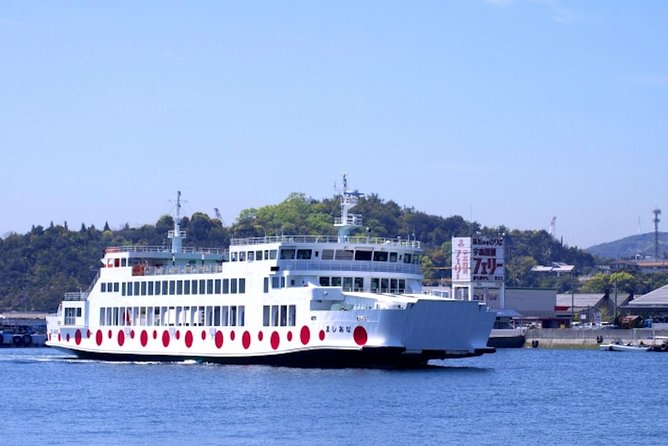
Your day starts at Uno Port in Tamano, Okayama Prefecture. The meeting point is at 1 Chome-2 Chikko, near public transportation. The guide meets you there and accompanies you on the ferry to Miyanoura Port.
The outbound ferry is included, which makes the first part simple. You do not have to buy a separate ticket or work out the crossing alone. Once you arrive, the private car takes over for the island portion of the day.
The return crossing is not included. The tour ends at the Marine Station Naoshima in Miyanoura, and the guide directs you to take your own ferry back to Uno. Plan for that final leg before you begin the tour, especially if you have a train or hotel reservation after returning to the mainland.
Food and drinks are also your responsibility. The schedule includes time at a local restaurant, but the meal itself is not covered. That gives you some choice, though it also means the $418.43 price does not represent an all-inclusive day.
Naoshima’s outdoor art and local character
The first island portion lasts about two hours. Your guide takes you around Naoshima’s art sites, outdoor works, and other notable places, with time for a local restaurant stop.
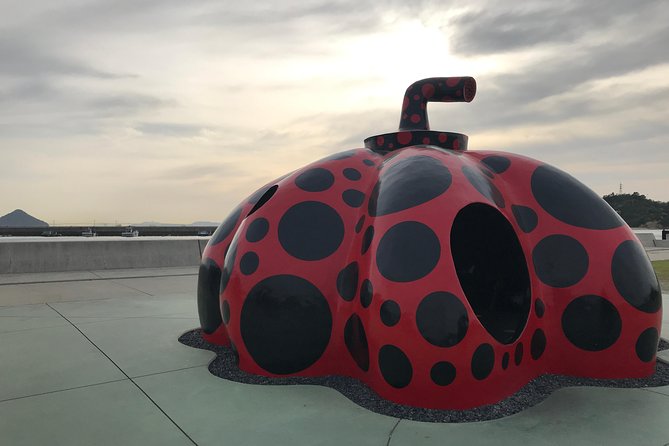
This is where the private format can feel most personal. The island is famous for works that interact with their setting rather than simply sitting inside a gallery. The well-known Polka-Dot Pumpkin is a natural highlight, and your guide can place it within Naoshima’s wider art program instead of treating it as a quick photo stop.
You should expect this part to vary somewhat. The guide may suggest several museums or art sites and discuss which ones fit your interests. Since the tour details say to discuss the museum choices with the guide, your final route may not feel identical to another group’s day.
That flexibility is useful for people who already know what they like. If you prefer architecture, ask for more time with Tadao Ando’s buildings. If you want outdoor works and island views, say so early. If modern art is new territory for you, ask the guide to explain the basic ideas before arriving at the larger museums.
Chichu Art Museum, where the building becomes part of the art
Chichu Art Museum receives about an hour and a half. The museum is built mostly underground to avoid interrupting Naoshima’s scenery. Rather than hiding the design, the building makes you aware of light, shadow, concrete, and the changing sense of space.
The museum’s central idea is the relationship between nature and people. That theme fits the building: you are not simply walking through a series of white rooms. The architecture controls how you enter, move, look, and notice natural light.
I would give Chichu your full attention. An hour and a half is enough for a meaningful visit, but it is not a long, leisurely museum session. If you tend to read every label or spend a long time with each piece, you may want to ask how the schedule can be adjusted.
This is also a good stop for someone who does not usually feel confident in modern art museums. The guide can explain the philosophy behind the spaces and works before you enter, then answer questions afterward. Several comments about the tour praise the guide’s ability to explain the history and ideas behind each artwork, not just identify what you are looking at.
Same city, a completely different kind of day:
- Mt Fuji and Hakone 1-Day Bus Tour Return by Bullet Train
★ 5.0 · 26,383 reviews - 1-Day Tokyo Bus Tour
★ 5.0 · 14,250 reviews - PERFECT KYOTO 1-Day Bus Tour
★ 5.0 · 13,518 reviews - Tokyo: TOKYO SKYTREE® Admission ticket
★ 4.5 · 11,192 reviews
Lee Ufan Art Museum and the calm of the valley
The Lee Ufan Art Museum is scheduled for about two hours. It is a collaboration between artist Lee Ufan and architect Tadao Ando, set in a quiet valley and designed partly below ground.
Lee Ufan’s work from the 1970s to the present is shown in close conversation with Ando’s architecture. The result is a stop where empty space, concrete, silence, and the placement of a work matter as much as the object itself.
Two hours gives this visit room to breathe. That is valuable after the more structured Chichu stop. You can take time with the relationship between the art and the building rather than rushing from one piece to the next.
The museum may be challenging if you prefer traditional painting, clear stories, or crowded rooms full of objects. Ask your guide to explain what to look for. This is one of the places where a good explanation can change the experience from puzzling to rewarding.
The guides associated with this tour are praised for making difficult ideas friendly and relatable. Yoji Ohora is specifically named in the feedback, with other entries spelling the name Yoki or Yoshi. Confirm your assigned guide’s name when you book, but expect an art-focused host rather than a driver who simply drops you at the door.
Benesse House Museum on the coast
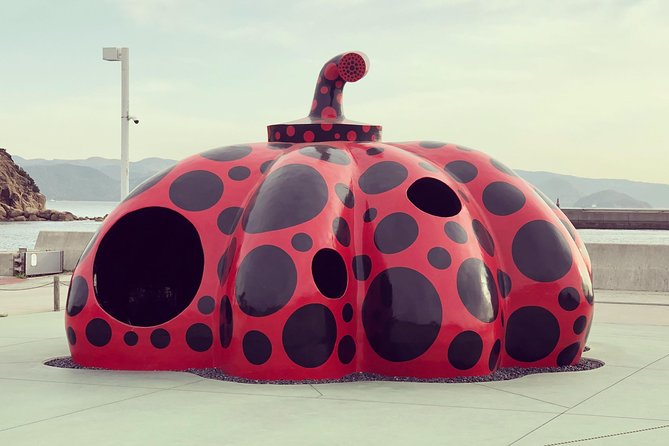
Benesse House receives the longest planned visit, about two and a half hours. The museum and resort complex sits along Naoshima’s coast and combines modern art with hotel architecture.
This stop gives you a different side of the island project. Chichu is mostly underground, and Lee Ufan is quiet and restrained. Benesse House connects art, architecture, and the coast in a larger complex. The outdoor works around the property are also part of its appeal.
The longer time allocation is sensible. You may need time to see the museum, walk between works, and enjoy the setting without turning the stop into a checklist. Ask the guide where to focus if your interests are stronger in sculpture, architecture, or contemporary art.
There is an important pricing problem here. The inclusion list says admission tickets to Benesse, Chichu, and Lee Ufan are included. The itinerary says Benesse admission is not included, and the additional information says museum admission is not included at all. Since those statements disagree, contact Beauty of Japan and get the current admission arrangement in writing before booking.
This is not a minor detail. At $418.43 per person, the value depends partly on whether the major museum tickets are already covered. The private car, guide, and ferry still have real value, but you should know the full cost before committing.
What the guide adds to the art
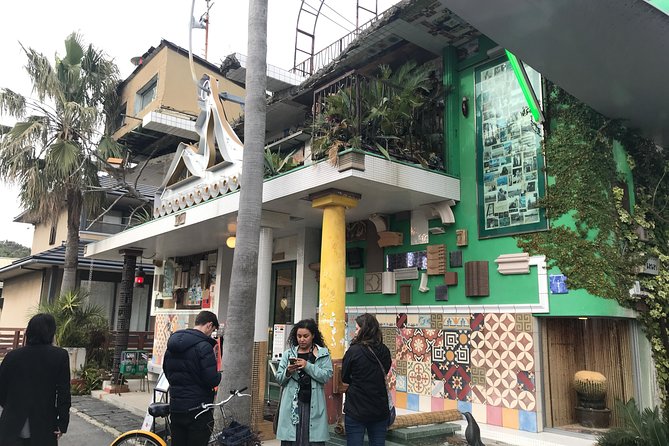
A guide matters on Naoshima because the island’s art is often more conceptual than decorative. You may see a simple form, a mostly empty room, or a building that appears plain from the outside. The point often lies in how the work changes your attention.
The strongest praise for this experience centers on the guide’s mix of subject knowledge, friendly conversation, and enthusiasm. Yoji Ohora is described as someone who explains art, history, and culture in a way that encourages questions. That is the right approach for Naoshima, where a short explanation can give shape to an otherwise hard-to-read work.
You are not limited to a memorized speech in a private tour. Ask why a museum was placed underground. Ask how the island’s art sites differ. Ask what to notice before you enter a room. You can also tell the guide when you want less explanation and more quiet viewing.
The wording about the guide’s museum background is important too. The guide is described as having worked at a museum in Naoshima. That experience should be particularly useful at Chichu, Lee Ufan, and Benesse House, where the building and the artwork are closely linked.
Is $418.43 per person a fair price?
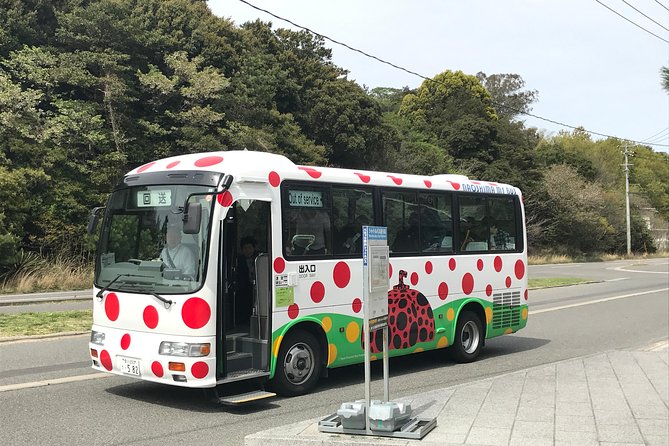
The price is high for an eight-hour day, but it covers more than a standard admission-only outing. You get an English-speaking guide, a private car on Naoshima, the ferry from Uno to Miyanoura, and access to a private itinerary for your group.
For two or more people, the value improves because the car and guide cost are shared. Group discounts are available, though the exact saving is not stated. A solo visitor pays the full per-person rate for a service that is naturally better suited to a couple, family, or small group.
The price is easier to justify if you place a high value on time and clear explanations. It is less attractive if you are comfortable using local transport, planning museum reservations, and reading about Naoshima in advance.
Remember to add lunch, drinks, the return ferry, and possibly museum admissions. The conflicting admission information makes it especially important to check the final total. This tour is not refundable or changeable after booking, so do not reserve it until the route, tickets, and guide assignment are clear.
The experience is booked about 43 days ahead on average. That suggests you should not leave it until the last moment if your Japan itinerary is fixed, particularly if you want a specific date.
Who will get the most from this day?
I would choose this tour if you want to see several major Naoshima sites in one day without handling the transport yourself. It suits first-time visitors, couples, families, and small groups who want to ask questions as they go.
It is also a strong fit if modern art is unfamiliar to you. The guide’s role is not just to point out buildings. You get context for the ideas behind the works, and you can discuss what you are seeing in plain language.
You may want a different plan if you prefer to spend one full day in a single museum, move at a slow photographic pace, or keep costs low. The schedule covers a lot, and the private car makes it efficient, but eight hours still imposes limits.
Most people can participate, and service animals are allowed. The meeting point is near public transportation. The activity is private, so your group does not share the car or guide with strangers.
Practical details that can make the day smoother
Arrive well before 9:10 a.m. at Uno Port. The late-arrival rule is strict, and missing the start means losing the booking.
Wear comfortable shoes. The day includes several museums, outdoor art locations, port areas, and movement between sites. Exact walking distances are not provided, but the tour clearly involves more than sitting in a car.
Keep lunch flexible. A local restaurant stop is planned, but food and drinks are not included. If you have dietary needs, discuss them with the guide early in the day.
Use the private format to shape the visit. Tell the guide if you want more time at Chichu, extra attention to Ando’s architecture, or a stronger focus on outdoor sculpture. The guide will suggest museums, and the tour information specifically asks you to discuss those choices together.
Before booking, confirm four points: the exact guide, which museums you will visit, whether all three admissions are included, and the expected return-ferry timing. Those questions are especially important because the supplied details do not agree about admission tickets.
Should you book the Naoshima private-car tour?
Book it if you want an efficient, guided introduction to Naoshima and are willing to pay for convenience. The combination of ferry, private car, major museums, and an art-focused guide can save a great deal of planning. The strongest reason to choose it is the chance to discuss the art with someone who understands the island’s museums from the inside.
I would be more cautious if you are traveling alone on a tight budget or want complete control over your pace. The nonrefundable policy and unclear admission wording also mean you should confirm the details first.
For a small group with limited time, this is a practical way to see Naoshima’s main art spaces in one full day. Just verify the ticket inclusions and return arrangements before you commit to the $418.43 price.
FAQ
Where does the tour begin?
The tour begins at Uno Port, 1 Chome-2 Chikko, Tamano, Okayama, at 9:10 a.m.
Is the ferry from Uno Port to Naoshima included?
Yes. The ferry ride from Uno Port to Miyanoura Port is included.
Is the ferry back to Uno Port included?
No. The tour ends at Miyanoura Port, and you arrange and pay for the return ferry yourself.
Which museums are part of the tour?
The planned museum stops are Chichu Art Museum, Lee Ufan Art Museum, and Benesse House Museum. The guide may suggest additional museums or art sites, so discuss the route with the guide.
Are museum admission tickets included?
The tour information gives conflicting details. One section says tickets to Benesse, Chichu, and Lee Ufan are included, while another says museum admission is not included and the itinerary marks Benesse admission as excluded. Confirm this directly with Beauty of Japan before booking.
What happens if I arrive late?
If you are more than 10 minutes late for the starting time, the booking is treated as a no-show. The experience is nonrefundable and cannot be changed after booking.
Just added around Japan
- Private Memorable Tokyo Tour with English Speaking Driver★ 5.0 · 30 reviews
- Private Tokyo Custom Full-Day Tour by Chartered Vehicle★ 5.0 · 16 reviews
- Private Sightseeing to Mt Fuji and Hakone with English Driver★ 5.0 · 51 reviews
- Tokyo Photography Masterclass – Private Photography Lesson★ 5.0 · 25 reviews
- Private Mt. Fuji Day Trip from Tokyo with English-Speaking Driver★ 5.0 · 33 reviews
- 4 Day Tour – Mount. Fuji, Tokyo, Hakone, Kamakura and Yokohama★ 5.0 · 19 reviews
- Private Unforgettable Mt Fuji Tour with English Speaking Driver★ 5.0 · 142 reviews
- Private Tokyo Food Tour – A Journey Through Time Through Food★ 5.0 · 36 reviews
Private Car with Driver, compared.
Tokyo Private Sightseeing Tour by Car- English speaking chauffeur
Read our review →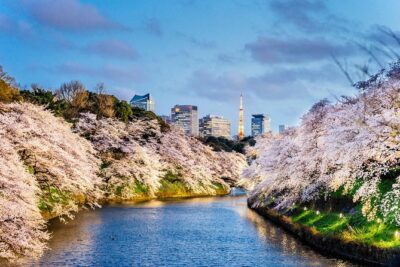
Tokyo Private Tour by Vehicle with English-Speaking Chauffeur
Read our review →Mt FUJI Day Tour with Private Car and English Speaking Guide
Read our review →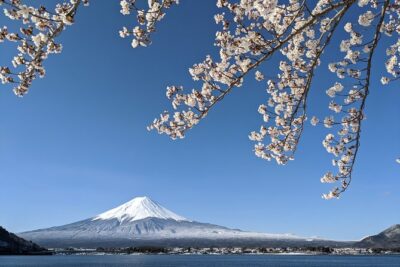
Kyoto Private Car Tour – Full Day with Local Guide & Nara Option
Read our review →
Kyoto Day Trip using Private Car with English Driver (up to 5)
Read our review →Browse the lists this tour appears in