
REVIEW · MOUNT FUJI DAY TRIPS
Private Car Tour to Mt. Fuji Lake Kawaguchiko or Hakone
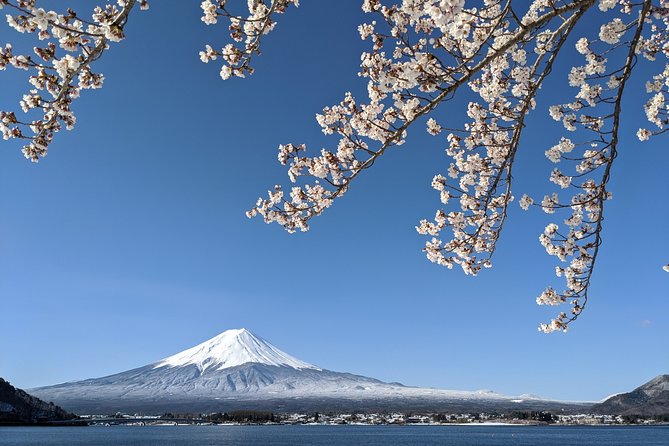
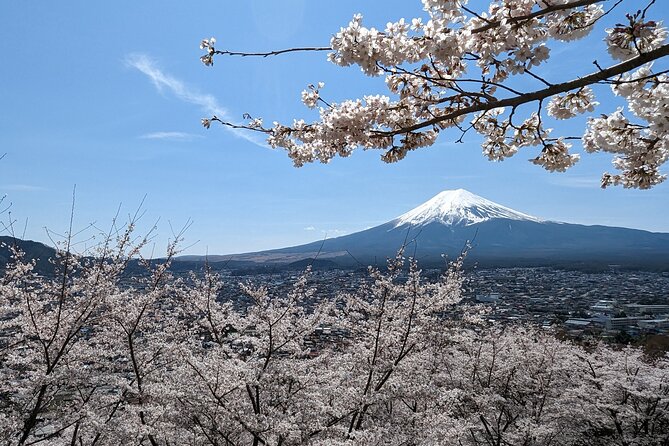
Mt. Fuji is the star here, but the real strength of this private tour is the freedom to shape the day around it. You can chase the classic Chureito Pagoda view, visit shrines and flower parks, explore lava caves, or switch to Hakone for Lake Ashi, Owakudani, and the ropeway. A private minivan also saves you from piecing together several trains and buses.
I like the thoughtful local guidance and the ability to change plans when clouds, crowds, or traffic get in the way. I also like that groups of up to eight can share the cost, making the $1,286.89 group price more reasonable for families or friends. The catch is the long day, possible Tokyo traffic, and the fact that you must choose only four to six stops rather than attempting the entire menu.
In This Review
- Key points to know before booking
- Why a private Fuji day makes sense from Tokyo
- Chureito Pagoda and the classic Fuji photograph
- Learning about the mountain before chasing views
- Lake Kawaguchiko’s flowers, food, and open views
- Traditional houses at Saiko Iyashi no Sato Nemba
- Oshino Hakkai and the Fuji water story
- Aokigahara and the lava caves
- A sake brewery and the taste of Yamanashi
- Hakone offers a different kind of day
- Lake Ashi, shrine gates, and samurai roads
- Museums for art lovers and curious families
- The guide and driver are central to the experience
- Price, timing, and practical limits
- Who should book this private Fuji or Hakone tour?
- Should you book it?
- FAQ
- How long does the private tour last?
- How many people can join the tour?
- Does the tour include hotel pickup and drop-off?
- Can I visit every stop listed?
- Is lunch included?
- Is the Mt. Fuji Fifth Station included?
- Can I choose between Mt. Fuji and Hakone?
- What happens if bad weather cancels the tour?
Key points to know before booking
- Choose your route carefully: Focus on either the Fuji Five Lakes area or Hakone. Trying to combine both creates too much driving.
- The guide makes the difference: Ken, Tomomi, Bob, Taiji, Hiroko, Reiko, and others have led highly personal tours, with English, French, Spanish, Chinese, and Korean guide options available.
- Expect a flexible day: The itinerary is a menu of possible stops, not a promise that you will visit every shrine, museum, cave, and lake.
- Weather controls the view: Mt. Fuji may hide behind clouds, even when the rest of the day is enjoyable.
- Allow for traffic: The return to Tokyo can take much longer than planned, especially on holidays or weekends.
- Budget for extras: Meals, museum admissions, ropeways, cruises, caves, hot springs, and the Mt. Fuji Fifth Station toll are not included.
Why a private Fuji day makes sense from Tokyo
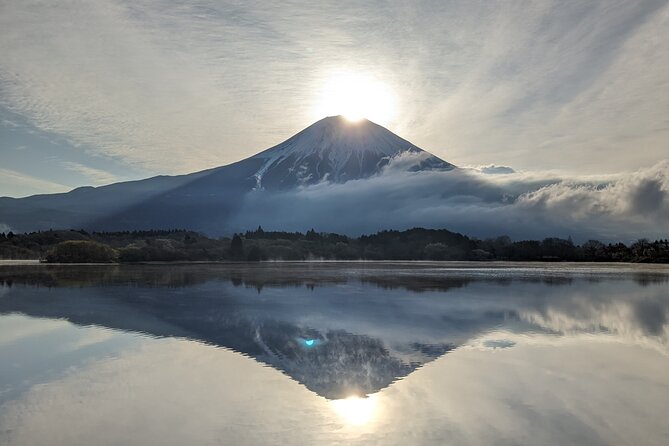
A day trip from Tokyo to Mt. Fuji covers a lot of ground. The mountain is about a two-hour journey from the city in good conditions, but roads around the lakes and the return route can slow you down. Public transport works well for independent visitors, yet it takes planning and limits how easily you can link distant sights.
Here, you are picked up at your hotel or accommodation and travel in an air-conditioned minivan reserved for your group. The price covers transportation, guide service, and one bottle of water per person. You do not need to manage train changes, parking, or the question of which lake deserves your limited time.
The tour lasts about 10 to 11 hours. That sounds generous, but it is not enough to see everything offered. The sensible approach is to select four to six places before the morning begins, then let the guide adjust the order according to weather and road conditions.
For a group of eight, the price works out to about $161 per person before admissions, food, and gratuity. For two people, it is a major splurge. I would consider it good value for a larger family, older parents, or anyone who wants a private English-speaking guide and door-to-door transport.
More mount fuji day trips in Tokyo:
- Mt Fuji and Hakone 1-Day Bus Tour Return by Bullet Train
★ 5.0 · 26,383 reviews - Mt Fuji & Hakone Cruise, Drum Show Bullet Train 1 Day from Tokyo
★ 4.0 · 7,413 reviews - Tokyo Mt Fuji 5th St & Hakone Cruise Bus Tour w/Bullet Train
★ 4.4 · 5,024 reviews
Chureito Pagoda and the classic Fuji photograph
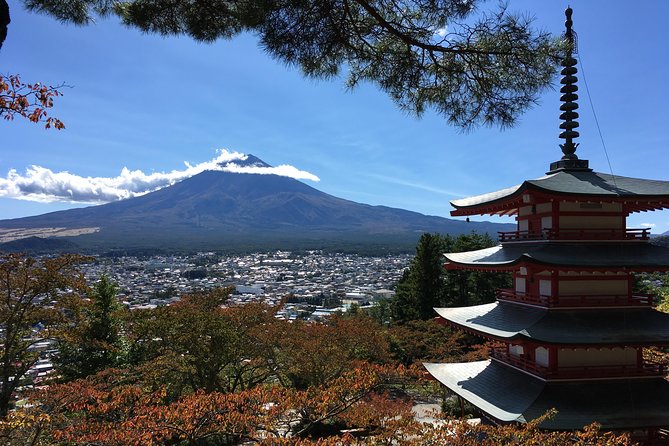
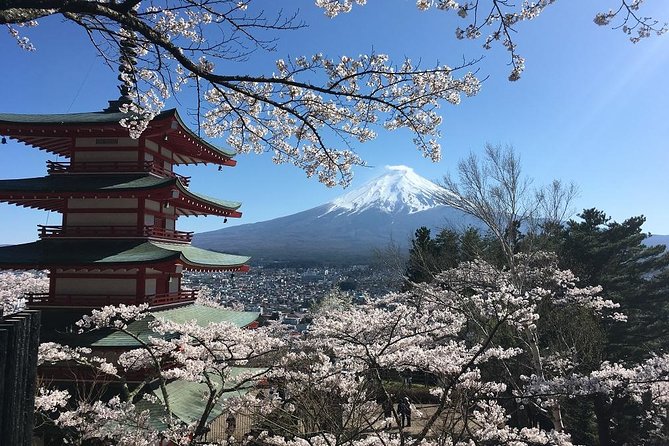
The usual opening section around Arakura Fuji Sengen Shrine and Chureito Pagoda gives you the most recognizable Mt. Fuji view. The shrine honors a fire goddess and forms part of the cultural setting around the mountain. From the nearby Arakurayama Sengen Park, you can frame the five-story pagoda with Mt. Fuji behind it.
This is the photograph many people have in mind before arriving in Japan. It is also one of the busiest and most requested viewpoints, so timing matters. The listed visit can take 30 to 60 minutes, though the pagoda area involves stairs and walking. If mobility is a concern, discuss this before booking.
The shrine, pagoda, and park are described as separate stops, but you should treat them as one cluster. Counting them as three major attractions would leave too little time for the rest of your day.
Learning about the mountain before chasing views
The Mt. Fuji World Heritage Center offers a useful change of pace. A video and regional displays explain the mountain’s cultural importance and rituals. I would choose this stop if the weather forecast looks poor, since it gives you a meaningful Fuji experience even when the summit is hidden.
Kitaguchi Hongu Fuji Sengen Shrine provides another cultural angle. It is a major shrine on the northern side of Mt. Fuji and is associated with the traditional first stage of climbing the mountain. The grounds help explain why Fuji is more than a scenic peak. It has long been treated as a sacred place.
These stops are especially useful if you want more than photographs. The shrines also offer a calmer counterpoint to the heavily photographed pagoda.
Lake Kawaguchiko’s flowers, food, and open views
Lake Kawaguchiko is the most visited of the five Fuji lakes and offers several possible stops. Oishi Park is a strong pick for seasonal color, with more than 90 types of flowers across the year. Lavender is the signature sight, but the appeal changes by season.
Nearby Fuji Oishi Hana Terrace adds regional crafts, souvenirs, fruit-based ice cream, and sorbets. It is an easy stop for families and a practical place to pick up something local without committing to a long museum visit.
You might also choose the Mt. Fuji Panoramic Ropeway. The cable car climbs to 1,075 meters in about three minutes, giving views over Lake Kawaguchiko, Fuji Yoshida, and Mt. Fuji when the weather cooperates. The ride itself is short, but queues can stretch the stop to 90 minutes.
The ropeway is a good choice on a clear day. On a cloudy day, I would spend that time at a shrine, museum, or lakeside viewpoint instead. Admission is extra.
A few more Tokyo trips to weigh up
- Tokyo Private Sightseeing Tour by Car- English speaking chauffeur
★ 5.0 · 1,004 reviews - Tokyo Private Tour by Vehicle with English-Speaking Chauffeur
★ 5.0 · 504 reviews - Mt FUJI Day Tour with Private Car and English Speaking Guide
★ 5.0 · 433 reviews - Kyoto: Immersive Arashiyama & Fushimi Inari by Private Car
★ 5.0 · 35 reviews
Traditional houses at Saiko Iyashi no Sato Nemba
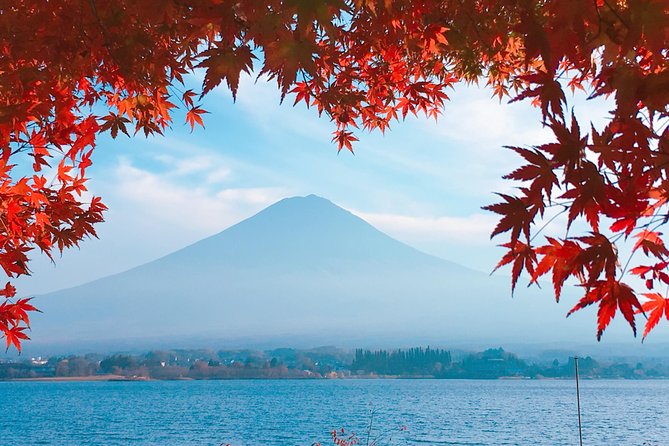
Saiko Iyashi no Sato Nemba is one of the more atmospheric choices on the Fuji side. Old thatched-roof houses sit with Mt. Fuji behind them, and local crafts and artists provide a look at traditional rural life.
You can reserve kimono or samurai armor rentals here, making it a popular choice for family photographs. Admission is not included, and the visit can last from 30 to 90 minutes depending on how much you want to browse and dress up.
This stop works well for families and anyone who wants a cultural activity rather than another lookout. It is also near Lake Saiko, known as the Maiden Lake, so your guide may pair the village with a brief lakeside photo stop.
Oshino Hakkai and the Fuji water story
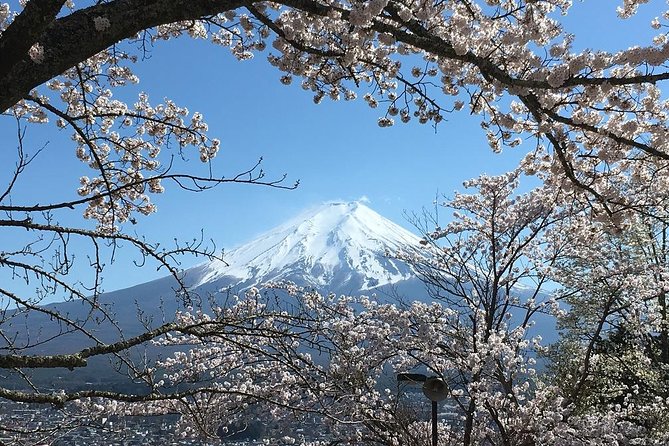
Oshino Hakkai consists of eight ponds formed by snowmelt from Mt. Fuji. The ponds are part of the Fujisan Cultural Site recognized by UNESCO, and the area combines water views with small shops and Japanese street food.
It is an easy, compact stop, usually around 20 to 60 minutes. I would choose it if you want a taste of local food and a traditional village setting without spending half the day in a museum.
The area can feel more commercial than a quiet shrine or forest walk. Still, it offers a clear connection between the mountain, its snow, and the water that shapes the region.
Aokigahara and the lava caves
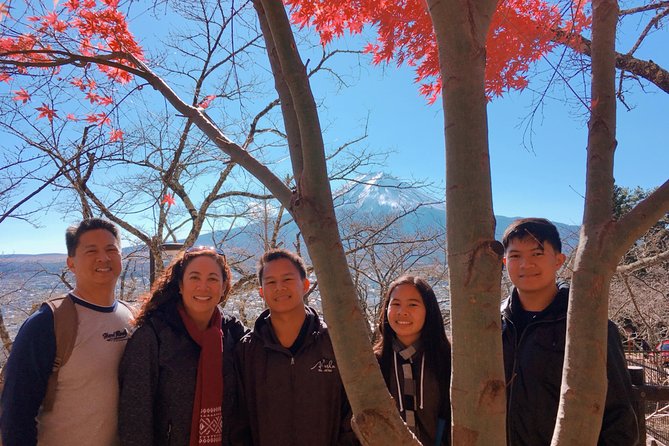
Aokigahara Jukai, often called the Sea of Trees, grew over volcanic ground created by Mt. Fuji. The forest can be visited for a short walk, or paired with one of three caves: Narusawa Ice Cave, Fugaku Wind Cave, or Saiko Bat Cave.
The ice and wind caves are small volcanic formations where you walk underground for roughly 15 to 30 minutes. The Saiko Bat Cave is larger, with visits lasting about 20 to 45 minutes. Admission is extra for each cave.
These are adventure stops, not polished museum visits. Expect uneven ground and confined spaces. If you dislike narrow passages, skip them. If you want a different side of the mountain, a cave and short forest walk can be more memorable than adding another viewpoint.
A sake brewery and the taste of Yamanashi
Ide Sake Brewery is described as the only sake brewery in Lake Kawaguchiko city using Mt. Fuji snowmelt. A simple tasting takes about 20 minutes, while a guided brewery visit lasts about 90 minutes and begins at 3 p.m. by reservation.
This is one of the most distinctive choices on the menu, but the timing matters. A late brewery visit may not fit with an early return to Tokyo, especially if traffic is heavy. Tasting costs 1,500 yen, and admission is not included.
Yamanashi is also Japan’s leading wine-producing prefecture, with more than 80 wineries. Fruit picking is another possible seasonal addition, with strawberries, cherries, peaches, grapes, and Shine Muscat. Reservations are needed, so mention these interests when arranging the itinerary.
Hakone offers a different kind of day
Hakone is not simply another Fuji viewpoint. It is a mountain resort area built around volcanic activity, hot springs, Lake Ashi, art museums, and old travel routes. Choose Hakone if you want a more varied day with a ropeway, boat cruise, and cultural sites.
The Hakone Ropeway rises to about 1,350 meters and provides the best Fuji views in the Hakone area on a clear day. The ride takes about 45 to 90 minutes once queues and stops are included. At Owakudani Valley, you can see volcanic activity and try the famous black eggs, which are said to add seven years to your life.
I would not choose the ropeway solely for Fuji. Clouds can erase the mountain, but Owakudani remains worthwhile for its volcanic setting. The ropeway can also be busy, so keep your schedule loose.
Lake Ashi, shrine gates, and samurai roads
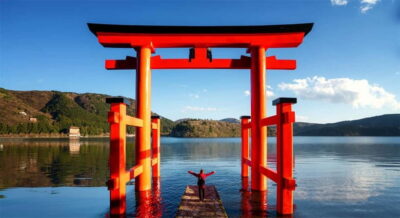
The Hakone Shrine is famous for its torii gate near Lake Ashi and dates back roughly 1,260 years. The setting is attractive, but the gate is a popular photo spot, so patience may be needed.
A Lake Ashi sightseeing cruise takes about 30 minutes. You can choose the famous pirate-style ship or a regular cruise ship if you prefer a simpler ride and fewer themed crowds. On a clear day, the lake, shrine, and Fuji views make a strong combination.
For history, add Hakone Sekisho and its museum. This former checkpoint explains travel and control during the Tokugawa shogunate. Odawara Castle is another option, with displays on samurai and ninja life, including armor and swords.
These sites give the Hakone day more substance than a string of photo stops. I especially like the checkpoint for visitors who want context about how people moved through Japan during the Edo period.
Museums for art lovers and curious families
The Hakone Open-Air Museum is the most broadly appealing museum option. Sculptures by Japanese and Western artists are spread across outdoor grounds, so you can combine art with fresh air and movement. Allow 45 to 90 minutes, and remember that admission costs extra.
Other choices include the Itchiku Kubota Art Museum, known for rare kimono designs and distinctive architecture; the Venetian Glass Museum; the Pola Museum of Art; and the Narukawa Art Museum near Lake Ashi. A small Samurai Museum is also available, with real weapons and the option to try samurai armor.
Do not attempt several museums in one day. Pick one according to your interests. The Open-Air Museum suits mixed-age groups, while Itchiku Kubota is a better choice if textile art and Japanese design appeal to you.
Mishima Skywalk is another possible stop. It is Japan’s longest suspended pedestrian bridge and offers Fuji views on a clear day. The activity can take 30 to 90 minutes, and admission is extra.
The guide and driver are central to the experience
The best part of this tour is not the minivan. It is the human judgment behind the day. Guides such as Ken, Tomomi, Bob, Taiji, Hiroko, and Reiko have been praised for clear English, warm manners, local knowledge, and quick changes when conditions shift.
Ken, in particular, has been described as responsive before the tour, helping build an itinerary and even adapting plans for cycling with little notice. One family cycled 14 kilometers around Lake Yamanaka on electric bikes, and Ken stayed with the slower rider while the rest of the family moved ahead.
Drivers also matter. Toshi and Tak have been singled out for punctual pickups, safe driving, and calm handling of holiday traffic. On a private day with so much road time, that makes a real difference.
You can request English, French, Spanish, Chinese, or Korean professional guides. Specific guide assignments depend on availability, so treat names such as Ken or Tomomi as examples rather than a guarantee.
Price, timing, and practical limits
At $1,286.89 per group of up to eight, this is a premium day trip. The price remains the same with or without the vehicle, and it includes hotel pickup and drop-off, private transportation, guide service, and bottled water.
You still pay for lunch, drinks, entrance fees, gratuity, and optional activities. The Mt. Fuji Fifth Station requires a 2,100-yen toll paid on the spot. Ropeways, cruises, museums, caves, hot springs, sake tasting, and costume rentals also cost extra.
The Fifth Station reaches about 2,300 meters and is the highest point accessible by car on the mountain. It usually takes about two hours, but access closes from July to mid-September during climbing season and in winter. Even when open, cloud cover can hide the summit.
Weather is the tour’s biggest risk. The company does not promise a refund simply because Mt. Fuji is hidden at a stop. If poor weather causes the entire activity to be canceled, you can receive a different date or full refund. Check the forecast, but accept that Fuji views are never guaranteed.
You can cancel for a full refund up to 24 hours before the start time. Service animals are allowed, and most people can participate. Tell the company about dietary needs when booking, since a vegetarian option is available.
Who should book this private Fuji or Hakone tour?
I would recommend it to families, groups of friends, older relatives, and visitors who value time and personal attention more than the lowest price. It is also a good fit if you want a guide to explain shrines, volcanic caves, sake, Japanese art, or local customs rather than simply drive you to viewpoints.
It is less suitable for a couple on a tight budget or for someone who prefers independent rail travel. You may also find a group coach tour more efficient if you only want one famous Fuji photograph.
The strongest plan is to decide on a theme. For Fuji, choose the pagoda, one shrine, one lake or flower stop, and either Oshino Hakkai, a cave, the village, or the brewery. For Hakone, combine the ropeway and Owakudani with Lake Ashi and either the shrine, Open-Air Museum, or checkpoint.
Should you book it?
Book this tour if your priority is a flexible private day with a local guide, comfortable transport, and the freedom to change plans. The high price makes sense for up to eight people, especially when elderly parents or children are joining.
Skip it if you need guaranteed Fuji visibility, dislike long drives, or want a low-cost outing. The mountain may disappear behind clouds, and the return to Tokyo can take almost four hours in heavy traffic. With a focused itinerary and realistic expectations, this is a strong way to see the Fuji or Hakone area without wrestling with the transport system yourself.
FAQ
How long does the private tour last?
The tour lasts approximately 10 to 11 hours.
How many people can join the tour?
The private tour accommodates up to eight people per group.
Does the tour include hotel pickup and drop-off?
Yes. Hotel pickup and drop-off are included.
Can I visit every stop listed?
No. The listed locations form a menu of possible activities. You should select around four to six sites for the day.
Is lunch included?
No. Lunch, food, and drinks are not included. One bottled water is provided per person.
Is the Mt. Fuji Fifth Station included?
No. The Fifth Station is not included. If access is open, a 2,100-yen toll fee is paid on the spot.
Can I choose between Mt. Fuji and Hakone?
Yes. You can arrange a tour around Mt. Fuji and Lake Kawaguchiko or choose a Hakone itinerary with options such as the ropeway, Owakudani, Lake Ashi, shrines, museums, and cruises.
What happens if bad weather cancels the tour?
If the activity is canceled because of poor weather, you will be offered a different date or a full refund. A refund is not provided simply because Mt. Fuji is partly or fully hidden during an otherwise operating tour.
Just added around Tokyo
- Tokyo: Customizable Private Guided Walking Tour★ 4.5 · 129 reviews
- Private Harajuku Omotesando Architecture Tour★ 4.9 · 18 reviews
- Tokyo: Guided Helicopter Ride★ 4.9 · 24 reviews
- Tokyo: Guided Walking Tour of Tsukiji Market with Lunch★ 4.4 · 24 reviews
- Tokyo: Private Personalized Local Food Tour★ 4.5 · 101 reviews
- Tokyo: Gotokuji Cat Temple, Shinjuku Cat Cafe & 3D Cat Tour★ 4.9 · 38 reviews
- Tokyo GINZA: KONPARU Japanese Cabaret Show with Drink★ 4.8 · 38 reviews
- Tokyo: Guided Walking Tour of Tsukiji Market with Breakfast★ 4.4 · 134 reviews
Mount Fuji Day Trips, compared.
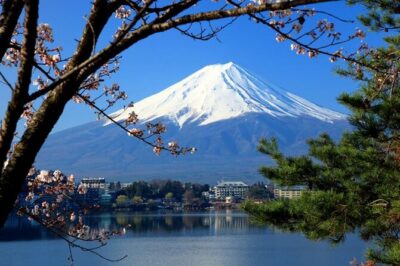
Mt Fuji and Hakone 1-Day Bus Tour Return by Bullet Train
Read our review →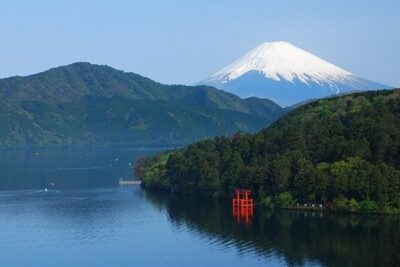
Mt Fuji & Hakone Cruise, Drum Show Bullet Train 1 Day from Tokyo
Read our review →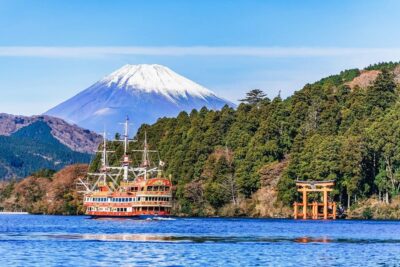
Tokyo Mt Fuji 5th St & Hakone Cruise Bus Tour w/Bullet Train
Read our review →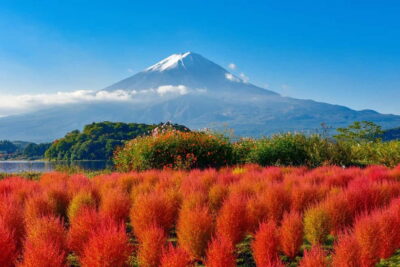
Mt. Fuji Tour, Hakone Ropeway, Owakudani, Lake Ashi
Read our review →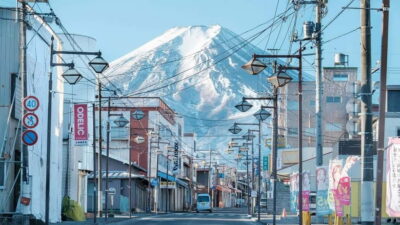
Mt Fuji Top 5 Spots Day Tour: Arakurayama Park,Oshino Hakkai
Read our review →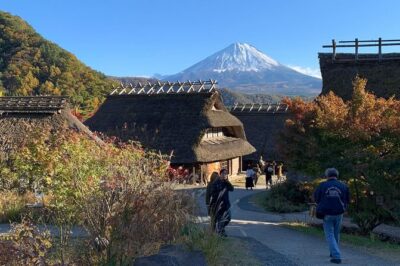
Private Tour to Mt. Fuji and Hakone (Fully Licenced Operator)
Read our review →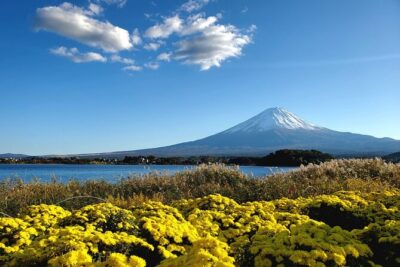
Mount Fuji Full-Day Private Tour from Tokyo (Customizable)
Read our review →Browse the lists this tour appears in