REVIEW · TOURS
Fukushima Daiichi Nuclear Power Plant visit 2 day tour
The most unusual part of this Fukushima tour is the chance to enter the Fukushima Daiichi Nuclear Power Plant under strict rules, with your guide carrying a Geiger counter. This is not a quick photo stop. You learn what happened on March 11, 2011, then see how the coast is dealing with the years since.
I like two things here. First, you meet local people and hear personal accounts rather than receiving only a technical explanation. Second, the tour tries to show several sides of the story, from the plant operator’s view to local recovery projects and memorial sites. The main caution is that this is serious, emotionally heavy travel, and the exact route can change.
In This Review
- Key points to know before booking
- Why this Fukushima tour is different
- Starting in Koriyama instead of Tokyo
- Day one along the Fukushima coast
- Entering Fukushima Daiichi with a Geiger counter
- What the recovery sites add
- Meals, accommodation, and the real cost
- Who should take this tour
- Booking, timing, and cancellation details
- Should you book the Fukushima Daiichi two-day tour?
- FAQ
- Where does the tour start and finish?
- Is transportation from Tokyo included?
- Is the Fukushima Daiichi Nuclear Power Plant visit guaranteed on a specific day?
- What identification is required for the plant visit?
- What should I wear?
- What is included in the price?
Key points to know before booking
- Plant access is the rare feature: You may enter Fukushima Daiichi with a Geiger counter and must follow strict clothing, ID, and footwear rules.
- Local voices shape the experience: Meetings with residents and people involved in recovery add human detail to the facts of the disaster.
- The tour begins in Koriyama: You must arrange your own transport from Tokyo to Koriyama and back.
- The coast itinerary can change: The power plant visit may happen on either day, depending on facility scheduling.
- The price covers more than sightseeing: At $579.82 per person, you get accommodation, breakfast, dinner, a guide, and tour transport, but lunch and Tokyo transfers cost extra.
- This is a small, serious group experience: The maximum is 20 people, the minimum is six, and participants must be at least 20 years old.
Why this Fukushima tour is different
Many day trips to disaster sites give you a short explanation, a museum visit, and a quick return to the city. This two-day tour gives the subject room to breathe. You spend time along the Fukushima coast, hear from people who lived through the earthquake, tsunami, evacuation, and nuclear accident, and visit the plant itself if the schedule allows.
That combination matters. The disaster was not a single event with a clean ending. The earthquake and tsunami caused immediate destruction, while the nuclear accident created a separate crisis involving evacuation, radiation fears, disrupted communities, and a long recovery. A two-day format lets you connect those parts.
I also like the balance between solemn stops and signs of everyday recovery. Past routes have included Ukedo Elementary School, the Great East Japan Earthquake and Nuclear Disaster Memorial Museum, Ranch of Hope, the Namie Town Flower Project, and J-Village. Depending on the departure, you may also encounter local activists, people rebuilding businesses, or unusual symbols of regional life such as the Cow Godzilla.
Do not expect a light sightseeing trip. The subject is painful, and some places may feel quiet or unsettling. You are asked to respect privacy, avoid photographing people or private property without permission, and speak carefully about the disaster. That is not a minor etiquette note. It is part of what makes this kind of visit responsible.
A few more Japan trips to weigh up
- Nagano Private Two Day Tour
★ 5.0 · 29 reviews
Starting in Koriyama instead of Tokyo
The tour begins at Koriyama Station at 10:00 a.m., not in central Tokyo. This is the first practical point to solve before you pay. Transport from Tokyo to Koriyama and the return journey are not included.
Koriyama is in Fukushima Prefecture and has rail connections, but you need to plan your arrival so you are at the station on time. The meeting point is at the station area, with the tour ending back at Koriyama Station on the second day.
Once the group meets, an air-conditioned vehicle handles the tour’s local transport. That is valuable because the coastal sites are spread out, and arranging your own transport in the affected area would be difficult. You also avoid spending the two days working out train connections, local roads, and access rules.
The group can include up to 20 people. That is not an intimate private tour, but it is still manageable for a guided vehicle and group discussions. The tour may be canceled if fewer than six people book, with notice promised at least two weeks before the date. Keep that possibility in mind if you are building a tightly timed Japan itinerary.
Day one along the Fukushima coast
The first day begins with the coast area rather than a single guaranteed attraction. The operator may schedule the Fukushima Daiichi visit on day one or day two. This flexibility is necessary because access depends on facility availability, but it means you should not plan around a fixed order of stops.
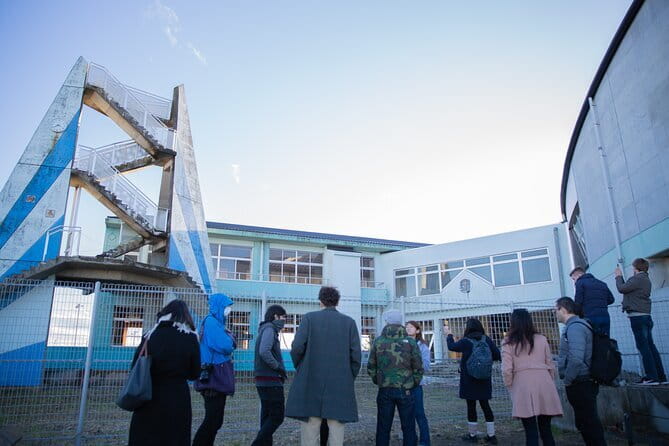
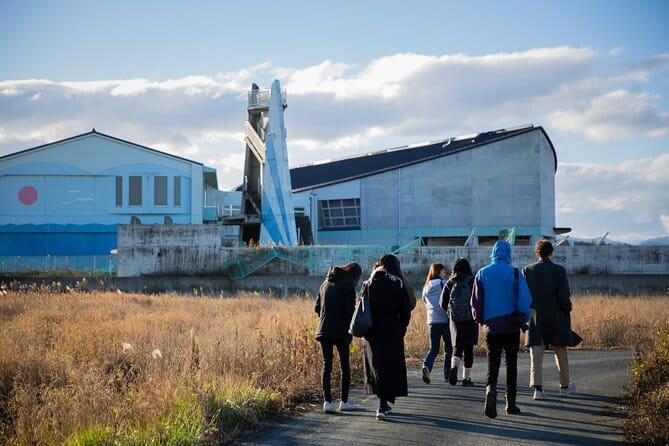
A strong day may include a school or memorial site that shows the physical and human effects of the tsunami. Ukedo Elementary School has been singled out as a particularly powerful stop on past departures. Sites like this help explain the scale of the disaster in a direct way that statistics cannot.
The Great East Japan Earthquake and Nuclear Disaster Memorial Museum gives wider context. It connects the earthquake, tsunami, nuclear accident, evacuation, and recovery effort. I find a museum useful before or after the plant visit because it helps you place technical information within the lives of the people affected.
You may also visit recovery projects such as the Namie Town Flower Project or Ranch of Hope. These are important because Fukushima is not only a place of loss. People are working to restore communities, support agriculture, create new activities, and bring attention back to the coast.
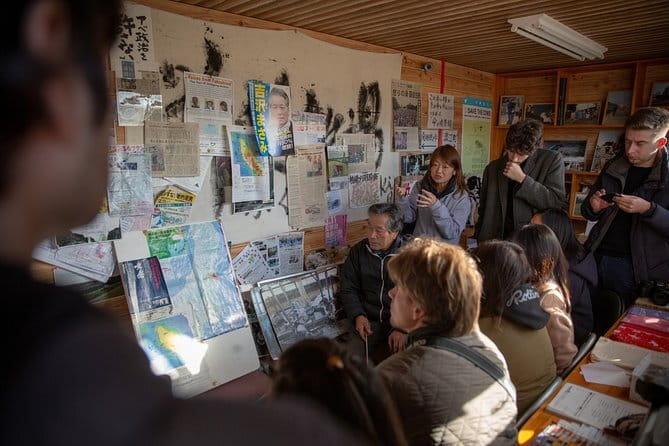
Local conversations are one of the best reasons to choose the two-day tour. You may meet residents who experienced the events directly and can explain what changed for their families and communities. Your guide helps connect those stories to the places you are seeing, but the personal accounts give the day its emotional weight.
Past participants have praised guides including Yoko, Noriko, Fumi, and Fumie. Guide assignments can change, but these examples give you an idea of the role expected from the guide: explaining complex events, answering questions, managing the schedule, and helping conversations with local people. A good guide matters here because the subject includes science, politics, personal loss, and recovery policy.
Entering Fukushima Daiichi with a Geiger counter
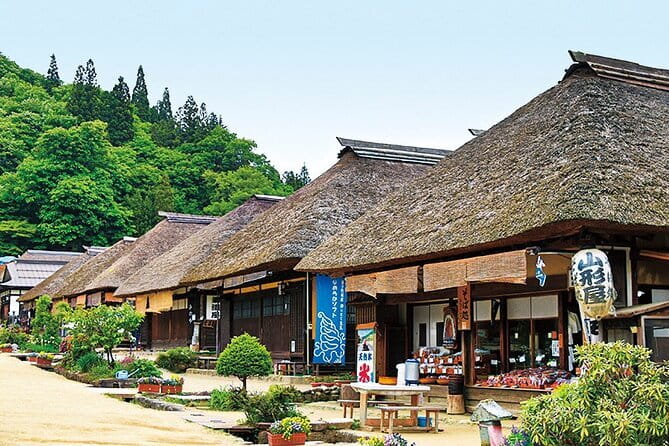
The plant visit is the tour’s defining feature. You receive a first-hand look at Fukushima Daiichi under controlled conditions, and your guide carries a Geiger counter to measure radiation dose.
The supplied estimate for exposure during this part of the trip is about 0.02 mSv. You should still take the rules seriously. Bring an original government-issued ID, not a copy. Accepted forms include a passport, driver’s license, photo My Number card, photo Basic Resident Registration Card, residence card, or special permanent resident certificate.
You also need to send a copy of your ID after booking, then show the original when entering. Without the required identification, access may not be possible.
Your clothing must cover your skin. Wear a long-sleeved top and long pants, plus socks that cover your ankles. Flat shoes such as sneakers are required. Sandals and high heels are prohibited for the plant visit.
Photography and filming around the plant and in restricted areas are prohibited. This may disappoint anyone hoping to record the experience, but the rule protects security and respects the seriousness of the site. You must follow your guide’s instructions, and anyone who refuses may be asked to leave the group.
One important boundary is easy to miss: the tour does not grant general permission to enter restricted areas beyond the approved Fukushima Daiichi visit. In other words, you are not wandering through the exclusion zone on your own. You enter only the places authorized for this activity.
The plant visit can be informative, but do not expect unrestricted access to every part of the facility. The itinerary depends on current schedules and site rules. Still, the chance to enter at all is unusual, especially when paired with explanations about what happened and how cleanup and recovery continue.
Same city, a completely different kind of day:
- Mt Fuji and Hakone 1-Day Bus Tour Return by Bullet Train
★ 5.0 · 26,383 reviews - 1-Day Tokyo Bus Tour
★ 5.0 · 14,250 reviews - PERFECT KYOTO 1-Day Bus Tour
★ 5.0 · 13,518 reviews - Tokyo: TOKYO SKYTREE® Admission ticket
★ 4.5 · 11,192 reviews
What the recovery sites add
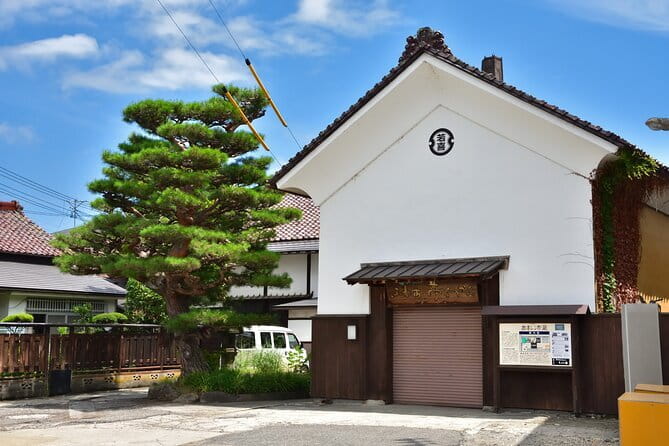
The surrounding stops prevent the plant visit from becoming a narrow technology tour. You see how the disaster affected schools, towns, businesses, public spaces, and family life.
J-Village, for example, has been part of the region’s recovery story and may appear in the route. The Cow Godzilla is a more unexpected detail, showing how local identity and humor can exist beside painful memories. These stops may seem less solemn, but they help you see Fukushima as a living place rather than a frozen disaster zone.
Recovery is uneven, and the tour does not reduce the subject to a simple success story. Some people returned, some did not, and communities continue to face difficult questions. Meeting local people gives you a better sense of those differences than a general statement about reconstruction.
I especially value the balance between official and local perspectives. Past departures have included information connected to TEPCO, local activists, residents, and community projects. You can ask questions and compare how different people understand responsibility, risk, recovery, and the future.
That balance is also a reason to listen carefully. This is not a scripted attraction built to give you one easy conclusion. You may leave with more questions than answers, which is appropriate for a subject this complicated.
Meals, accommodation, and the real cost
The tour costs $579.82 per person. At first glance, that is a sizeable amount for two days, especially since Tokyo transport and lunch are excluded. The value improves when you add what is included: accommodation, breakfast, dinner, an air-conditioned vehicle, an English and Japanese speaking guide, and the Geiger counter for the plant visit.
You are also paying for access and organization. The coastal sites are not simple independent stops, and the plant visit requires advance identification and compliance with facility procedures. The guide handles the route, timing, interpretation, and group movement.
Breakfast and dinner are included, but lunch is not. Carry cash and budget for midday food and personal purchases. The schedule is described as busy, so do not assume you will have long, leisurely meal breaks.
Accommodation is included, though the supplied details do not specify the property in every case. One past departure included a stay at J-Village. Ask about the assigned accommodation if the room standard or location is important to you.
The price makes more sense for someone who wants serious access and context, not just a cheap trip north. If you only want to see a few memorial sites, you may find the cost high. If you value the plant visit, local conversations, and guided transport, the package is easier to justify.
Who should take this tour
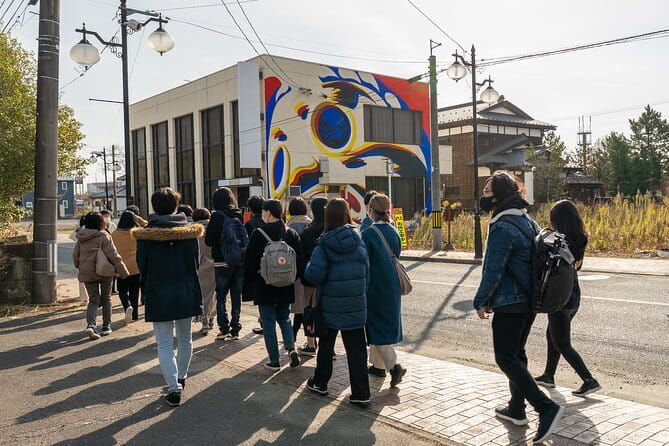
I would choose this tour if you have a strong interest in the 2011 disaster, nuclear power, Japanese social issues, environmental recovery, or responsible travel to places shaped by tragedy.
It suits adults who are comfortable with a full two-day schedule and difficult subject matter. The minimum age is 20, so this is not a family tour for younger children. Most people can participate, but the plant rules require suitable clothing, proper shoes, and the ability to follow instructions.
You should also be willing to put your camera away in restricted areas. The value here comes from listening, observing, and asking thoughtful questions rather than collecting photographs.
This is a good choice if you want a guided experience in English, with Japanese support available as well. It is especially useful for anyone who would struggle to reach the coastal sites independently or feel unsure about how to visit respectfully.
I would not choose it for a casual weekend outing. The tour is not designed around entertainment, shopping, or scenic variety. It is educational, sometimes moving, and likely to make you think.
Booking, timing, and cancellation details
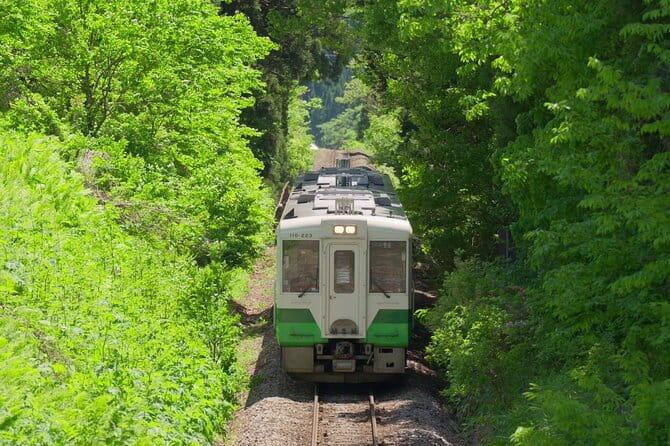
Confirmation is sent within 48 hours, subject to availability. Since the tour often fills well ahead of time, planning roughly 90 days in advance is sensible.
The plant visit may take place on either day, and the route can change based on facility schedules. Keep your plans flexible and do not book a same-day connection that leaves no room for delay after the tour ends.
The cancellation terms are strict close to departure. Cancel at least six full days before the start time for a full refund. Cancellation two to six full days before the start time allows a 50 percent refund, while cancellation less than two full days before the start time receives no refund. If the minimum group size is not reached, you can receive a full refund or choose another date or experience.
Bring your original ID, required clothing, flat shoes, personal travel items, and cash. These details are easy to overlook, but they matter more here than on an ordinary sightseeing tour.
Should you book the Fukushima Daiichi two-day tour?
Book it if you want to understand Fukushima through places, facts, and personal stories, and if entering Fukushima Daiichi is important to you. The combination of plant access, local voices, memorial sites, and recovery projects gives you far more context than a short stop could provide.
The strongest reasons to go are the careful guidance, the chance to hear directly from people affected by March 11, and the rare access to the nuclear plant. The main drawbacks are the high price, excluded Tokyo transport and lunch, uncertain stop order, strict rules, and serious tone.
I would treat this as an educational journey, not a standard sightseeing excursion. Go with respect, arrive prepared, and leave room in your thinking for a complicated story. For the right person, the two days offer a clear and responsible way to learn about what happened at Fukushima Daiichi and what recovery really means.
FAQ
Where does the tour start and finish?
The tour starts at 10:00 a.m. at Koriyama Station in Fukushima Prefecture and ends back at Koriyama Station East Exit Plaza.
Is transportation from Tokyo included?
No. You must arrange and pay for transportation from Tokyo to Koriyama and back. Local transportation during the tour is provided in an air-conditioned vehicle.
Is the Fukushima Daiichi Nuclear Power Plant visit guaranteed on a specific day?
No. The plant visit may take place on day one or day two, depending on the schedule of the facilities visited. The itinerary can also change based on availability.
What identification is required for the plant visit?
You must bring an original accepted ID, such as a passport or driver’s license. A copy is not sufficient. You must also send a copy of your ID after booking and show the original when entering.
What should I wear?
Wear a long-sleeved top, long pants, and socks covering your ankles. Flat shoes such as sneakers are required. Sandals and high heels are not allowed for the plant visit.
What is included in the price?
The price includes accommodation, breakfast, dinner, an air-conditioned vehicle, an English and Japanese speaking guide, and a Geiger counter. Lunch and transportation from Tokyo to Koriyama and back are not included.
Just added around Japan
- Private Memorable Tokyo Tour with English Speaking Driver★ 5.0 · 30 reviews
- Private Tokyo Custom Full-Day Tour by Chartered Vehicle★ 5.0 · 16 reviews
- Private Sightseeing to Mt Fuji and Hakone with English Driver★ 5.0 · 51 reviews
- Tokyo Photography Masterclass – Private Photography Lesson★ 5.0 · 25 reviews
- Private Mt. Fuji Day Trip from Tokyo with English-Speaking Driver★ 5.0 · 33 reviews
- 4 Day Tour – Mount. Fuji, Tokyo, Hakone, Kamakura and Yokohama★ 5.0 · 19 reviews
- Private Unforgettable Mt Fuji Tour with English Speaking Driver★ 5.0 · 142 reviews
- Private Tokyo Food Tour – A Journey Through Time Through Food★ 5.0 · 36 reviews
Tours, compared.
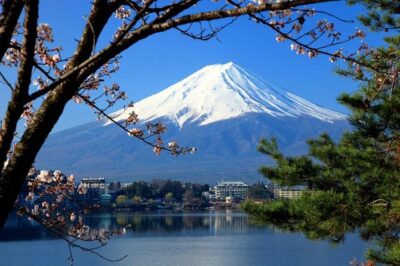
Mt Fuji and Hakone 1-Day Bus Tour Return by Bullet Train
Read our review →
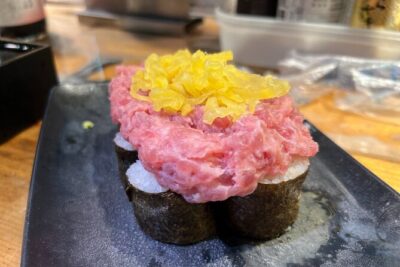
Shinjuku Food Tour (13 Dishes at 4 Local Eateries)
Read our review →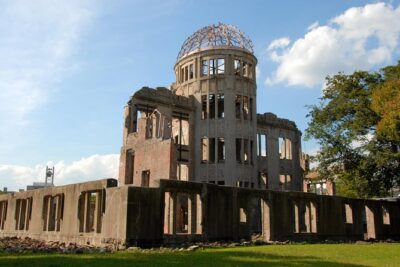
Peaceful Hiroshima & Miyajima UNESCO 1 Day Bus Tour
Read our review →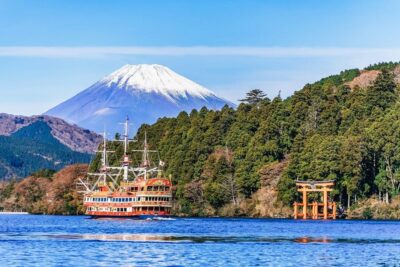
Tokyo Mt Fuji 5th St & Hakone Cruise Bus Tour w/Bullet Train
Read our review →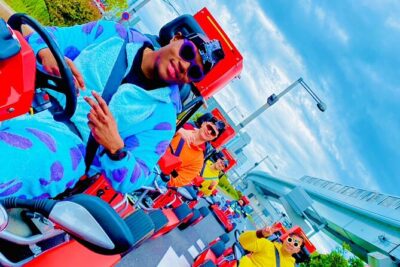
Flagship 2-Hours Official Street Go-Kart Tour – Tokyo Bay Shop
Read our review →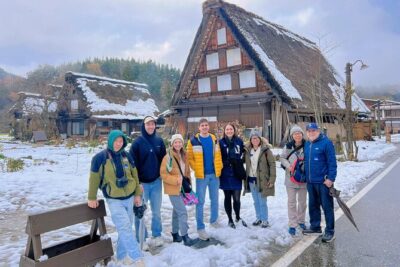
World Heritage Shirakawa-go and Experience Tours from Kanazawa
Read our review →