
REVIEW · NARA DAY TRIPS
3 Day Japan Highlights Tour: Tokyo, Mt.Fuji, Nara, Kyoto, Osaka
Japan’s great strength is its variety, and this three-day route packs in an astonishing amount: seaside Kamakura, hot-spring country around Hakone, Mt. Fuji viewpoints, old Nara, temple-filled Kyoto, and Osaka after dark. You move by air-conditioned vehicle rather than figuring out several train changes with luggage in hand.
I like the flexible approach, especially the chance to follow particular interests with guide Matt. I also like the mix of famous sights and smaller stops, from a tea ceremony and traditional village to sulphur vents and local snacks. The drawback is clear: this is a whirlwind tour, with long driving days and short visits at many stops.
In This Review
- Key points to know
- A three-day sweep from Narita to Osaka
- Day 1: Kamakura’s Buddha, Enoshima, and Hakone
- Hakone’s ropeway and Lake Ashi cruise
- Day 2: Mt. Fuji villages, lava caves, and Shiraito Falls
- Traditional houses and the Aokigahara forest
- Day 3: Nara deer and the Great Buddha
- Kyoto’s temples without a full Kyoto day
- Osaka after dark in Dotonbori
- What the $1,310.55 price really covers
- Who should book this fast-moving route
- Should you book the 3 Day Japan Highlights Tour?
- FAQ
- Where does the tour start?
- Where does the tour end?
- How large is the group?
- Are meals included?
- Are attraction admissions included?
- Can I cancel for a full refund?
Key points to know
- Kamakura and Enoshima begin the journey: See the Great Buddha, Hasedera Temple, and a coastal island before heading inland.
- Hakone adds variety: Ride the ropeway, cross Lake Ashi by pirate ship, and stop at Owakudani Valley.
- Mt. Fuji views depend on weather: Oshino Hakkai, Lake Kawaguchi, Shiraito Falls, and traditional villages fill Day 2.
- The route ends with major cultural sights: Nara Park, Todaiji, Kiyomizu-dera, Fushimi Inari, and Osaka’s Dotonbori all fit into the final day.
- The price includes useful basics: Air-conditioned transport, WiFi, tolls, parking, three-star accommodation, and two breakfasts are covered.
- You need stamina: Many stops involve walking, stairs, standing, and getting back on the road quickly.
A three-day sweep from Narita to Osaka
At $1,310.55 per person, this is not a bargain-basement bus excursion. It is a compact, private-feeling way to connect several parts of Japan without arranging hotels, road transport, parking, and sightseeing on your own.
The group can reach 23 people, so do not expect a chauffeured limousine for two. Still, that ceiling is modest by tour-bus standards. The air-conditioned vehicle, onboard WiFi, road tolls, and parking fees remove several costs and chores that can quietly add up in Japan.
The route starts at Narita Airport Terminal 2 and 3 Station, or from a hotel or port of entry in Tokyo or Narita. It finishes in a different location, in Osaka, which makes sense if you want to keep moving west rather than return to Tokyo.
That open-jaw design is one of the tour’s strongest practical features. You see Japan in one direction, then finish near Osaka’s restaurants and nightlife. You are not wasting a day retracing the same route.
More nara day trips in Narita:
- World Heritage Kyoto & Nara Uji Authentic Matcha Experience
★ 5.0 · 1,573 reviews - Kyoto/Osaka: Nara, Fushimi Inari Taisha, Arashiyama Bus Tour
★ 4.7 · 1,275 reviews - Nara Half Day Trip Walking Tour (Private Option Available)
★ 5.0 · 937 reviews
Day 1: Kamakura’s Buddha, Enoshima, and Hakone
The first morning moves along the coast through Yokohama toward Kamakura, once Japan’s capital. The Great Buddha at Kotoku-in is the quick, memorable stop here: an 11-meter bronze figure dating from 1252.
You get about 30 minutes, enough to see the statue properly and take photographs, but not enough for a slow temple visit. Admission is extra. If the Buddha is a major reason you chose the tour, keep your expectations in check. This is an introduction, not a full Kamakura day.
Hasedera Temple follows, with about 40 minutes. Its large wooden statue of Kannon, the goddess of mercy, is the spiritual focus, while the gardens and ocean views give you a change of pace. There is also an underground area to explore.
I like this pairing because the two stops feel different. Kotoku-in gives you scale and fame. Hasedera gives you gardens, views, and quieter corners. You will want comfortable shoes, since temple grounds can include steps and uneven paths.
Enoshima Island gives you roughly an hour. The island is known for its shrine complex, sea caves, public bath, surf views, and seafood restaurants. This is your first chance to choose your own rhythm. You can eat, stroll, or simply look out over the coast.
The short visit means you cannot do everything. Lunch is not included, so this is a sensible place to buy food. Ask the guide about regional specialties, since tasting local food is part of the tour’s appeal.
Hakone’s ropeway and Lake Ashi cruise
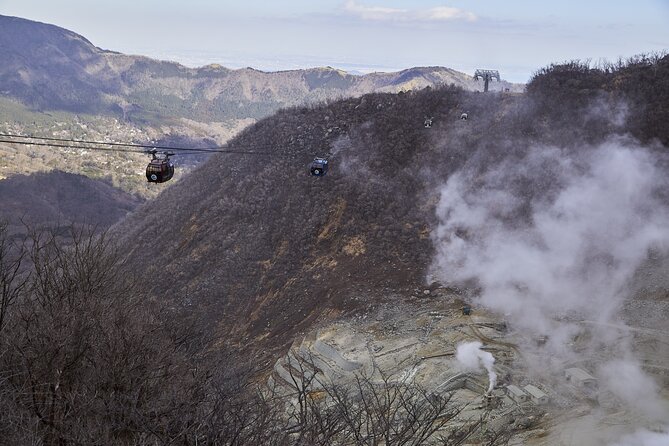
Hakone shifts the mood from coast and temples to volcanic scenery. The ropeway ride includes a foot bath and views from the mountain before your gondola travels down toward the next area. The listed ropeway cost is 2,000 yen and is not included.
This is one of the day’s best visual changes. You are not simply driving from one famous place to another. You are seeing Hakone from above, then from the water, with the old volcanic terrain between.
At Owakudani Valley, you make a brief 15-minute stop to see sulphur steam rising from the crater valley. You can try a kuro-tamago, or black egg, boiled in the sulphur springs. The stop is short, so treat it as a quick look and snack rather than a long walk.
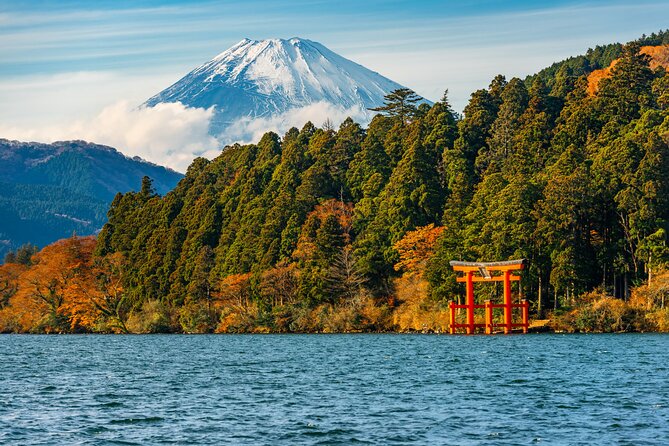
Next comes the pirate ship from Togendai Port across Lake Ashi. The cruise lasts about an hour and costs 1,700 yen, again not included. On a clear day, Mt. Fuji may appear beyond the lake, although the tour cannot control cloud cover.
Hakone Shrine dates from 757 and is set among large cedar trees. You can visit the forested shrine complex or see the torii gate at the edge of Lake Ashi. Thirty minutes is enough for a respectful visit and photographs, but not for lingering over every path.
The drive along the Lake Ashi Skyline gives you another chance at views of the Pacific, the lake, and Mt. Fuji. Deer and raccoon dogs may be visible, but wildlife sightings are not guaranteed. By the end of Day 1, you will have covered a lot of ground, so an early start and sensible footwear matter.
Day 2: Mt. Fuji villages, lava caves, and Shiraito Falls
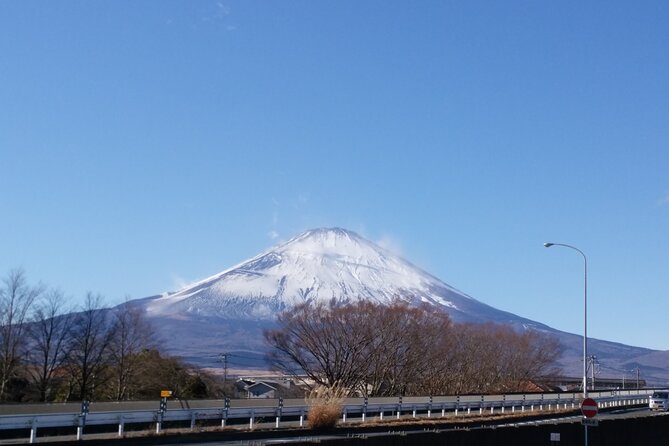
Day 2 is built around Mt. Fuji, but the mountain is never a sure thing. Clear mornings offer the best chance of seeing it, especially around Lake Kawaguchi and Oishi Park. If clouds settle in, the villages, shrines, caves, and waterfalls still give the day substance.
The first stop is listed simply as Fuji, where you can taste local specialties and see tea plantations. It is a brief 20-minute stop, useful for a snack and a look at the agricultural side of the region.
Oshino Hakkai is more substantial. Its eight clear ponds sit in a pretty folk-village setting with shops selling regional foods. You get about an hour. This is a good place to slow down slightly, browse, and photograph the water and traditional buildings.
Kitaguchi Hongu Fuji Sengen Jinja Shrine is another short stop, around 30 minutes. Set in a cedar forest at Mt. Fuji’s foot, it was traditionally the starting point for climbers. The forest setting gives you a strong sense of place, even if you are not attempting the mountain.
Oishi Park is all about the view. On a clear morning, Lake Kawaguchi frames Mt. Fuji especially well. The planned stop is only 20 minutes, so be ready with your camera and do not wander far from the vehicle.
A few more Narita trips to weigh up
- Hiroshima:Visit Tourist Pass(1, 2, 3day and 3day middlearea)
★ 4.0 · 98 reviews
Traditional houses and the Aokigahara forest
Saiko Iyashi no Sato Nemba provides one of the day’s most hands-on moments. The traditional village has thatched-roof houses, countryside views, and the option to dress in a kimono or samurai armor. Admission is 500 yen, not included.
I like this stop because it gives you more than a photograph of an old building. You can see how the village looks, try traditional clothing, and get a clearer feel for rural Japan. The one-hour visit is enough to enjoy it without turning the day into a museum crawl.
The Fugaku Wind Cave is a short visit to lava tubes at Mt. Fuji’s base. The natural refrigerator remains icy for much of the year, and the admission fee is 300 yen. Expect a cooler, more enclosed setting and potentially uneven footing.
Aokigahara Forest receives only about 10 minutes, so this is a brief walk rather than a full forest outing. The forest has an ominous reputation, but the practical point here is simple: stay with the guide and follow the marked route.
Shiraito Falls closes the Fuji-area sightseeing. A short walk leads to two striking waterfalls, with local snacks nearby. The 40-minute stop gives you a pleasant change from shrines, viewpoints, and vehicle time.
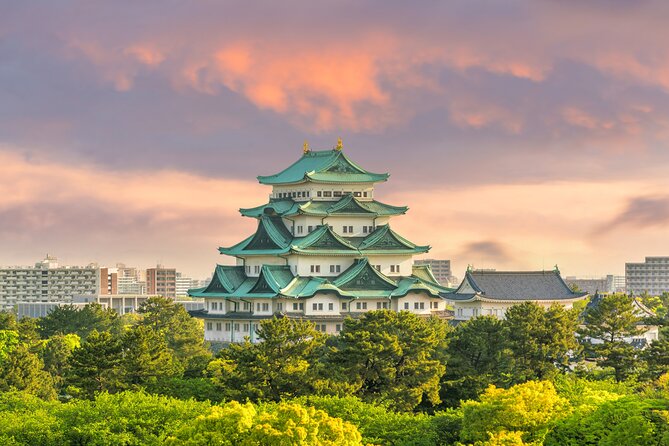
The evening is spent in Nagoya’s Sakae district, where you have about an hour to explore shops and restaurants. Dinner is not included. One hour is enough to get a taste of the area, but not enough for a serious visit to Nagoya’s museums or castle. Think of Nagoya as an overnight pause on the road to Nara and Kyoto.
Day 3: Nara deer and the Great Buddha
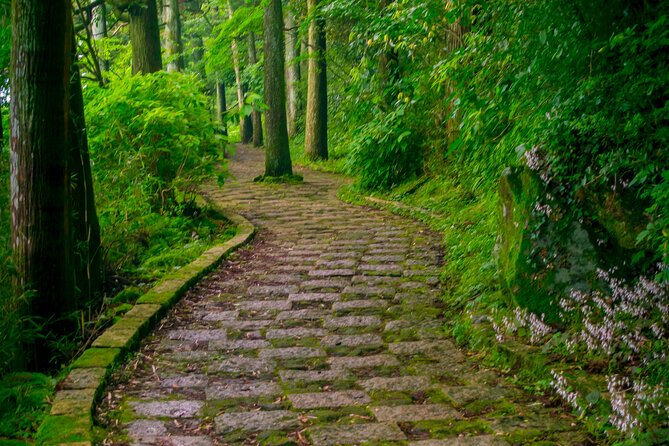
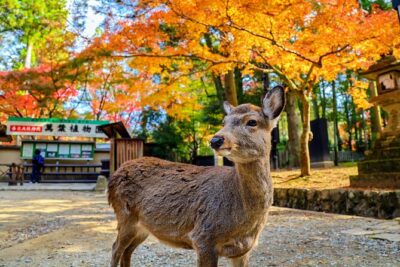
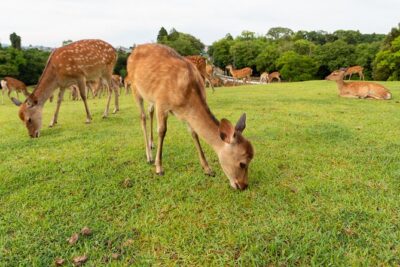
The final day begins with Nara Park and a guided two-hour walk. The deer are famously friendly and may approach for food, so keep your attention on them as well as the temples. The park is broad, and the walk gives you time to see Nara as a place of open grounds and old religious sites, not just a quick photo stop.
Todaiji Temple is the major cultural sight. Founded in 738, it houses the world’s largest bronze Buddha inside an enormous wooden building. Admission is 800 yen and not included.
The scale here is the point. Even if you have seen many Japanese temples, Todaiji’s huge timber structure and giant statue feel different. You get about an hour, which should cover the main hall and its major sculptures. If you want a slow, detailed look at every artwork, the schedule may feel tight.
Nara is one of the strongest parts of the tour because it combines an easy outdoor walk with one of Japan’s grandest religious buildings. You also get a taste of the old capital without having to arrange a separate day trip from Kyoto.
Kyoto’s temples without a full Kyoto day
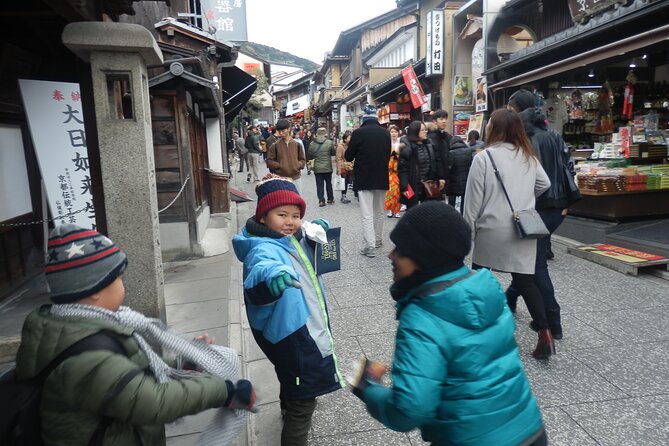
Kyoto arrives with Kiyomizu-dera Temple, one of the city’s most famous sights. The visit lasts about an hour, and the route is planned to avoid much of the crowding. That helps, but Kiyomizu remains a busy place, and nearby lanes can be crowded.
The traditional shops around the temple add interest. You can browse regional sweets and souvenirs, but keep an eye on the clock. The tour is not designed for an extended shopping session.
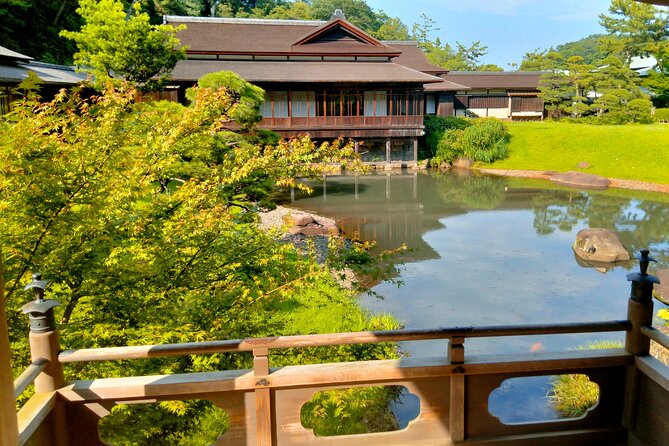
Entoku-in offers a smaller and calmer contrast. This was the family home and garden of Nene, Toyotomi Hideyoshi’s wife, built in 1605. You have about 40 minutes, with an optional short tea ceremony costing 1,300 yen.
The tea ceremony is worth considering if you want a cultural activity rather than another quick photograph. It is an extra charge, and the limited time means you should decide promptly.
Arashiyama Bamboo Forest is allotted an hour. The famous path can be crowded, but the setting remains unusual and photogenic. If the schedule gets squeezed, the guide may substitute a less crowded bamboo grove at Kotoku-in Temple.
That flexibility is useful. It shows why a guide-led road trip can work better than a rigid checklist. You may not see every planned stop in identical detail, but the day can be adjusted around traffic, crowd levels, and your interests.
Fushimi Inari-taisha Shrine completes Kyoto’s portion. More than 10,000 orange torii gates form a tunnel up the mountain, beginning near the main shrine buildings. Forty minutes is enough for the lower section and the famous gates, but not for climbing the entire mountain.
Wear shoes that can handle steps. The tour gives you a taste of Fushimi Inari’s main visual idea, not a complete hike.
Osaka after dark in Dotonbori
The route finishes in Dotonbori, Osaka’s famous entertainment district. You have about an hour to explore its back lanes, signs, restaurants, and nightlife.
Dinner is on your own, which is convenient here. You can choose what appeals to you rather than follow a fixed group meal. An hour gives you a first look, though you may wish for more time if Osaka food is a major goal.
Finishing in Dotonbori also makes the tour feel like a journey rather than a loop. You begin near Narita and end in one of Japan’s liveliest city centers, with a long chain of historic and scenic stops in between.
What the $1,310.55 price really covers
The cost is high for three days, but the comparison is not simply tour price versus train fare. You are paying for a vehicle, driver arrangements, tolls, parking, English-speaking guiding, two breakfasts, and three-star accommodation. You also avoid planning a route that crosses several regions and ends in another city.
Many major admissions remain extra. Budget for the Hakone ropeway at 2,000 yen, pirate ship at 1,700 yen, Saiko Iyashi no Sato Nemba at 500 yen, Fugaku Wind Cave at 300 yen, Todaiji at 800 yen, Kiyomizu-dera at 500 yen, and the optional tea ceremony at 1,300 yen.
Lunch and dinner are also separate. Food costs will depend on your choices, but you should not treat the advertised price as all-inclusive.
I see the best value for a first visit when time is limited and you want countryside between the headline cities. If you are staying in Japan for two or three weeks, you may prefer slower independent travel. If you have only a few days, the transport and route planning can justify the expense.
Who should book this fast-moving route
You should consider it if you want to cover a large section of Japan and prefer an English-speaking guide to explain cultural details along the way. It suits first-time visitors, families, and people who want assistance with transport.
The tour is described as suitable for all ages and fitness levels, and most people can participate. Still, you should be ready for frequent stops, temple grounds, walks, stairs, and long periods in the vehicle.
The small maximum group of 23 is another plus. It does not promise complete quiet or personal service, but it is more manageable than a large coach group. The tour can also be tailored to your interests, a useful feature if you care more about temples, food, scenery, or cultural activities.
The current rating is 5 out of 5 from 22 reviews, with 100 percent recommending it. The praise centers on flexibility, the full route, cultural explanation, and guide Matt’s help. That fits the design of the experience: it is strongest when you want a guide to help shape a very full schedule.
Cancellation terms are worth noting before you pay. You receive a full refund if you cancel at least six full days before the start. Cancellation two to six days ahead receives 50 percent, while cancellation within two days is nonrefundable.
Should you book the 3 Day Japan Highlights Tour?
Book this tour if your priority is seeing a wide slice of Japan in three days, from Kamakura’s Buddha to Dotonbori’s evening streets. You will get scenic variety, major temples, Mt. Fuji viewpoints, and a guide who can adjust the plan around your interests.
Skip it if you want long meals, unhurried temple visits, serious hiking, or several full days in Kyoto alone. The route is ambitious, and weather may hide Mt. Fuji even when everything else runs well.
For a short first visit, I find the combination compelling. Go in knowing that each stop is a sampler, not a full chapter. Bring comfortable shoes, keep some yen ready for admissions and food, and let the guide help you choose where to linger.
FAQ
Where does the tour start?
The tour starts at Narita Airport Terminal 2 and 3 Station. Pickup is also offered from hotels or ports of entry in Tokyo or Narita.
Where does the tour end?
The activity ends in a different location from the starting point. The final sightseeing stop is Dotonbori in Osaka.
How large is the group?
The tour has a maximum of 23 travelers.
Are meals included?
Two breakfasts are included. Lunches and dinners are not included.
Are attraction admissions included?
Several admissions are extra, including the Hakone ropeway, Hakone pirate ship, Saiko Iyashi no Sato Nemba, Fugaku Wind Cave, Todaiji Temple, and Kiyomizu-dera Temple. Some drives, public areas, and shrine visits are included or free.
Can I cancel for a full refund?
Yes. You must cancel at least six full days before the experience start time for a full refund. Cancellation two to six days before receives a 50 percent refund, and cancellation within two days is nonrefundable.
Just added around Narita
- Japan Unlimited WiFi Router – Narita Airport Pickup★ 3.5 · 15 reviews
- Shared Arrival Transfer : Narita International Airport to Hotel (Central Tokyo)★ 4.0 · 12 reviews
- For Narita Airport Users: Layover or Transit Guided Private Tour★ 5.0 · 22 reviews
- Airport transfer: Narita, Haneda (Tokyo), HND-NRT Airport shuttle★ 4.5 · 26 reviews
- Private Transfer from Narita Airport to Yokohama Port and City★ 4.5 · 17 reviews
- Tokyo Layover Tour with a Local – Private & Tailored to You★ 4.5 · 12 reviews
- Private Arrival Transfer : Narita International Airport to Central Tokyo City★ 4.5 · 12 reviews
- [Narita Airport Terminals 1, 2] 40-60km Sawara Itako Historic Bike Tour★ 5.0 · 13 reviews
Nara Day Trips, compared.
World Heritage Kyoto & Nara Uji Authentic Matcha Experience
Read our review →
Kyoto/Osaka: Nara, Fushimi Inari Taisha, Arashiyama Bus Tour
Read our review →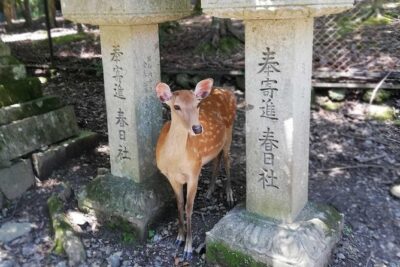
Nara Half Day Trip Walking Tour (Private Option Available)
Read our review →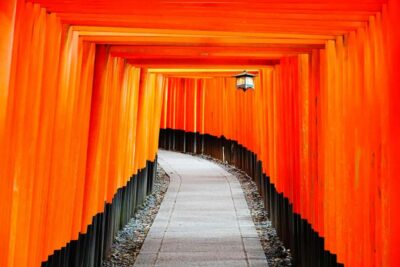
Osaka/Kyoto: Arashiyama, Nara & Fushimi Inari Shrine w/Lunch
Read our review →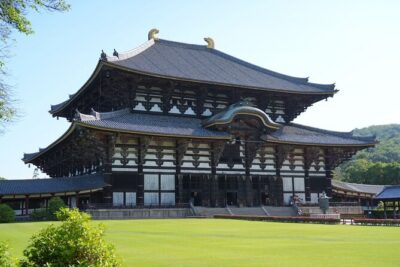
Nara Early Morning Tour (Kyoto or Osaka Departure Available)
Read our review →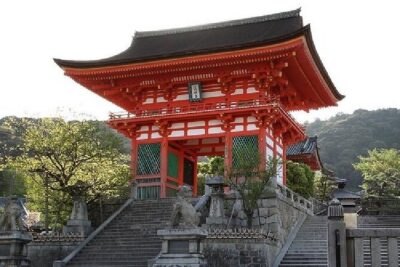
Full Day Guided Tour to Kyoto and Nara from Osaka by Van
Read our review →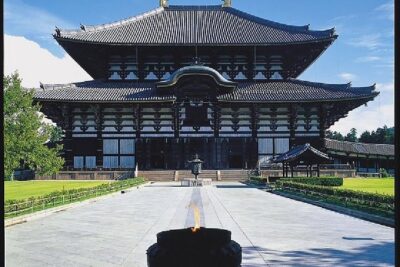
Browse the lists this tour appears in