
REVIEW · MOUNT FUJI DAY TRIPS
Tokyo: Instagram-Worthy Mt Fuji & Lake Kawaguchiko Day Trip
Mt. Fuji is a shy star. Clouds can cover its peak for hours, then open just long enough for a perfect photograph. This tour gives you several chances to catch it, from Chureito Pagoda and Oshino Hakkai to Lake Kawaguchi and the famous LAWSON convenience store view.
I like two things here: you do not need to build a complicated Fuji itinerary, and the stops offer very different kinds of scenery. Guides such as Hikari and Sakura have earned strong praise for clear explanations, humor, and helping with photo angles. The main drawback is the tight schedule. Traffic, long walks, and a large group can make the day feel rushed, while guide quality may vary.
In This Review
- Key points at a glance
- Why this Tokyo to Fuji day trip works
- Arakurayama Sengen Park and the 400-step climb
- Hikawa Clock Shop and the changing schedule
- Oshino Hakkai’s eight clear springs
- LAWSON Kawaguchiko Station and the famous convenience store photo
- Lake Kawaguchi and Oishi Park
- Maple Corridor from October 20 to November 20
- The guide can shape the whole day
- Timing, transport, and the return to Tokyo
- Weather, clothing, and smart preparation
- Who should book this Fuji outing?
- Final call
- FAQ
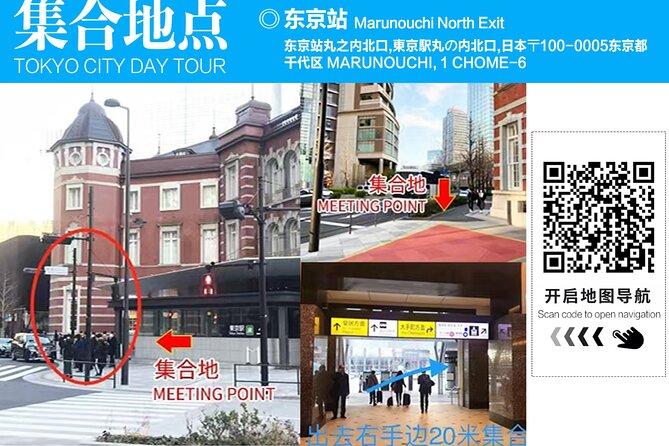
- Where does the tour begin?
- What time does the tour start?
- How long does the tour last?
- Where does the tour end?
- What is the maximum group size?
- Is Mt. Fuji guaranteed to be visible?
- What happens to the itinerary during autumn?
- Is Oishi Park visited all year?
- What is included in the price?
Key points at a glance
- Four major Fuji photo settings: Capture the mountain beside a pagoda, spring-fed ponds, a lake, and a classic Japanese convenience store.
- A useful day outside Tokyo: Pickup at Tokyo Station saves you from piecing together several train and bus connections.
- Seasonal scenery changes: Oishi Park is used for flowers during most of the year, while Maple Corridor replaces it around late October and November.
- Chureito Pagoda takes effort: You climb about 400 steps, and the walk must fit inside a one-hour stop.
- Guide quality matters: Hikari and Sakura receive especially warm praise, while one account found the commentary too brief and the pace too fast.
- Weather controls the headline view: You may see only part of Mt. Fuji, but several stops give the clouds time to move.
Why this Tokyo to Fuji day trip works
At $161, this is not the cheapest way to reach the Fuji Five Lakes area. You are paying for a full day of transport, a driver, a guide, parking, and a ready-made route. That can be fair value if you want to see several locations in one day without managing transfers.
The tour lasts about 10 hours and begins at 8:00 a.m. at Tokyo Station. The stated duration includes driving time, so you should not expect 10 full hours of sightseeing. Traffic can stretch the day to about 11 hours, and one account reported returning to Tokyo Station around 4:30 p.m. on an unusually early finish.
The vehicle carries up to 21 people. That keeps the group smaller than a giant coach tour, but it is still large enough that every stop runs by the clock. I would choose this outing for efficient sightseeing and photos, not for a slow, detailed study of local culture.
The tour is mobile-ticket based, and parking plus driver and guide fees are included. Food, dinner, personal purchases, and any separate admission charges are not included. The listed stops are generally free, while Arakurayama Sengen Park includes the stated admission ticket.
More mount fuji day trips in Tokyo:
- Mt Fuji and Hakone 1-Day Bus Tour Return by Bullet Train
★ 5.0 · 26,383 reviews - Mt Fuji & Hakone Cruise, Drum Show Bullet Train 1 Day from Tokyo
★ 4.0 · 7,413 reviews - Tokyo Mt Fuji 5th St & Hakone Cruise Bus Tour w/Bullet Train
★ 4.4 · 5,024 reviews
Arakurayama Sengen Park and the 400-step climb
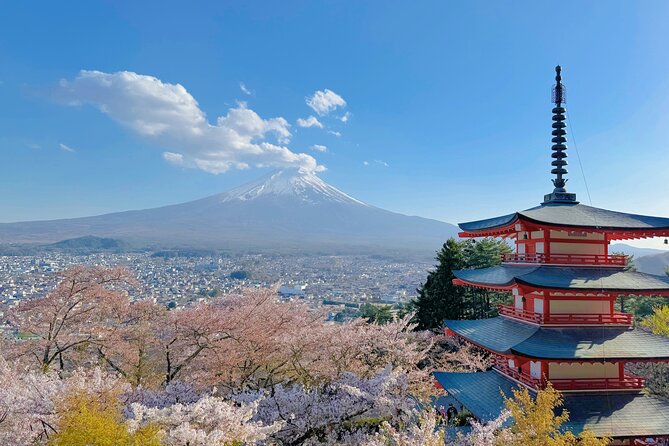
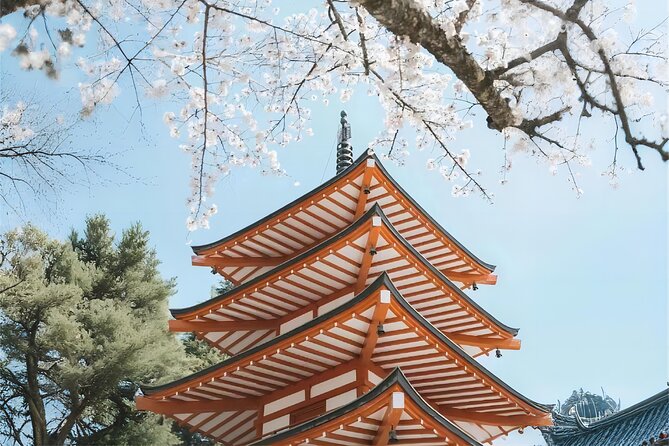
This is the classic Fuji photograph: five-story Chureito Pagoda in the foreground, Mt. Fuji behind it, and seasonal color filling the frame. It is the image many people carry in their minds before arriving in Japan.
The stop lasts one hour. Reaching the best viewpoint requires a climb of roughly 400 steps, so wear shoes with a firm sole and keep your camera gear light. The climb is manageable for many people, but you will need to budget energy for the rest of the day.
Mid-April is the cherry blossom period highlighted for this park. November brings autumn foliage, with the pagoda and mountain framed by red and gold leaves. The exact appearance depends on the season and weather, and the flowering or leaf dates can shift.
This is also the stop most affected by seasonal road controls. From April 1 through April 18, 2025, the plan is to skip Hikawa Clock Shop and give more time to Arakurayama Park because of cherry blossom traffic rules and the long walk from parking. That change makes sense if your priority is the pagoda view, but it means the published itinerary can change.
Give yourself time to climb, take the main photograph, and enjoy the view before heading back down. If you need a slower pace or have difficulty with stairs, this stop may be the hardest part of the day.
Hikawa Clock Shop and the changing schedule
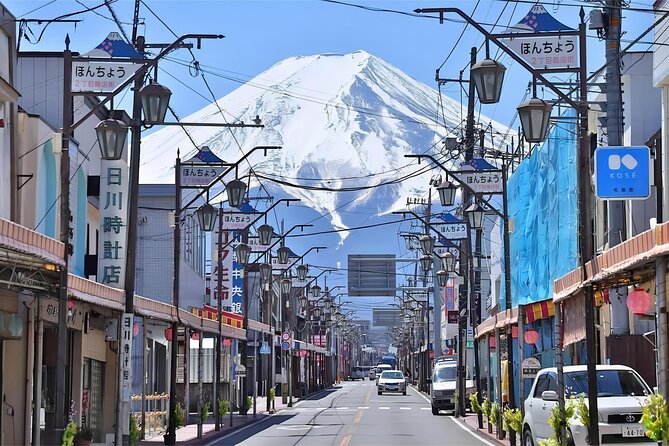
Hikawa Clock Shop is listed as a short 20-minute photo stop with no admission fee. Its appeal is the local street view toward Mt. Fuji, a setting that combines ordinary town life with the mountain in the distance.
The stop is not guaranteed during the April 1 to April 18, 2025 cherry blossom traffic period. The operator plans to remove it from the route so the group can spend longer at Arakurayama Sengen Park.
That is useful to know before you book because the itinerary is not identical in every season. If a quiet street photograph is important to you, check the operating plan for your date. If you mainly want the pagoda, the seasonal adjustment should not be a serious concern.
Oshino Hakkai’s eight clear springs
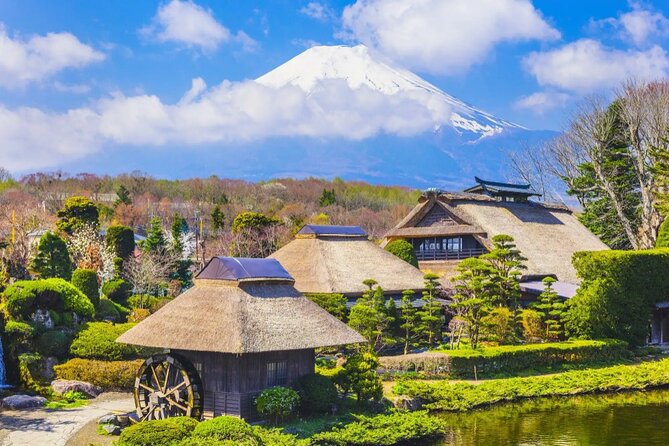
Oshino Hakkai gives the day a different rhythm. This natural site is made up of eight springs formed by snowmelt from Mt. Fuji. The water is the main attraction, with clear pools and a calmer village setting than the busier photo viewpoints.
You have about one hour and 20 minutes here, the longest stop on the route. That extra time matters. You can look into the spring water, take photographs, walk through the area, and find something to eat if you choose to buy food on site.
The area also offers a closer look at traditional Japanese scenery and local customs. Still, do not expect a long cultural talk automatically. Some guides provide useful explanations, while other accounts describe the day as mainly transportation between photo stops.
Food is not included, and prices around Mt. Fuji can be higher than in Tokyo. One meal purchase described in the tour feedback cost 1,500 yen for four nuggets and rice. You do not need to buy that exact meal, but the point is practical: bring a snack or set aside money for food rather than assuming lunch is covered.
A few more Tokyo trips to weigh up
- 1-Day Tokyo Bus Tour
★ 5.0 · 14,250 reviews - Tokyo Disneyland 1-Day Passport
★ 4.6 · 2,512 reviews - Tokyo Customized Private Tour (Must See Places in 1 Day)
★ 5.0 · 1,499 reviews - Tokyo Customized Private Tour: See Top Attractions in 1 Day
★ 5.0 · 1,351 reviews
LAWSON Kawaguchiko Station and the famous convenience store photo
LAWSON Kawaguchiko Station is a short stop, about 20 minutes, near Kawaguchiko Station. The view is famous because Mt. Fuji rises behind a familiar Japanese convenience store. It is a funny and very modern contrast, and it makes a good photograph precisely because it feels less formal than a shrine or park.
This stop works best when you already know what you want to frame. The time is brief, so you may need to move quickly, especially if other people are taking the same picture. Keep your camera ready and follow the guide’s directions about where to stand.
The mountain may be hidden when you arrive. That does not mean the whole day is lost. Mt. Fuji often appears and disappears behind cloud, and the route gives you several later chances.
Lake Kawaguchi and Oishi Park
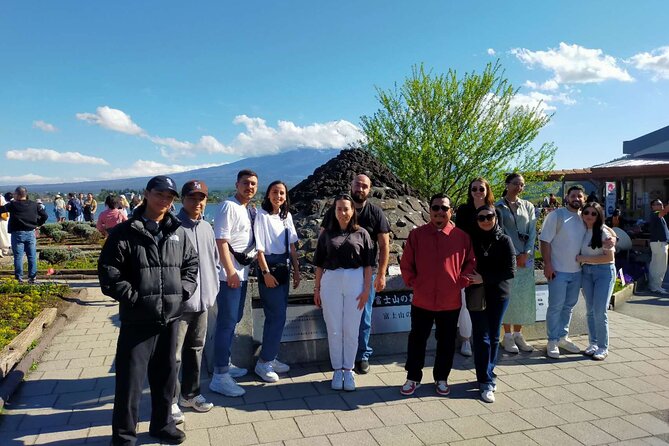
The Lake Kawaguchi portion brings open water and broad mountain views after the more enclosed spring and town stops. The itinerary lists Lake Kawaguchi Ohashi Bridge for about 50 minutes, while the accompanying description identifies Oishi Park as the usual finish during most of the year.
Oishi Park is known for seasonal flower displays, including lavender, begonia, cosmos, and Japanese blood grass. The flowers add color to photographs, but the real reason to value this stop is the combination of lake, open sky, and Mt. Fuji. On a clear day, it can be the most relaxed place to take in the scenery.
The stop is still short enough that you should not expect a long lakeside walk. Think of it as a scenic pause with time for photographs, a look across the water, and perhaps a little breathing room before the return drive.
Summer can be a mixed season for Fuji photographs. One account described a hot day with little snow on the mountain, but still found the lake scenery appealing. If a snow-covered summit is your main goal, winter and early spring offer a better chance of that look, though the weather remains unpredictable.
Maple Corridor from October 20 to November 20
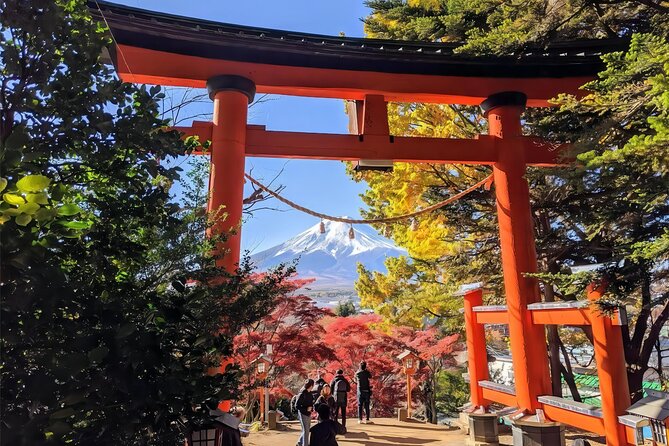
The autumn version of the itinerary replaces Oishi Park with Maple Corridor during the seasonal period listed as October 20 to November 20. Another schedule note gives approximately October 30 to November 20, so check the exact plan for your departure date.
This change puts red maple leaves around the lake and offers a different Fuji photograph from the flower season. Snow on the summit against autumn foliage can be striking, but the timing of peak color is never guaranteed.
The stop lasts about 50 minutes. That is enough for a walk and photographs, but not a long exploration of every lakeside path. If autumn color is your reason for booking, this seasonal substitution is a strong point. If you want Oishi Park’s flowers, choose a date outside the maple period.
The guide can shape the whole day
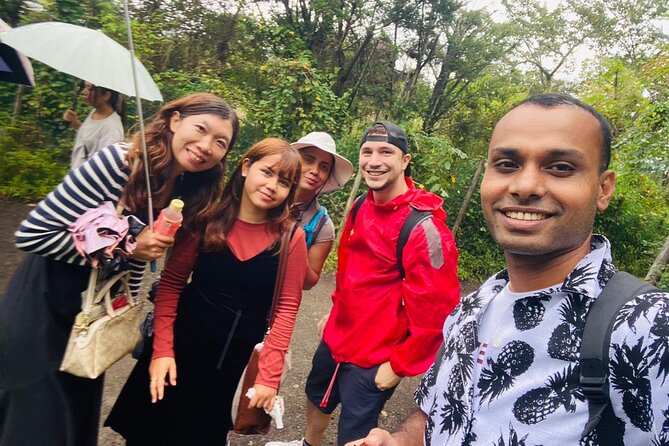
The most positive accounts give special credit to Hikari. He is described as funny, attentive, helpful, and good at pointing out photo angles. He also received praise for explaining each location clearly and keeping the group moving without losing sight of individual needs.
Sakura is another guide singled out for humor, helpfulness, and good English. These details matter because the tour depends on short explanations at several stops. A guide who gives context and tells you where to stand can turn a simple bus route into a more useful day.
You should also understand the possible variation. One account found the commentary too limited, with the trip feeling mainly like transportation and photography. Another described the pace as rushed. The group may include both English and Chinese speakers, and the time available for each language can affect how much English explanation you receive.
That does not make the tour a poor choice, but it changes what you should expect. Book it for the places and transport first. Treat the guide’s commentary as an important bonus, not the main reason to go.
Timing, transport, and the return to Tokyo
Starting at 8:00 a.m. from Tokyo Station gives the tour a practical early departure. Tokyo Station is a central meeting point near public transportation, but you should allow time to locate the exact meeting area before departure.
The total day includes the journey between Tokyo and the Fuji area. Traffic is the wild card. One account reported a day lasting roughly 11 hours and causing a 7:00 p.m. dinner reservation to be canceled. Do not schedule an important evening meal too tightly after the tour.
The return is to the original meeting point at Tokyo Station. A driver handles the route and parking, so you avoid the strain of driving in unfamiliar surroundings or changing between local buses. For a first visit to Japan, that convenience has real value.
The tradeoff is control. You cannot linger at the pagoda until the light changes or spend an entire afternoon at the lake. The group leaves together, and the route must keep moving.
Weather, clothing, and smart preparation
Mt. Fuji is not guaranteed to appear. Clouds can hide the peak, even when the lower slopes and lake are visible. Several stops improve your odds, and one account described the summit appearing briefly through low cloud, but no day trip can control the weather.
I would prepare for walking and changing conditions. Wear comfortable shoes for the stairs at Arakurayama Sengen Park and the paths around Oshino Hakkai. Carry water, a snack, sun protection in warm months, and a light extra layer for the lake area.
Bring a phone or camera with enough battery for repeated photographs. The tour is designed around picture stops, and you will probably take more shots than expected while waiting for the cloud to shift.
Children under three can join free if they do not occupy a seat. The tour is near public transportation, and most people can participate, but the stair climb and fast schedule may not suit everyone. The activity is specifically not recommended for people who require constant mental health supervision.
Cancellation is free with at least 24 hours’ notice. Inside 24 hours, the payment is not refunded, and late changes are not accepted.
Who should book this Fuji outing?
I would recommend it to you if you have one free day in Tokyo and want a broad sample of the Mt. Fuji area. It is especially useful for first-time visitors who want the pagoda, springs, lake, flowers or autumn leaves, and the LAWSON photo without planning several separate routes.
It also suits photographers who prefer multiple chances over one single viewpoint. If Fuji is hidden at the first stop, you still have Oshino Hakkai, Kawaguchiko, and the final scenic stop ahead.
I would hesitate if you want detailed history, long walks, or a relaxed pace. You may find the day too compressed, and the cultural explanation depends heavily on the guide. I would also avoid booking a fixed evening reservation in Tokyo because traffic can delay the return.
For $161, the value rests in convenience and coverage. You are paying to reach several scattered places in one day, with parking and a guide included. You are not paying for meals, a private tour, guaranteed Fuji views, or deep time at each stop.
Final call
Book this tour if your priority is seeing many Fuji photo locations in one organized day. The route is attractive, the seasonal changes are useful, and guides such as Hikari and Sakura can add real warmth and helpful direction.
Skip it if you prefer independent travel, want long cultural explanations, or dislike being moved along by a group schedule. For the best chance of a clear summit, choose a date with the scenery you want, keep your evening open, and arrive ready for stairs, traffic, and a mountain that may reveal itself only for a few minutes.
FAQ
Where does the tour begin?
It begins at Tokyo Station, at 1 Chome-9 Marunouchi, Chiyoda City, Tokyo 100-0005, Japan.
What time does the tour start?
The stated start time is 8:00 a.m.
How long does the tour last?
The tour lasts approximately 10 hours, including travel time. Traffic can make the day longer.
Where does the tour end?
The activity ends back at the Tokyo Station meeting point.
What is the maximum group size?
The tour can include up to 21 people.
Is Mt. Fuji guaranteed to be visible?
No. Cloud can cover the mountain, and visibility changes during the day. The route includes several viewpoints to give you more chances to see it.
What happens to the itinerary during autumn?
From approximately late October to November 20, the tour visits Maple Corridor instead of Oishi Park to show the autumn maple leaves.
Is Oishi Park visited all year?
Oishi Park is the usual destination during most of the year, with flower displays including lavender, begonia, cosmos, and Japanese blood grass. It is replaced by Maple Corridor during the autumn period.
What is included in the price?
Parking fees and the driver and guide service fee are included. Children under three are free if they do not occupy a seat. Dinner, personal purchases, and other costs are not included.
Just added around Tokyo
- Private Memorable Tokyo Tour with English Speaking Driver★ 5.0 · 30 reviews
- Private Tokyo Custom Full-Day Tour by Chartered Vehicle★ 5.0 · 16 reviews
- Private Sightseeing to Mt Fuji and Hakone with English Driver★ 5.0 · 51 reviews
- Tokyo Photography Masterclass – Private Photography Lesson★ 5.0 · 25 reviews
- 4 Day Tour – Mount. Fuji, Tokyo, Hakone, Kamakura and Yokohama★ 5.0 · 19 reviews
- Private Mt. Fuji Day Trip from Tokyo with English-Speaking Driver★ 5.0 · 33 reviews
- Private Unforgettable Mt Fuji Tour with English Speaking Driver★ 5.0 · 142 reviews
- Private Tokyo Food Tour – A Journey Through Time Through Food★ 5.0 · 36 reviews
Mount Fuji Day Trips, compared.
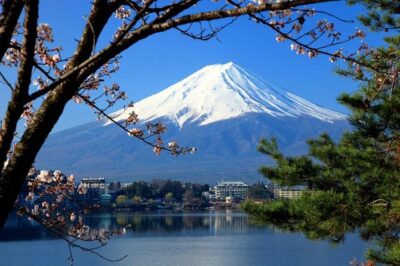
Mt Fuji and Hakone 1-Day Bus Tour Return by Bullet Train
Read our review →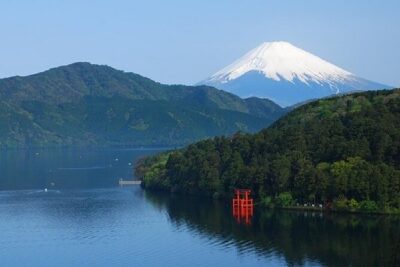
Mt Fuji & Hakone Cruise, Drum Show Bullet Train 1 Day from Tokyo
Read our review →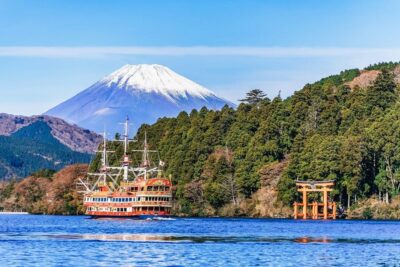
Tokyo Mt Fuji 5th St & Hakone Cruise Bus Tour w/Bullet Train
Read our review →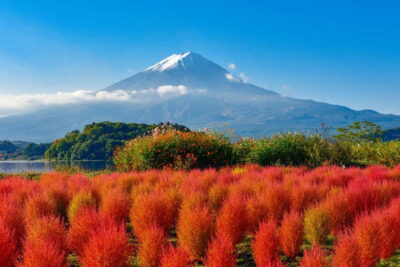
Mt. Fuji Tour, Hakone Ropeway, Owakudani, Lake Ashi
Read our review →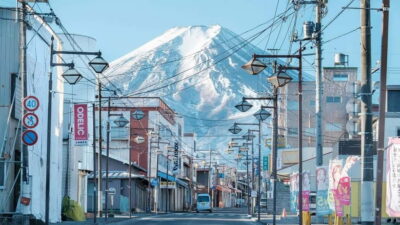
Mt Fuji Top 5 Spots Day Tour: Arakurayama Park,Oshino Hakkai
Read our review →
Private Tour to Mt. Fuji and Hakone (Fully Licenced Operator)
Read our review →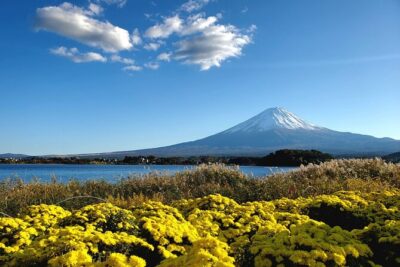
Mount Fuji Full-Day Private Tour from Tokyo (Customizable)
Read our review →Browse the lists this tour appears in