
REVIEW · KANAZAWA TOURS
Kanazawa: Private Tour with Local Guide
Kanazawa is easiest to understand with a local guide who can connect its feudal castle town, fine gardens, samurai streets, geisha quarters, and craft traditions in one well-planned walk. I like the freedom to choose your start time and interests, and I like that guides such as Yoshi, Sachi, Sho, and Tomoko adjust the pace to suit each private group.
The main consideration is cost: at $119 per person, entrance fees, meals, and transport are extra. The walking format can also mean a long day on your feet, although guides have used city buses to save time and have adapted routes for visitors with back problems.
In This Review
- Key points at a glance
- Why a private walk works well in Kanazawa
- Kenroku-en: start with Kanazawa’s famous garden
- Kanazawa Castle Park and the rebuilt castle
- Omicho Market, Kanazawa’s kitchen
- Higashi Chaya and the geisha tradition
- Samurai streets and Kanazawa’s social order
- How much can you cover in four or six hours?
- What the guides add
- Price, extra costs, and practical value
- Who should book this Kanazawa tour?
- FAQ
- How long is the private Kanazawa tour?
- Where does the tour begin?
- Can I choose the itinerary?
- Which languages are available?
- Are entrance fees and lunch included?
- Is transportation used during the tour?
- Can I cancel for a full refund?
Key points at a glance
- Kenroku-en in every season: See one of Japan’s Three Great Gardens, with autumn color and snowy paths offering very different moods.
- A private route built around you: Choose gardens, castles, samurai history, geisha culture, markets, or traditional arts instead of following a fixed group schedule.
- Local help with city buses: Guides can help you cover more ground, buy a bus day pass, and avoid wasting time finding the right stop.
- Kanazawa’s food and craft traditions: Pair Omicho Market with Kaga Yuzen fabrics, local folkcraft shops, miso stores, rice shops, and wagashi sweets.
- Strong English-language guiding: Several named guides, including Yoshi, Sho, Sachi, and Junko, have been praised for clear English, patience, and thoughtful planning.
- A good option in bad weather: The tour runs rain or shine, and one family used buses and saw major sights during a snowstorm.
Why a private walk works well in Kanazawa
Kanazawa has a compact collection of major sights, but they do not all feel like parts of one obvious route. Kenroku-en sits beside Kanazawa Castle Park, while the samurai and geisha districts require more planning. Omicho Market fits naturally into the day, but deciding where to eat, which streets to prioritize, and when to use a bus can take time.
That is where this experience earns its keep. You meet your guide at your hotel, usually in the lobby 10 minutes before the scheduled pickup, and begin with a plan shaped around your interests. You can request the major sights, ask for more time with gardens or crafts, or let the guide arrange the route.
I especially like this format for a first visit or a short stay. You get a local introduction without committing to a large group or a rigid timetable. A guide can explain what you are seeing as you go, then point you toward places to revisit later on your own.
The tour lasts either four or six hours. Four hours is enough for a focused introduction, especially if you use buses between areas. Six hours gives you room for the main garden and castle pair, lunch at Omicho Market, and a walk through one or two historic districts.
A few more Kanazawa trips to weigh up
- Kanazawa Half Day Tour (Private Guide)
★ 5.0 · 361 reviews - Kanazawa Full Day Tour (Private Guide)
★ 5.0 · 323 reviews - 1 Day Private Charter Tour to Shirakawa-go & Takayama
★ 4.5 · 253 reviews
Kenroku-en: start with Kanazawa’s famous garden
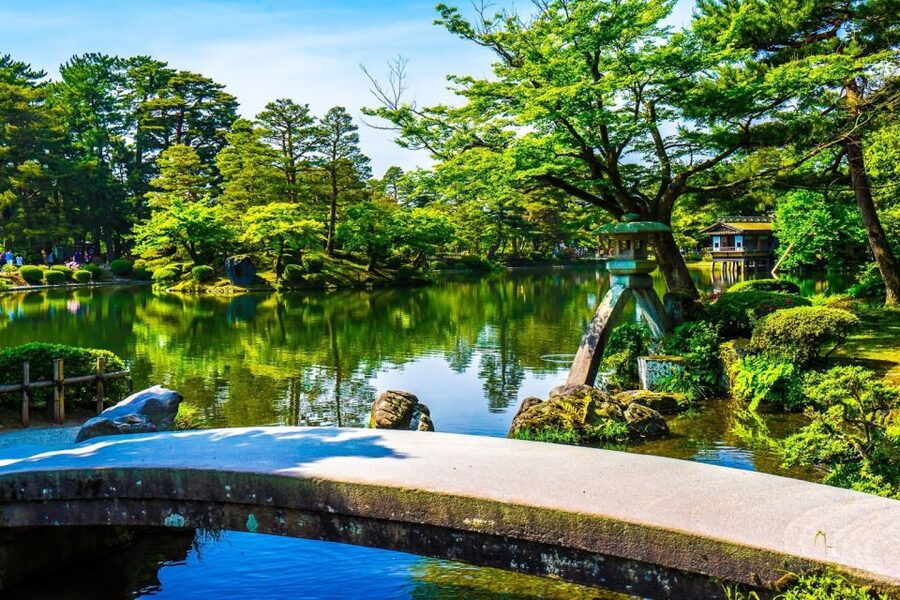
Kenroku-en is the natural opening for a classic Kanazawa route. It is one of Japan’s Three Great Gardens, and the appeal comes from its carefully arranged ponds, paths, trees, garden buildings, and changing views. The garden was developed over many years for the feudal lord of the area, so this is not a quick public park stop. It reflects the deliberate style of an elite residence.
Your guide can make the garden easier to read. Without context, you may simply see attractive ponds and well-kept trees. With an explanation of the garden’s design and its connection to the ruling family, the place becomes a window into the tastes and status of the former Kaga domain.
Season matters here. The fall color has been described as spectacular, while snow gives the garden a quieter, softer appearance. The tour operates in all weather, so bring cash and dress for the forecast. Rain or snow can slow a walking route, but it also changes the feel of Kenroku-en rather than making the stop pointless.
The drawback is that the garden requires steady walking. If you have back or mobility concerns, tell your guide before the tour. One guide adjusted the pace patiently for a visitor with back problems, and the private format makes that kind of change far easier than it would be in a fixed group.
Entrance fees are not included, so keep cash available. The same applies to food, drinks, and any bus or other transport used during the tour.
Kanazawa Castle Park and the rebuilt castle
From Kenroku-en, the usual route continues to Kanazawa Castle Park. The castle buildings and gardens have been reconstructed accurately in recent years, giving you a strong sense of the site without pretending that every structure survived intact.
This is an excellent place to ask questions about the castle town itself. A good guide can explain how the castle shaped Kanazawa’s neighborhoods, social order, and arts. The value here is not only the buildings. It is seeing how the garden, castle grounds, merchant areas, samurai quarters, and entertainment districts fit into the city’s older plan.
The castle stop also balances Kenroku-en nicely. The garden shows refined design and leisure, while the castle park points to administration and military power. In a six-hour itinerary, the two sites provide the clearest introduction to Kanazawa’s past.
Still, do not expect a completely original castle interior. The reconstructions are a strength for understanding the site, but visitors who want only untouched historic structures may find the experience less satisfying. Your guide can help explain what has been rebuilt and why the reconstruction matters.
Omicho Market, Kanazawa’s kitchen
Omicho Market is the practical food stop in the sample route. It is known for fresh fish and local vegetables, and it gives you a chance to see what Kanazawa eats rather than only what it preserves for sightseeing.
Lunch is not included, and you choose and pay for your own food. That is useful if your group has different tastes or budgets, but it means you should not treat the $119 price as an all-inclusive day out. Ask your guide for a lunch suggestion, as Kako did for one group, or let the guide help you make sense of the market’s many choices.
I like having the market in the middle of the tour. After a morning of gardens and castle buildings, food gives the day a natural break. It also adds a local, everyday side of Kanazawa to the grand historic sights.
The market can take as much or as little time as you want. If you have only four hours, you may prefer a quick look or a brief meal before moving on. With six hours, you can slow down and sample more. Your guide can help keep lunch from swallowing the rest of the itinerary.
Same city, a completely different kind of day:
- World Heritage Shirakawa-go and Experience Tours from Kanazawa
★ 5.0 · 4,049 reviews - Kanazawa: Kenrokuen Tea Ceremony Experience
★ 4.8 · 1,139 reviews - [One-day bus tour departing from Kanazawa Station] Shirakawa-go and Gokayama – Two World Heritage Villages Enjoyable Bus Tour
★ 5.0 · 253 reviews - World Heritage Shirakawa-go Perfect Guided Tour from Kanazawa
★ 5.0 · 220 reviews
Higashi Chaya and the geisha tradition
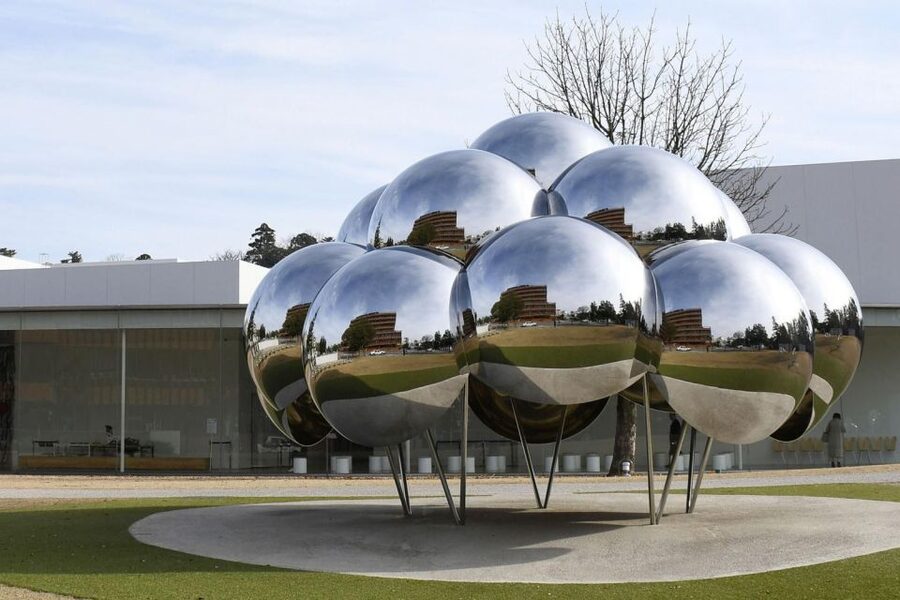
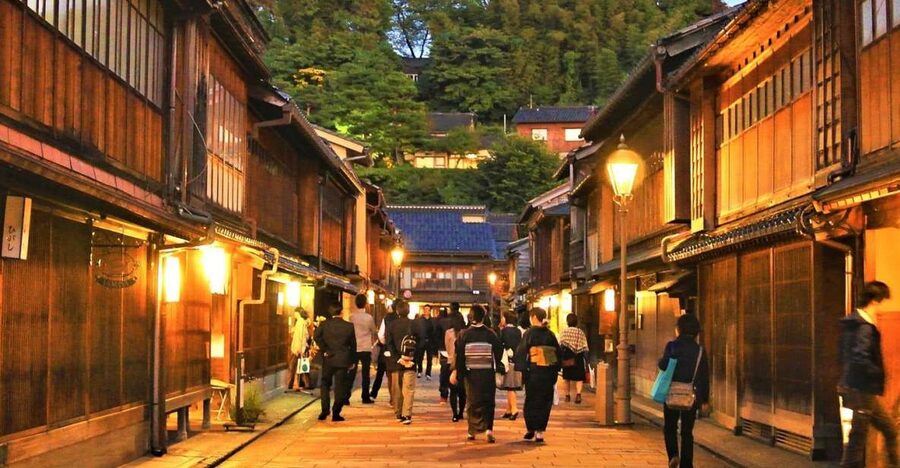
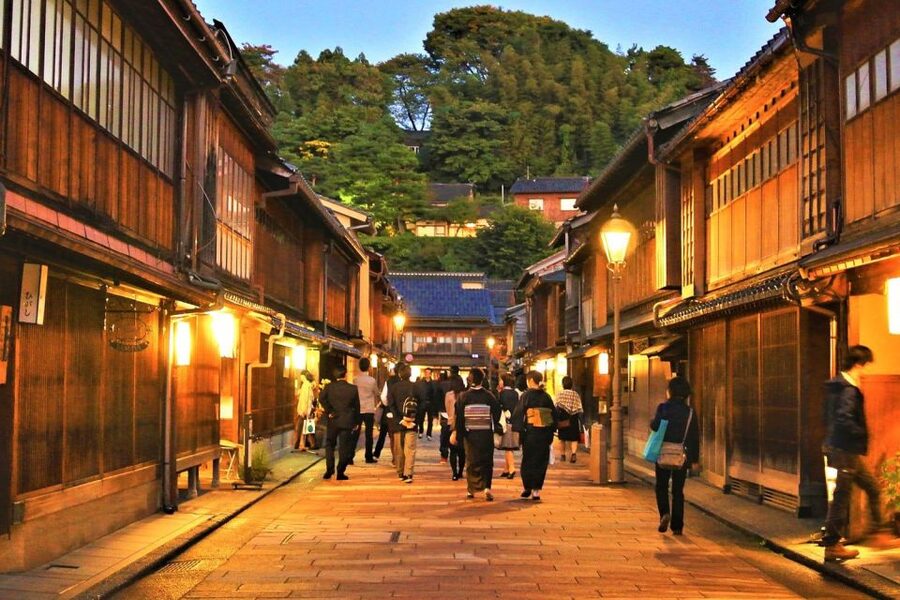
The Higashi Chaya district brings a different mood. Its streets retain the grace of the Edo Era, with traditional buildings, teahouses, shops, and carefully maintained facades. This is where a guide’s explanation adds real value, since the district is easy to photograph but harder to understand from the outside.
You may pass miso stores, rice shops, and shops selling wagashi confections. These details show that the area is more than a preserved street for photos. The food and shop traditions help you see how local life and entertainment culture developed side by side.
Some guides also take groups to stores connected with Kanazawa folkcraft and Kaga Yuzen, the local art of dyed fabrics. These visits suit anyone interested in textiles, design, or handmade work. Ask for this focus when you arrange the tour, since a fully custom route depends on what you tell the provider and guide in advance.
A useful detail comes from the way some guides manage timing. One guide helped a visitor enter a geisha house event just before closing, thanks to local connections and quick decisions. That is not something you should count on, but it shows why a local guide can sometimes make a short visit more rewarding.
The geisha district is not a stage set where every building is open to the public. Much of the pleasure comes from walking respectfully through the streets and learning how the teahouses functioned. Your guide can help you separate public shops and displays from private spaces.
Samurai streets and Kanazawa’s social order
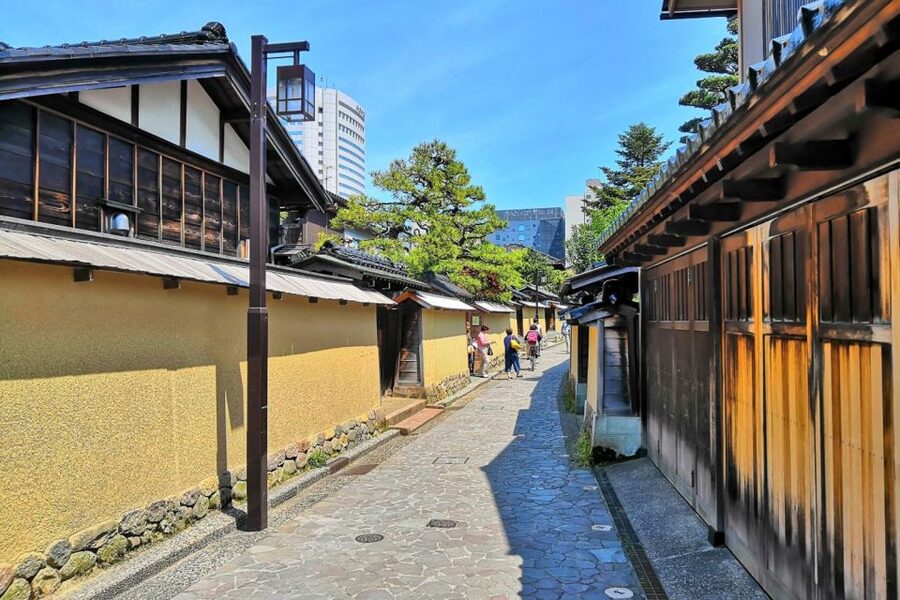
The route can also include the samurai quarter. This is a smart choice if you want more than the standard garden-and-castle pairing. The district helps explain the lives of the warrior class and the way Kanazawa was organized under feudal rule.
A guide can point out how the neighborhood differs from the geisha district and why those differences matter. One private tour covered the samurai and geisha quarters together, explaining the customs and history of both. That pairing lets you compare two very different parts of old Kanazawa in one afternoon.
The samurai area is best for visitors who like social history, architecture, and details about how people lived. It may be less compelling if your priority is food or modern city life, so tell the guide what you want before the day begins.
How much can you cover in four or six hours?
A six-hour day can reasonably follow this pattern:
- Hotel pickup and a short discussion of your priorities
- Kenroku-en
- Kanazawa Castle Park and the castle
- Lunch at Omicho Market
- Higashi Chaya or another historic district
- Time for samurai streets or local craft shops, depending on pace
This is a full program. You will cover a lot of ground, and public transport may be useful. Guides have helped visitors buy bus day passes and use city buses to reduce walking and reach more areas in less time.
A four-hour tour needs sharper choices. You might pair Kenroku-en and the castle with either Omicho Market or one historic district. You can also focus on samurai and geisha culture, then add a market stop if time allows.
Do not expect to see every major area in depth during four hours. The benefit is that your guide can choose a sensible order and prevent you from losing time with maps, bus routes, or long detours. If Kanazawa is a stop between trains or part of a busy Japan itinerary, four hours may be the better fit.
The guide contacts you to confirm the plan, but the booking is not fully confirmed until that contact takes place. Most guides make contact within seven days. Share your hotel, preferred start time, interests, walking limits, and any lunch requests as early as possible.
What the guides add
The strongest part of this tour is the person leading it. The guide roster can vary, but several names appear repeatedly in the experience details: Yoshi, Sachi, Sho, Tomoko, Junko, Kako, Yuki, and Masayo.
Yoshi is a good match if you want clear English, broad knowledge of Kanazawa, and a friendly style. He has guided groups through snow, suggested ways to use limited time, and adapted routes to individual requests.
Sho has been especially attentive during advance planning. He contacted a group well before the tour date to shape an itinerary around its interests. He also helped with a bus day pass, which saved walking and made the city easier to navigate.
Sachi has led groups through the samurai quarter, castle, gardens, and other major areas. Kako has helped arrange a well-timed itinerary and a lunch stop. Junko has been described as patient and flexible, while Yuki has helped with unexpected train problems as well as the tour itself.
These details matter because private guiding is only as good as the match between your goals and the person in front of you. The provider offers English and Japanese, but the exact guide is not guaranteed in advance. Use the pre-tour contact to explain what kind of day you want.
Price, extra costs, and practical value
The listed price is $119 per person for a private four or six-hour tour. That is not cheap compared with joining a larger walking group, but the comparison is not quite fair. You are paying for a personal guide, hotel pickup on foot when your accommodation is within a reasonable distance, route planning, and the ability to change the pace.
The value is strongest for couples, families, and small groups who want to see several parts of Kanazawa without spending time sorting out buses and neighborhoods. It is also useful if you have only one day and want a guide to make smart choices.
Budget separately for:
- Entrance fees
- Lunch and other food
- Bus, train, taxi, or other transport used during the tour
- Transportation to the meeting point if you are not within the pickup area
The guide may use public transport, but those fares are not included. Private transport can also be arranged at an additional cost. Ask about this before the day if walking or buses will be difficult for your group.
The tour is wheelchair accessible, but the actual route should still be discussed in advance because the experience is primarily a walking tour. The private setting gives you room to request adjustments.
Who should book this Kanazawa tour?
I would choose this experience if you want history explained in plain English, prefer a private pace, or have a short window in Kanazawa. Families benefit from being able to pause, change the route, and avoid dragging everyone through sights that do not interest them.
It also suits visitors who want a mix of famous places and smaller local details. You can see Kenroku-en and the castle, then turn toward miso shops, rice stores, craft studios, samurai streets, or the geisha quarter.
You may want a different option if you prefer to explore entirely on your own, dislike paying extra for entrances and transport, or want a fixed tour with a guaranteed set of stops. The exact guide is assigned later, so you should also be comfortable with some uncertainty about who will lead the day.
Book this tour if your priority is a well-shaped introduction to Kanazawa rather than a bargain walking route. Choose six hours for the full garden, castle, market, and historic-district experience. Choose four hours for a focused route, and tell the guide exactly what you want to see.
FAQ
How long is the private Kanazawa tour?
You can book either a four-hour or six-hour private tour. The available start times depend on the date and schedule.
Where does the tour begin?
Your guide can meet you at your accommodation on foot if it is within a reasonable distance. The guide waits in the hotel lobby 10 minutes before the scheduled pickup time.
Can I choose the itinerary?
Yes. The tour is customizable. You can request specific sights and interests, choose the start time, and tell the provider where you are staying. You can also let the guide plan the route.
Which languages are available?
The tour is offered in English and Japanese. The exact guide is confirmed before the experience.
Are entrance fees and lunch included?
No. Food, drinks, entrance fees, and transportation costs during the tour are not included.
Is transportation used during the tour?
The experience is primarily a walking tour, but buses or other transport can be arranged at an additional cost. Bus fares are not included. Guides have helped visitors use city buses and buy a day pass.
Can I cancel for a full refund?
Yes. You can cancel up to 24 hours before the tour begins for a full refund. You can also reserve now and pay later, subject to the booking terms.
Just added around Kanazawa
- Shirakawa-go, Gokayama & Takayama Private Tour From Kanazawa★ 4.7 · 21 reviews
- From Kanazawa/Toyama: Shirakawago and Takayama Day Tour★ 4.7 · 82 reviews
- Kanazawa:Traditional Experience -kimono rent at wargo★ 4.7 · 30 reviews
- Kanazawa: Samurai Swordsmanship Lesson at a rented temple★ 5.0 · 21 reviews
- Kanazawa: Private Food Tasting Walking Tour★ 4.7 · 25 reviews
- Kanazawa Historic Brewery: Fermentation Tour, Tasting, Lunch★ 4.9 · 15 reviews
- Kanazawa: Private Custom Tour with Local Guide★ 4.9 · 20 reviews
- Kanazawa: City Highlights & Hidden Gems Private Walking Tour★ 4.8 · 42 reviews
Kanazawa Tours, compared.
World Heritage Shirakawa-go and Experience Tours from Kanazawa
Read our review →

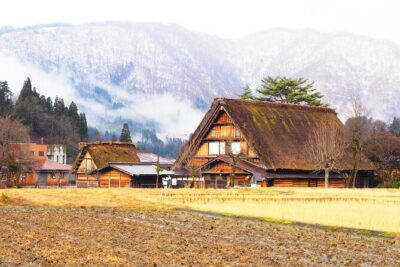
![[One-day bus tour departing from Kanazawa Station] Shirakawa-go and Gokayama – Two World Heritage Villages Enjoyable Bus Tour](https://f.bestjapantours.com/wp-content/uploads/one-day-bus-tour-departing-from-kanazawa-station-shirakawa-go-and-gokayama-two-world-heritage-villages-enjoyable-bus-tour-400x267.jpg)
[One-day bus tour departing from Kanazawa Station] Shirakawa-go and Gokayama – Two World Heritage Villages Enjoyable Bus Tour
Read our review →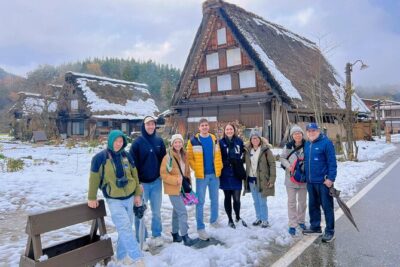
World Heritage Shirakawa-go Perfect Guided Tour from Kanazawa
Read our review →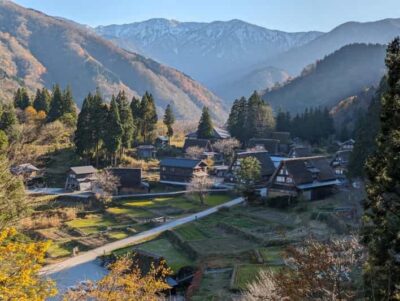
Browse the lists this tour appears in