
REVIEW · MOUNT FUJI DAY TRIPS
Hakone Full-Day Private Tour(Tokyo DEP.) with Government-Licensed Guide
Hakone’s appeal is its mix of volcanic scenery, mountain transport, art, and old Japanese worship in one long day from Tokyo. With a private licensed guide, you can shape the outing around three or four sights instead of trying to decode the area’s trains, buses, ropeway, and ferry connections alone.
I like the flexible plan and the chance to ask for a guide who can explain local customs as you go. I also like the strong guide service, with names such as Michio, Yoshi, Taka, Nobu, and Yasuko appearing in the experience’s guide pool. The main catch is simple: the $279.17 price covers the guide, not your trains, local transport, meals, or entrance fees.
In This Review
- Key points to know before booking
- Why a private Hakone day trip can work so well
- The Tokyo to Hakone journey and the cost of the day
- Lake Ashi and Hakone Shrine: the classic opening
- Ropeway and Owakudani: Hakone’s volcanic side
- Hakone’s museums, from giant sculpture to Japanese painting
- Gardens, temples, and smaller specialty stops
- Matching three or four stops to your interests
- What the guides add to the experience
- Who should book this private tour?
- Should you book the Hakone private day trip?
- FAQ
- How long does the Hakone private tour last?
- Where can I meet the guide?
- Is this a private tour?
- How many Hakone sights can I choose?
- Is transportation from Tokyo included?
- Is a private vehicle included?
- Are meals included?
- Is the Hakone Freepass included?
- Are entrance fees included?
- Can I cancel for a full refund?
Key points to know before booking
- Pick three or four Hakone sights: You can focus on scenery, museums, temples, or the classic volcanic route.
- Expect a walking pickup: Your guide meets you on foot within the designated Tokyo area, not in a private car.
- Plan for about 5,000 yen in round-trip train costs: Your Tokyo to Hakone transportation is separate.
- Owakudani adds real volcanic character: See steaming geothermal ground and try the famous black eggs.
- Mount Fuji views depend on conditions: Lake Ashi and Hakone’s higher areas can offer fine views, but no guide can control clouds.
- The guide can simplify a complicated day: Hakone may involve several changes between trains, buses, cable cars, and the ropeway.
Why a private Hakone day trip can work so well
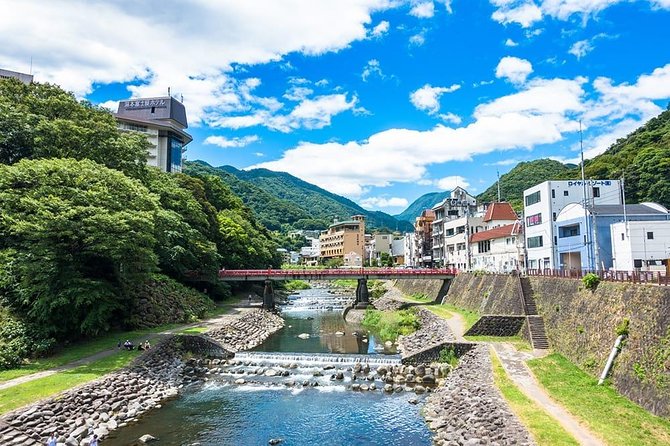
Hakone is close enough to Tokyo for a day trip, yet it feels far removed from the capital. The area circles Mount Hakone, a volcano whose old caldera holds Lake Ashi. Hot springs, forested hills, shrines, art museums, and open-air views fill the region.
The difficulty is movement. Hakone’s attractions are spread across several areas, and the most enjoyable route may involve more than one form of transport. A guide can help you decide what is realistic in a 10-hour day and keep you from spending the whole outing studying station signs.
This is not a private-car tour. You meet the guide on foot at your Tokyo hotel, port, airport, or another approved location, then pay for the trains and local transportation as you go. That arrangement keeps the experience closer to an ordinary Japanese day out, but it also means you need to be ready for walking, transfers, and public transport.
The private format is useful for families, couples, and small groups with different interests. You can choose a museum-heavy day, a scenic day, or a route built around Hakone’s famous hot volcanic areas. You are not sharing the guide with another group, and the guide can adjust the pace within the limits of the day.
More Private Guided Tours with Driver in Tokyo
- Tokyo 6hr Private Tour with Government-Licensed Guide
★ 5.0 · 3,902 reviews - Tokyo 4hr Private Tour with Government-Licensed Guide
★ 5.0 · 1,394 reviews - Mt Fuji Private Tour with English Speaking Driver
★ 5.0 · 861 reviews
The Tokyo to Hakone journey and the cost of the day
The advertised price is $279.17 per person. That can be fair if you value personal guidance and need help with a complicated region, especially when several people are sharing the guide service. It is less attractive if you are already comfortable with Japanese transport and only want a few scenic stops.
Budget separately for round-trip train travel from Tokyo, listed at about 5,000 yen per person. You also pay local transportation inside Hakone, admission to paid sights, lunch, and personal purchases. The Hakone Freepass is not included.
Because the tour lasts about 10 hours, the day can feel full even before you add a long museum visit. Your guide will help, but you should not plan all 16 possible stops. The experience is designed around approximately three or four choices. That limitation is a benefit, not a flaw, since trying to visit every listed place would turn the day into a race.
A good plan might pair Lake Ashi, Hakone Shrine, and Owakudani with the ropeway. Another could focus on the Open-Air Museum and Gora Park, with time for a shrine or garden. The right choice depends on weather, opening hours, transport conditions, and your interests.
Lake Ashi and Hakone Shrine: the classic opening
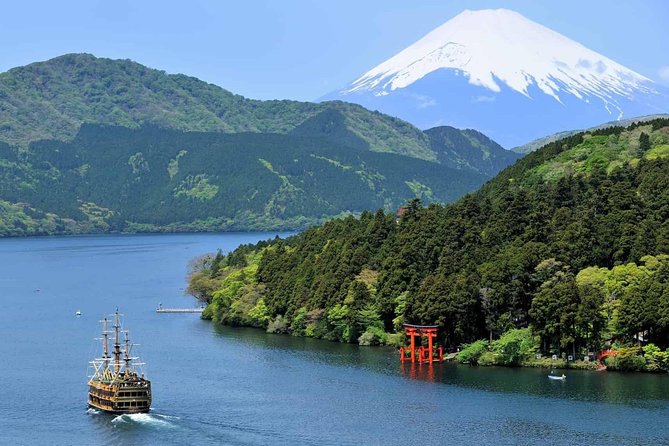
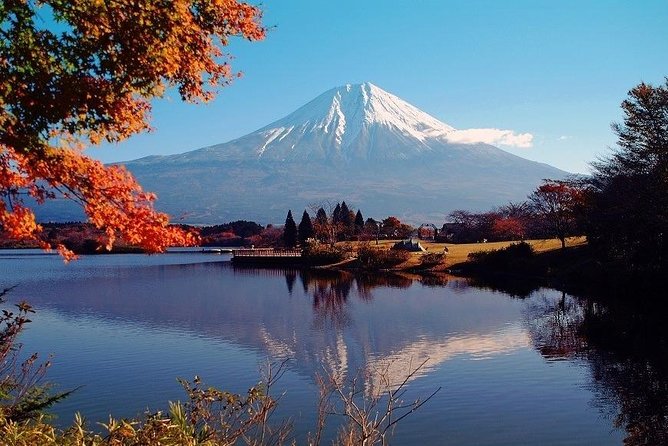
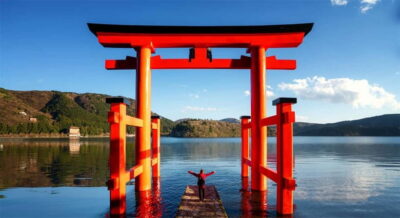
Lake Ashi is the image most associated with Hakone. The lake formed in the caldera of Mount Hakone after the volcano’s last eruption about 3,000 years ago. On a clear day, the lake and Mount Fuji create the area’s signature view.
The listed lake stop is only 10 minutes, so treat it as a photo and orientation stop unless your guide adjusts the timing. That short visit may be enough for a quick look, but it will not allow a leisurely lakeside outing.
Nearby Hakone Shrine gives the day a quieter, more reflective turn. The shrine has a history stretching back more than 12 centuries, and its buildings have been rebuilt several times after fires. The setting among the forest gives you a sense of why this place became important long before Hakone was a resort destination.
You have about 30 minutes here. That is enough for a focused visit, but not a slow exploration of every path. Wear shoes that handle steps and uneven surfaces. The shrine is free to enter, which helps keep the extra cost of this route down.
Lake Ashi and Hakone Shrine make a sensible pair. The lake supplies the broad view, while the shrine offers cultural context. Ask your guide to explain what you are seeing rather than rushing through both locations for photographs.
Ropeway and Owakudani: Hakone’s volcanic side
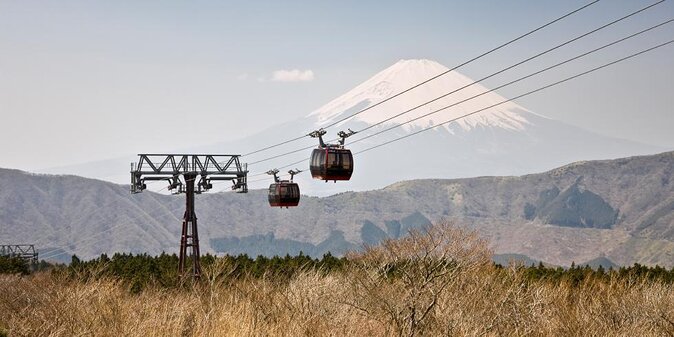
The Hakone Ropeway forms part of the well-known Hakone Round Course. It connects Sounzan Station with Togendai Station and gives you a moving view across Hakone’s high volcanic areas. The ride is one of the best reasons to include transport itself as part of the sightseeing.
Your ticket is not included, and the listed stop lasts about 30 minutes. That timing suggests a short ride or a limited section rather than a long, unhurried circuit. Your guide can help you decide which section fits the day.
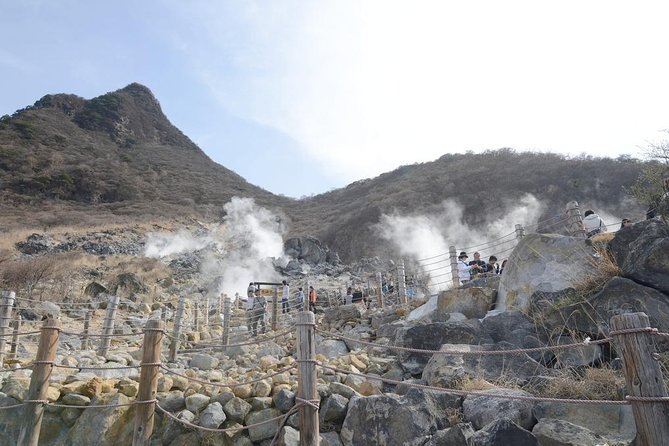
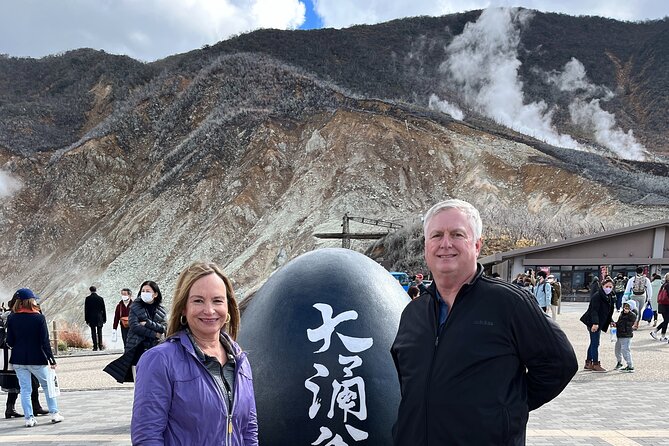
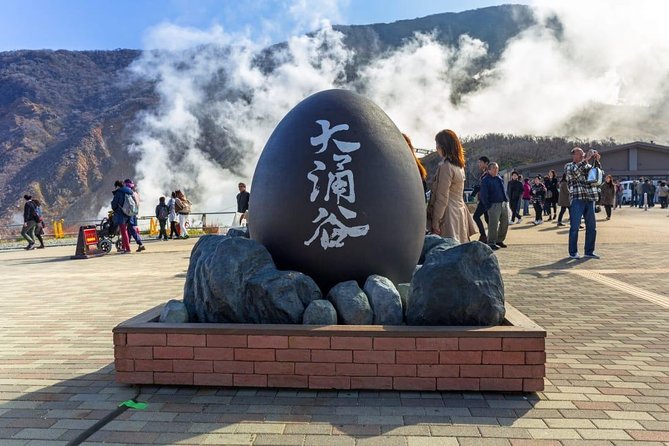
Owakudani is the most unusual stop on the route. This active volcanic area supplies heat to Hakone’s hot springs and is known for its black boiled eggs. The dark shells come from the local volcanic environment, and they are traditionally said to bring long life.
You have about 45 minutes there, giving you time to see the geothermal activity and buy the eggs if you wish. Conditions can affect access and views, so keep your expectations flexible. The Owakudani Nature Study Path is a separate option. It offers a closer walk through an active volcanic area, requires advance reservation, and has an 800-yen entrance fee.
The nature path is especially appealing if you prefer geology to shopping or museums. Since it needs advance planning, ask about it before the day begins. Do not assume it can be added at the last minute.
More mount fuji day trips in Tokyo:
- Mt Fuji and Hakone 1-Day Bus Tour Return by Bullet Train
★ 5.0 · 26,383 reviews - Mt Fuji & Hakone Cruise, Drum Show Bullet Train 1 Day from Tokyo
★ 4.0 · 7,413 reviews - Tokyo Mt Fuji 5th St & Hakone Cruise Bus Tour w/Bullet Train
★ 4.4 · 5,024 reviews - From Tokyo: Mount Fuji Full-Day Sightseeing Trip
★ 4.5 · 4,970 reviews
Hakone’s museums, from giant sculpture to Japanese painting
The Hakone Open-Air Museum deserves the longest museum visit on the list, with about two hours suggested. It is the area’s best-known art museum and includes a striking stained-glass staircase. The outdoor setting makes it a good choice when you want art with room to walk between exhibits.
Admission is extra. Two hours is a sensible commitment, so combine it with nearby Gora-area sights rather than placing it into an already crowded circuit. If your group includes children or people who tire of indoor galleries, the open-air format may be easier than a traditional museum.
The POLA Museum of Art focuses on a private collection assembled by the late founder of the POLA company, known for skin-care and beauty products. The building and collection offer a polished art stop, but you need to pay admission and allow about 30 minutes in the suggested schedule.
The Okada Museum of Art covers works from antiquity to the modern era. It opened in 2013 and provides another indoor option for a group interested in art across a long span of Japanese and Asian history. The listed time is 30 minutes, so ask your guide whether that is enough for your interests.
The Hakone Museum of Art in Gora was founded in 1952 by Okada Mokichi. It is another paid stop with about 30 minutes suggested. With several museums competing for your time, choose one that matches your taste instead of trying to collect them all.
The Narukawa Art Museum is devoted to nihonga, or Japanese-style painting. The stop is listed at only 10 minutes, which makes it more suitable for a quick look or a planned visit only if the timing changes. Its location near Lake Ashi can make it a useful alternative to another lake-area stop.
Gardens, temples, and smaller specialty stops
Sengokuhara is known for its tall pampas grass, especially in autumn. The field provides a seasonal outdoor break and a chance to see a different side of Hakone beyond the main transport loop. Admission is listed as extra, and the suggested visit lasts about 30 minutes.
Choanji Temple sits in the Sengokuhara area and belongs to the Soto school of Zen Buddhism. Founded in 1356, it has an atmospheric setting at the base of a hill and is free to enter. Choose it if you want a quieter temple stop instead of another ticketed attraction.
The Hakone Botanical Garden of Wetlands, also called Hakone Shisseikaen, preserves highland wetland plants inside Fuji Hakone Izu National Park. The garden was founded in 1976. A 30-minute stop gives you a taste of the place, though plant lovers may want to ask if more time is possible.
Gora Park is a Western-style garden on the steep slope above Gora Station. It is a pleasant place to pause, enjoy views around Hakone, and slow the pace after several transport changes. The suggested visit is 30 minutes, and admission is extra.
The Hakone Venetian Glass Museum combines Italian-style buildings, a museum, shops, and a strolling garden around a canal-like pond. It is a highly themed stop, so it will suit you if you enjoy decorative arts and carefully designed displays. Allow about 30 minutes and budget for admission.
The Dollhouse Museum Hakone is a smaller, more specialized choice with dollhouses from around the world. The suggested visit lasts one hour. It is not the obvious choice for a first visit, but it could be exactly right for a miniature enthusiast or a group looking for something different.
Matching three or four stops to your interests
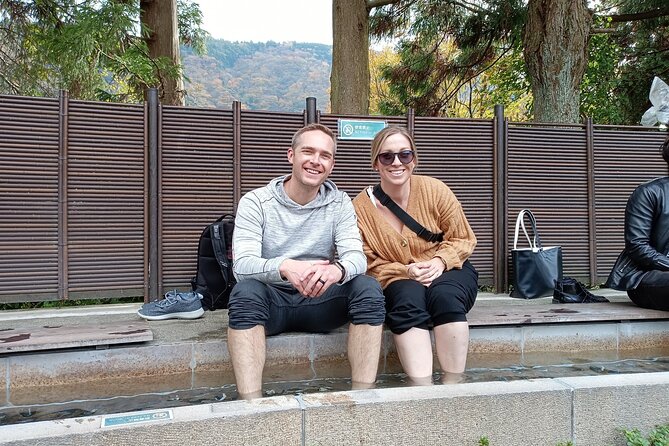
The best part of this experience is not the long list of possibilities. It is the ability to make a short list that suits you.
For a first-time Hakone visit, I would look at Lake Ashi, Hakone Shrine, the ropeway, and Owakudani. This gives you water, worship, mountain transport, and volcanic ground. You will pay for transport and the ropeway, but the main outdoor stops are free.
For art lovers, choose the Open-Air Museum plus one or two museums such as POLA, Okada, or the Hakone Museum of Art. Do not add too many. The Open-Air Museum alone is given two hours, and the other venues need admission fees.
For a quieter day, pair Hakone Shrine with Choanji Temple, Sengokuhara, and Gora Park. This plan gives you sacred sites, seasonal plants, open space, and fewer ticketed attractions, though local transportation still costs extra.
For a family or mixed-interest group, the ropeway, Owakudani, the Open-Air Museum, and Lake Ashi can offer variety. The Dollhouse Museum could replace a museum that does not appeal to your group.
What the guides add to the experience
A government-licensed English-speaking guide is the central service here. The guide does not provide a vehicle or pay your expenses, but can help you understand where to go, how to change transport, and what each site means.
The guide names associated with this experience include Michio, Yoshi, Taka, Nobu, and Yasuko. Taka is based in Hakone and is described as the chairman of the Hakone tour guide association, which may appeal to you if local depth matters. Yoshi has helped plan trains and each stage of the local transportation route. Nobu has guided a day involving about ten transport changes, a useful reminder of how much easier Hakone can be with help.
That last point matters. Japanese transport is reliable, but Hakone’s network can still feel complicated when you are trying to connect trains, buses, cable cars, and the ropeway within one day. A guide can make the schedule more efficient and explain the practical details while you enjoy the scenery.
One warning deserves attention. A booking problem once caused a scheduled pickup to fail, followed by a refund process. The supplier attributed it to a technical notification issue. Confirm your meeting details before departure and keep all booking messages available, especially if you are meeting at a port or airport.
Who should book this private tour?
I would consider it for a first visit to Japan, a small private group, or anyone who wants cultural explanation along with sightseeing. It is also useful if you want to visit Hakone but do not want to build a route from several separate transport maps.
The tour suits people who can walk and manage public transportation. Most travelers can participate, and service animals are allowed, but the experience is specifically described as a walking tour with pickup on foot. It is not the right choice if you expect door-to-door driving.
The 10-hour length makes it a serious day trip. You will get more from it if you choose your three or four sights in advance and tell the guide what matters most. Mount Fuji is a major draw, but visibility is weather-dependent, so do not make the entire value of the day depend on one photograph.
Free cancellation is available up to 24 hours before the start time. Changes or cancellations inside that window are not accepted for a refund.
Should you book the Hakone private day trip?
Book it if you want personal help with Hakone’s transport maze and prefer a flexible day over a fixed group itinerary. The guide service is strongest when you use it to build a sensible route, explain shrines and volcanic features, and keep transfers from eating your day.
Think twice if you want a private vehicle, an all-inclusive price, or a relaxed visit to many attractions. You will pay extra for trains, local transportation, meals, and admissions, and the day can involve plenty of walking.
For the best value, choose three or four stops before you meet the guide, reserve the Owakudani nature path if you want it, and decide if your priority is Mount Fuji, volcanic scenery, art, or temples. With that preparation, the price buys something useful: not just a guide, but a better chance of turning a complicated day into a well-paced one.
FAQ
How long does the Hakone private tour last?
The experience lasts approximately 10 hours.
Where can I meet the guide?
You can meet the guide at your Tokyo hotel, port, airport, or another location within the designated Tokyo area. Pickup is on foot.
Is this a private tour?
Yes. Only your group participates, and you cannot combine multiple tour groups.
How many Hakone sights can I choose?
You can customize the day by choosing approximately three or four sights from the available options.
Is transportation from Tokyo included?
No. Round-trip train travel from Tokyo costs approximately 5,000 yen per person and is not included.
Is a private vehicle included?
No. The tour does not include a private vehicle. You pay separately for public transportation and other local transport.
Are meals included?
No. Lunch and other personal expenses are not included.
Is the Hakone Freepass included?
No. The Hakone Freepass is not included in the tour price.
Are entrance fees included?
Entrance fees are generally not included. Guide entry fees are covered only for sights listed under the experience details.
Can I cancel for a full refund?
Yes. You can cancel at least 24 hours before the experience start time for a full refund. Cancellations or changes made less than 24 hours beforehand are not accepted for a refund.
More Full-Day in Tokyo
- Mount Fuji Full-Day Private Tour from Tokyo (Customizable)
★ 4.9 · 1,470 reviews - Tokyo Private Full-Day Tour by Car or Van
★ 5.0 · 684 reviews - From Tokyo: Must-Visit Mount Fuji Highlight Full-Day Tour
★ 4.7 · 532 reviews - Mt. Fuji, Hakone Full-Day Private Tour with English Driver Guide
★ 4.5 · 458 reviews
Just added around Tokyo
- Private Memorable Tokyo Tour with English Speaking Driver★ 5.0 · 30 reviews
- Private Tokyo Custom Full-Day Tour by Chartered Vehicle★ 5.0 · 16 reviews
- Private Sightseeing to Mt Fuji and Hakone with English Driver★ 5.0 · 51 reviews
- Tokyo Photography Masterclass – Private Photography Lesson★ 5.0 · 25 reviews
- Private Mt. Fuji Day Trip from Tokyo with English-Speaking Driver★ 5.0 · 33 reviews
- 4 Day Tour – Mount. Fuji, Tokyo, Hakone, Kamakura and Yokohama★ 5.0 · 19 reviews
- Private Unforgettable Mt Fuji Tour with English Speaking Driver★ 5.0 · 142 reviews
- Private Tokyo Food Tour – A Journey Through Time Through Food★ 5.0 · 36 reviews
Mount Fuji Day Trips, compared.
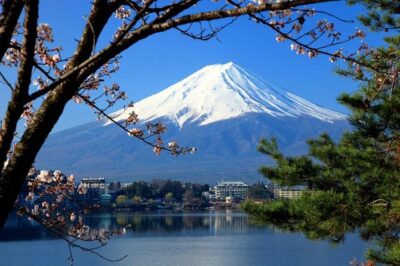
Mt Fuji and Hakone 1-Day Bus Tour Return by Bullet Train
Read our review →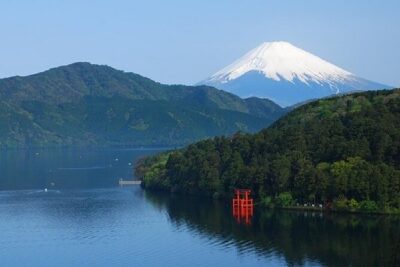
Mt Fuji & Hakone Cruise, Drum Show Bullet Train 1 Day from Tokyo
Read our review →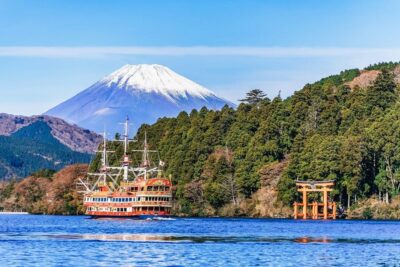
Tokyo Mt Fuji 5th St & Hakone Cruise Bus Tour w/Bullet Train
Read our review →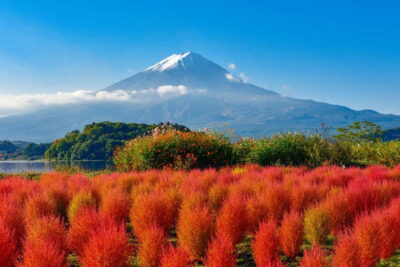
Mt. Fuji Tour, Hakone Ropeway, Owakudani, Lake Ashi
Read our review →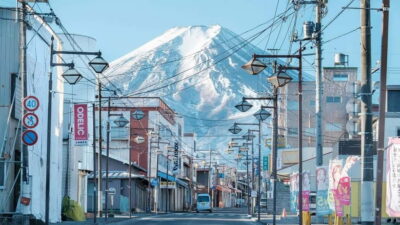
Mt Fuji Top 5 Spots Day Tour: Arakurayama Park,Oshino Hakkai
Read our review →
Private Tour to Mt. Fuji and Hakone (Fully Licenced Operator)
Read our review →
Mount Fuji Full-Day Private Tour from Tokyo (Customizable)
Read our review →Browse the lists this tour appears in