
REVIEW · PRIVATE GUIDED TOURS WITH DRIVER
Fukuoka Full-Day Private Tour with Government Licensed Guide
Fukuoka is easiest to understand when someone helps you connect its old shrines, Buddhist temples, food stalls, and modern waterfront. This private six-hour tour lets you choose three or four stops instead of racing through a fixed route. Nanzoin’s huge reclining Buddha, Dazaifu and the Kyushu National Museum, or a city walk through Kushida Shrine and Tochoji are all possible choices.
I like the one-to-one attention, especially if you want to ask about customs, food, or daily life in Japan. I also like the practical help: guides such as Peko, Yoko, Erica, Chizuko, and Sasuke have helped people work out train routes, choose restaurants, arrange dinner reservations, and shape a day around limited port time.
The catch is that this is a walking tour, not a private-car tour. You pay for trains, buses, taxis, ferries, food, and most admissions separately, and six hours is not enough to cover the long list of possible sights.
In This Review
- Key points to know before booking
- A private introduction to Fukuoka in six hours
- Pick a theme before you pick the sights
- The old city: Kushida Shrine, Tochoji, and Shofukuji
- Fukuoka Castle ruins and Ohori Park
- Dazaifu and the Kyushu National Museum
- Nanzoin and the reclining Buddha
- Markets, yatai, and everyday Hakata
- Gardens, museums, and a quiet tea break
- Waterfront views, towers, and shopping
- The extra-island and hillside options
- What the guides add to the day
- Practical details that affect the price
- Should you book this Fukuoka tour?
- FAQ
- How long is the Fukuoka private tour?
- How many attractions can I choose?
- Is transportation included?
- Are entrance fees included?
- Can I choose Nanzoin Temple or Dazaifu?
- Can I cancel for a refund?
Key points to know before booking
- Choose three or four sights: The long menu of attractions is a planning tool, not a promise that you will visit them all.
- Nanzoin makes a powerful half-day anchor: Its enormous reclining Buddha is one of the most memorable nearby sights.
- Your guide can shape the day around your interests: Cultural sites, local food, markets, gardens, waterfront views, and shopping are all possible themes.
- Meet on foot within the designated Fukuoka area: There is no private vehicle included.
- Expect extra costs: Transportation, lunch, personal purchases, and entrance fees are not included.
- The tour suits first-time visitors and cruise passengers: A good guide can help you make the most of a short stay without wasting time on navigation.
A private introduction to Fukuoka in six hours
At $155.22 per person, this tour is not the cheapest way to sightsee in Fukuoka. It can be good value for a couple, family, or small private group that wants local guidance without joining strangers.
The value comes from time saved and choices made well. Fukuoka’s sights are spread between central Hakata, western waterfront districts, Dazaifu, and places farther outside the city. A guide can help you avoid spending half the day working out which train, bus, or ferry to take.
You are not buying a private car or an all-inclusive day. You are paying for a licensed local English-speaking guide, planning help, and a private experience for your group. Group discounts may improve the price for larger parties, but you should still budget for fares, meals, and admission tickets.
The strongest guide experiences appear to come from preparation before the day begins. Chizuko, Miyuki, Yoko, Erica, and others have shaped routes around cultural interests, food, shopping, port schedules, and mobility concerns. Contact before the tour matters. Tell the guide what you care about, how much walking you can manage, and which sights are non-negotiable.
More private guided tours with driver in Fukuoka:
- Tokyo 6hr Private Tour with Government-Licensed Guide
★ 5.0 · 3,902 reviews - Tokyo 4hr Private Tour with Government-Licensed Guide
★ 5.0 · 1,394 reviews - Kyoto 6hr Private Tour with Government-Licensed Guide
★ 5.0 · 1,369 reviews
Pick a theme before you pick the sights
The possible stops cover a lot of ground, so I would not try to squeeze in one of everything. Pick a clear theme.
For Fukuoka’s religious and cultural side, combine Kushida Shrine, Tochoji Temple, Shofukuji Temple, and the Hakata Machiya Hometown Museum. For a wider regional day, choose Dazaifu, the Kyushu National Museum, and perhaps Nanzoin, accepting that transport will take more of your six hours.
For food and local life, consider Yanagibashi Rengo Market, a yatai food stand area, Canal City Hakata, and a city shrine. For views and open space, look at Fukuoka Castle ruins, Ohori Park, Momochi Seaside Park, and Fukuoka Tower.
If you are arriving by cruise ship, say so at the start. The day needs to work backward from your return time. A late docking, train delay, crowded weekend market, or bad weather can force changes, and one three-star experience makes clear that transport problems can affect an ambitious plan.
The old city: Kushida Shrine, Tochoji, and Shofukuji
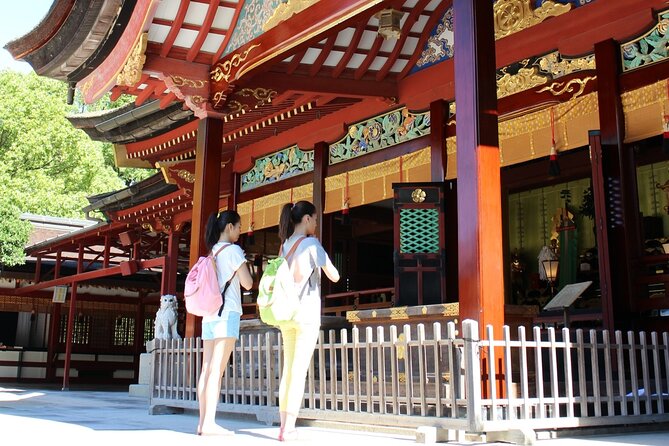
Kushida Shrine is one of the best starting points for understanding Hakata. Founded in AD 757, it is among Fukuoka’s oldest Shinto shrines, with carved details tied to the Chinese zodiac and a large ginkgo tree.
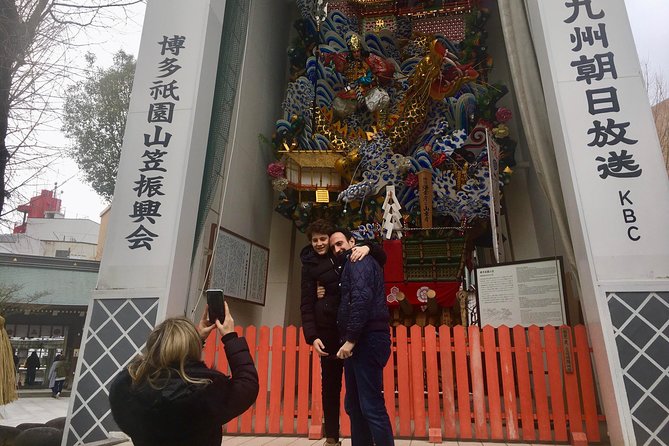
Your guide can explain what you are looking at rather than leaving you to guess your way through the grounds. The shrine is also closely tied to the Hakata Gion Yamakasa festival, a local tradition that comes alive at the nearby folk museum.
Tochoji Temple offers a different mood. It is a major Shingon Buddhist temple associated with Kobo-Daishi, also known as Kukai. Its great wooden Buddha is a major draw, and the temple’s path from hell to heaven adds a memorable, slightly eerie touch to the visit.
Shofukuji is especially important for anyone interested in Zen. Founded in 1195 by Eisai, it is recognized as the first Zen temple built in Japan and is linked to the Rinzai school brought from China. The temple grounds are free, though you should not assume every interior area has free admission.
These three sites work well together because they show different strands of Japanese religious life. They are also practical city stops, unlike Nanzoin or Dazaifu, which require more time on public transport.
Fukuoka Castle ruins and Ohori Park
Fukuoka Castle no longer has a complete keep. What remains are stone walls, gates, moats, and traces of a castle that was important during the Edo period beginning in the early 1600s.
The reward is not a grand reconstructed palace. It is the chance to read the city through its defensive walls and enjoy a broad view from Fukusaki Hill. I would choose this stop if you like history, city views, and open-air walking.
Nearby Ohori Park offers a gentler change of pace. Its large pond has a walking path of just over two kilometers, making it a pleasant place to stretch your legs. It is not a quick photo stop if you want to walk the full circuit, so tell your guide if you prefer a short look or a longer pause.
Fukuoka Castle and Ohori Park make a sensible pairing. The castle gives you old stonework and a view; the park gives you water, greenery, and breathing room. Both are free to enter, but the walking adds up.
A few more Fukuoka trips to weigh up
- From Tokyo: Mount Fuji Full-Day Sightseeing Trip
★ 4.5 · 4,970 reviews - Mount Fuji Full-Day Private Tour from Tokyo (Customizable)
★ 4.9 · 1,470 reviews - Hiroshima / Miyajima Full-day Private Tour with Government Licensed Guide
★ 5.0 · 1,298 reviews - Tokyo Private Full-Day Tour by Car or Van
★ 5.0 · 684 reviews
Dazaifu and the Kyushu National Museum
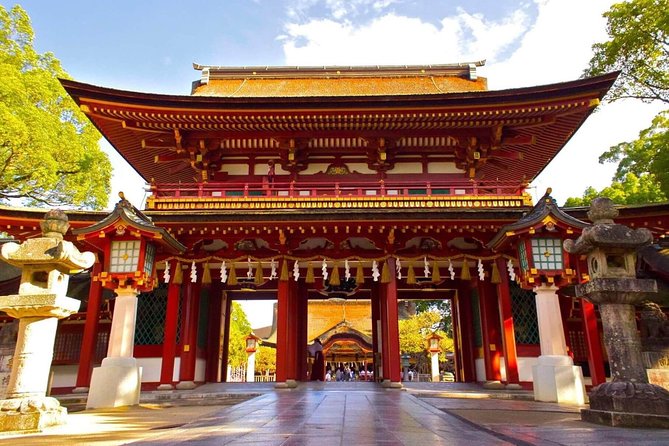
Dazaifu takes you beyond central Fukuoka into an area tied to the old regional government of Kyushu. At the Dazaifu Government Remains, you can see the former grounds where official buildings once stood.
Dazaifu is often paired with the Kyushu National Museum. Opened in 2005, the museum is notable for its modern architecture and its focus on Japan’s connections with Asia. It was the first new national museum opened in Japan in more than a century.
This is one of the best combinations if you want context rather than a quick succession of photo stops. The museum gives you objects and exhibits; Dazaifu gives you the regional setting. The trade-off is distance and admission cost, so this pair can easily become the main focus of your six hours.
Dazaifu is also sometimes combined with Kamado-jinja Shrine, although that stop is not among the listed choices. Keep your requests specific when planning, and confirm what can fit into the allotted time.
Nanzoin and the reclining Buddha
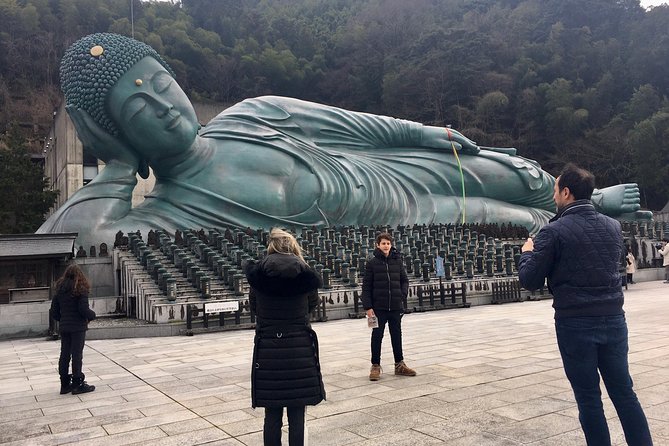
Nanzoin is about 15 kilometers east of Fukuoka and usually needs at least 30 minutes on the sightseeing schedule, not counting the journey. Its large reclining Buddha is the main attraction, but the setting is also part of the experience.
The temple draws more than a million visitors and pilgrims each year. You will encounter a major Buddhist site rather than a small neighborhood temple, and the approach may include steps and uphill walking.
This is the stop most likely to shape your whole day. People who have chosen it often combine it with one or two central Fukuoka sights rather than trying to add four more distant attractions. It can be especially worthwhile if seeing the reclining Buddha is a personal priority.
Ask about walking conditions before you commit. One especially useful guide habit is checking that you are comfortable with the steps and adjusting the route when needed. Weather can also change the day. Rain affected several outings, but guides still adapted plans and helped make the visit work.
Nanzoin is not included in the tour price. Entrance fees are generally extra, and the rules around guide admission differ by attraction. Confirm the exact cost before the day begins.
Markets, yatai, and everyday Hakata
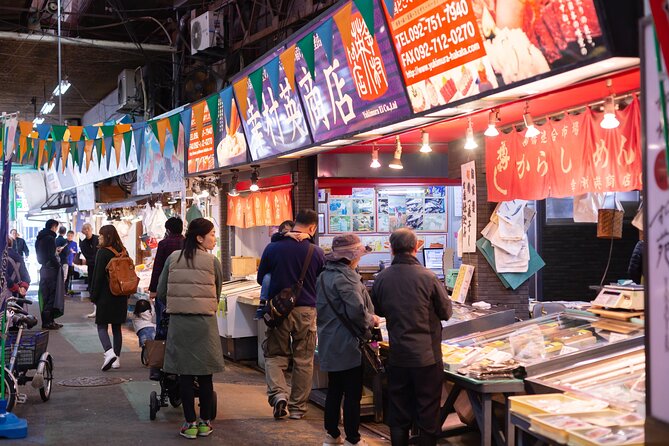
Yanagibashi Rengo Market is known as the kitchen of Hakata. More than 40 greengrocers and fishmongers sell fresh goods, with additional shops offering fruit, tofu, cafés, and baked goods.
This is the kind of stop that gives a tour local texture. You can see what people buy for daily meals rather than only visiting formal monuments. Market hours and crowd levels matter, so confirm that it fits your date and schedule.
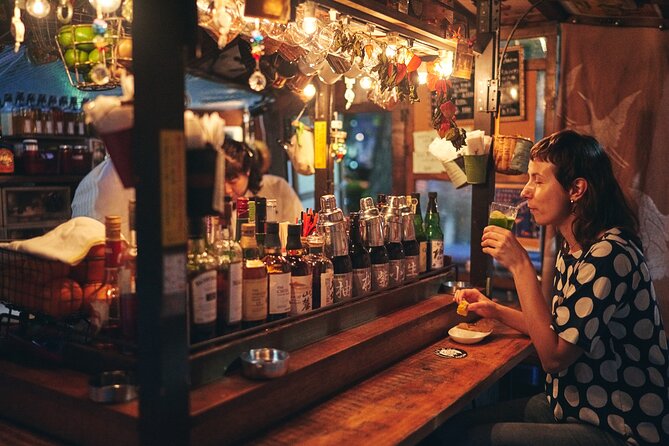
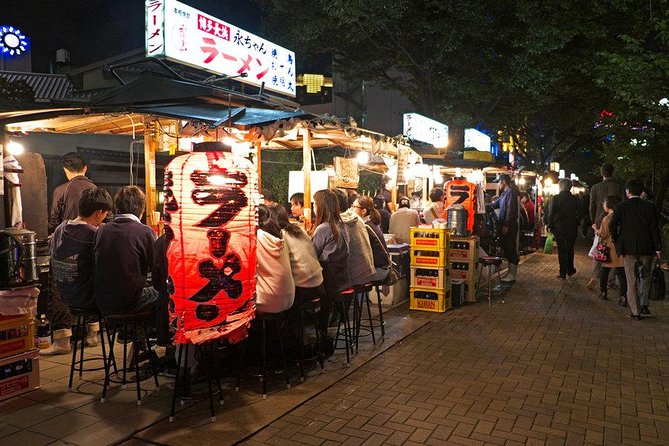
Fukuoka’s yatai, or open-air food stands, are another local symbol. These compact stalls usually seat about seven or eight people, creating a close, social setting for food. A guide can explain how to approach the stalls and help you understand what is on offer, but food is not included.
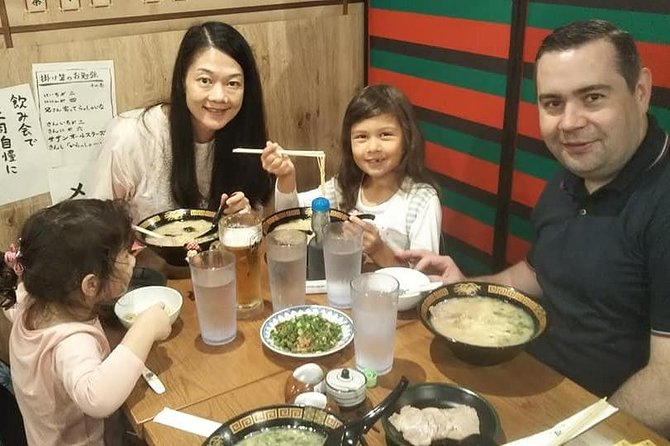
A short yatai visit may work better in the evening than during a daytime sightseeing route. The same applies to lunch. Guides have taken people to ramen restaurants, yakitori places under Hakata Station, and the station’s rooftop garden. Ask for help with food if you want more than a standard restaurant near a major attraction.
Gardens, museums, and a quiet tea break
Rakusuien is a small Japanese-style garden with a tea house. Matcha and sweets cost 500 yen, while garden admission is 100 yen.
The listed stop time is only five minutes, which is far too short for a proper tea break. Treat that timing as an indication that the stop is optional or adjustable. If you enjoy gardens and tea, ask your guide to give it real time and remove another sight.
The Hakata Machiya Hometown Museum is also listed for five minutes, though it deserves longer if you want to understand local life. The museum presents traditional Hakata culture and lifestyle, including the Hakata Gion Yamakasa festival and local craft work.
These smaller stops can be more rewarding than another shopping complex if you want a sense of place. They also show why customization matters. You can tell your guide that you prefer a slower cultural visit over a long list of landmarks.
Waterfront views, towers, and shopping
Momochi Seaside Park sits along Hakata Bay on reclaimed land developed around the 1989 Asia Pacific Expo. It gives you a look at modern Fukuoka and its waterfront development.
Fukuoka Tower rises about 234 meters and offers city and bay views from above. Admission is extra, and a tower visit can consume more time than the short suggested stop, especially if there is a wait.
Uminonakamichi Seaside Park is a large family-oriented park on a narrow peninsula across the bay. It is better suited to families, flowers, open space, or a slower outdoor day than to a rapid first visit focused on historic Fukuoka.
Canal City Hakata is a large shopping and entertainment center with about 250 shops, cafés, restaurants, a theater, and a game center. I would choose it only if shopping, food, or modern architecture matters to you. It is easy to visit independently, so a private guide may offer more value at a shrine, market, or temple.
The extra-island and hillside options
Nokonoshima Island requires a ferry ride and at least 30 minutes is suggested for the stop itself. Since the tour does not include transportation, you will need to pay for the ferry and allow enough time for the boat schedule.
The island makes sense for someone who wants sea views and a break from the city. It makes less sense if you have only six hours and also want Dazaifu, Nanzoin, and several central temples.
Atago Jinja Shrine is a less visited hillside shrine with wide views over Fukuoka. The climb is the main consideration. It may appeal to you if you want a quieter shrine and a city panorama, but it is not the easiest choice for a day already filled with walking.
Hakozaki-gu is one of the major shrines in this part of Japan. Its original structure was destroyed by fire during the Mongol invasion of Fukuoka in 1274 and later rebuilt. It gives your day another strong historical layer, though admission policies and transport should be confirmed in advance.
What the guides add to the day
A licensed English-speaking guide matters most when you want interpretation and practical help, not just directions. The strongest examples here involve guides shaping the day before arrival and then adjusting it as conditions changed.
Peko has guided people from the port to Nanzoin, helped with railway connections, found lunch with city views, arranged a matcha stop, and returned them to the ship with time to spare. Yoko has built routes around Nanzoin, Kushida Shrine, Tochoji, the folk museum, and local food.
Erica has planned short port days around cultural sites and offered detailed explanations along the way. Chizuko has helped with transit cards, dinner reservations, and restaurant suggestions. Sasuke has focused on temples, local history, and the reclining Buddha.
Guide quality can vary in personality and English clarity. One experience included difficulty understanding the guide, even though the help with navigation was appreciated. I would request a guide by name only if the operator confirms availability, and I would explain your interests clearly instead of relying on a generic plan.
The tour has a 4.9 rating from 55 reviews and a 96 percent recommendation rate, which points to a strong overall record. Still, transport delays, rain, crowded weekends, and limited port hours can affect what you actually see.
Practical details that affect the price
This is a private activity for only your group. The guide meets you on foot within a designated Fukuoka area, and pickup is offered in that on-foot sense, not by private vehicle.
Included:
- Licensed local English-speaking guide
- A customized route featuring three or four selected sights
- A private experience for your party
- Mobile ticket and confirmation at booking
Not included:
- Trains, buses, taxis, and ferries
- Entrance fees
- Lunch and other personal expenses
- Private vehicle
Most people can take part, and service animals are allowed. Since this is a walking tour, tell the guide about mobility limits before finalizing the route. You can cancel for a full refund up to 24 hours before the start time. Changes or cancellations inside that window are not accepted.
Should you book this Fukuoka tour?
Book it if you have one day in Fukuoka, are arriving by ship, or want a local person to connect temples, food, history, and transport. It is also a strong choice for families and small groups that do not want to follow a fixed bus route.
I would especially consider it for a Nanzoin and central Fukuoka combination, or for Dazaifu with the Kyushu National Museum. Tell the guide your top two priorities and one backup, then leave room for lunch and transport.
Skip it if you prefer exploring slowly on your own, want a private car, or plan to see only one easily reached attraction. At $155.22 per person before extra costs, the tour earns its price through planning and personal attention, not through inclusions.
FAQ
How long is the Fukuoka private tour?
The experience lasts approximately six hours.
How many attractions can I choose?
The tour includes a customizable route with three or four sites from the available list.
Is transportation included?
No. Transportation fees are not included, and the tour does not provide a private vehicle. You meet the guide on foot within the designated Fukuoka area.
Are entrance fees included?
Generally, entrance fees are not included. Guide entry fees are covered only for sights specified under the experience details, so confirm costs for your chosen stops.
Can I choose Nanzoin Temple or Dazaifu?
Yes. Both Nanzoin Temple and Dazaifu Temmangu are among the possible stops. Nanzoin requires extra travel time, and transportation costs are separate.
Can I cancel for a refund?
Yes. You can cancel at least 24 hours before the local start time for a full refund. Cancellations or changes made less than 24 hours before the start time are not accepted.
Just added around Fukuoka
- Fukuoka Sumo Tournament November 2025 with a Sumo Expert Guide★ 5.0 · 21 reviews
- Fukuoka Group/Private Tour by Local Professionals!★ 5.0 · 15 reviews
- Tour Nagasaki or Fukuoka in Privacy and Comfort.★ 5.0 · 17 reviews
- From Fukuoka: Miyazaki, Takachiho Gorge And Shrine Day Tour★ 4.5 · 44 reviews
- Dazaifu and Yanagawa Canal Cruise Private Guide Day Tour by Train★ 5.0 · 13 reviews
- Kyushu: Aso Vocano, Grassland,Onsen and Aso shrine 1-Day Tour★ 4.5 · 23 reviews
- Hakata Old Town Walking Tour Tracing the True History of Fukuoka★ 5.0 · 17 reviews
- Fukuoka Evening Tours: Yatai, Izakaya, Karaoke and more★ 5.0 · 21 reviews
Private Guided Tours with Driver, compared.
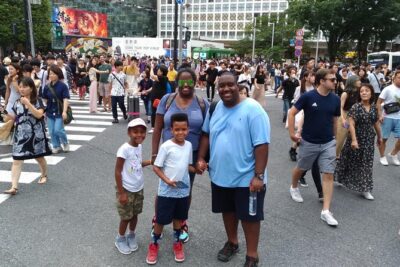
Tokyo 4hr Private Tour with Government-Licensed Guide
Read our review →
Kyoto 6hr Private Tour with Government-Licensed Guide
Read our review →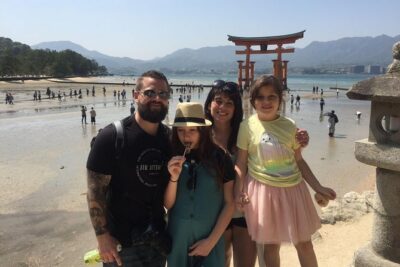
Hiroshima / Miyajima Full-day Private Tour with Government Licensed Guide
Read our review →
Kyoto 4hr Private Tour with Government-Licensed Guide
Read our review →
Mt. Fuji Day Trip from Tokyo with English Speaking Driver Guide
Read our review →
Hiroshima City 4hr Private Walking Tour with Licensed Guide
Read our review →Browse the lists this tour appears in