
REVIEW · MOUNT FUJI DAY TRIPS
From Tokyo: Mount Fuji and Hakone Private Day Trip
Mount Fuji is the star, but this private day trip gives you far more than one mountain photo. In one long day, you can move from shrines and cedar forests near Fujiyoshida to Lake Ashi’s open water, Hakone’s sulfur vents, and the art-filled paths of the Open Air Museum. It is a big day, but a rewarding one.
I like the private vehicle for up to five people, especially for families or small groups. I also like the flexible routing. Guides such as Hadi, Ali, David, Khan, and Muhammad have adjusted stops around clouds, traffic, and crowd levels, which matters when Mount Fuji decides to hide.
The catch is simple: the suggested stops are too numerous to complete comfortably in ten hours. Boat rides, ropeways, cable cars, and museum entry cost extra, and pickup outside Tokyo’s 23 wards adds ¥5,000 in cash.
In This Review
- Key points at a glance
- A long but flexible day from Tokyo
- Mount Fuji’s 5th Station at 2,300 meters
- Chureito Pagoda and Fujiyoshida’s classic view
- Cedar trees and shrine gates at Kitaguchi Hongu
- Oshino Hakkai’s eight clear ponds
- Hakone National Park and the sulfur vents of Owakudani
- Lake Ashi by pirate ship
- The Hakone cable car and other optional rides
- Art and open space at the Hakone Open Air Museum
- Why the private format earns its price
- How to shape the ten hours
- Weather, guides, and the human side of the day
- Who should book this Mount Fuji and Hakone trip?
- Should you book it?
- FAQ
- How long is the Mount Fuji and Hakone tour?
- How many people can join the private tour?
- Is pickup outside Tokyo’s 23 wards charged extra?
- Are the boat cruise, ropeway, cable car, and museum included?
- Is there an extra fee for Mount Fuji’s 5th Station?
- What should I bring?
Key points at a glance
- Weather-smart routing: Your guide can change the order of stops to chase clearer views of Mount Fuji.
- Private transport: A clean, air-conditioned vehicle takes your group between widely scattered sights.
- Two regions in one day: Combine the Fuji Five Lakes area with Hakone’s volcanic valleys and Lake Ashi.
- Optional signature rides: Add the Lake Ashi Pirate Cruise, Hakone Ropeway, or Hakone cable car for extra scenery.
- Strong guide service: Guests repeatedly praise punctual drivers, smooth driving, local advice, photography help, and flexible plans.
- Plan for trade-offs: A ten-hour day cannot include every suggested sight, so choose priorities before departure.
A long but flexible day from Tokyo
This is not a small, slow-paced village outing. Mount Fuji and Hakone lie in different sightseeing zones, and the trip from Tokyo can involve heavy traffic, especially on weekends and holidays. The benefit of a private car is control: you are not tied to a large coach schedule, and you do not need to work out several train and bus connections.
The vehicle is air-conditioned, parking is covered, and a bottle of water is included. Guides have been praised for clean cars, calm driving, punctual pickup, and help with family needs. Several guides also take photos, translate when needed, and suggest food or activities along the way.
The basic day lasts about ten hours. That sounds generous until you add driving, meals, queues, and optional rides. I would treat the list of places as a menu, not a promise to see every site. Before setting off, tell your guide what matters most: a clear Fuji view, shrines, lakes, Hakone’s volcanic sights, art, or the boat and ropeway combination.
More mount fuji day trips in Tokyo:
- Mt Fuji and Hakone 1-Day Bus Tour Return by Bullet Train
★ 5.0 · 26,383 reviews - Mt Fuji & Hakone Cruise, Drum Show Bullet Train 1 Day from Tokyo
★ 4.0 · 7,413 reviews - Tokyo Mt Fuji 5th St & Hakone Cruise Bus Tour w/Bullet Train
★ 4.4 · 5,024 reviews
Mount Fuji’s 5th Station at 2,300 meters
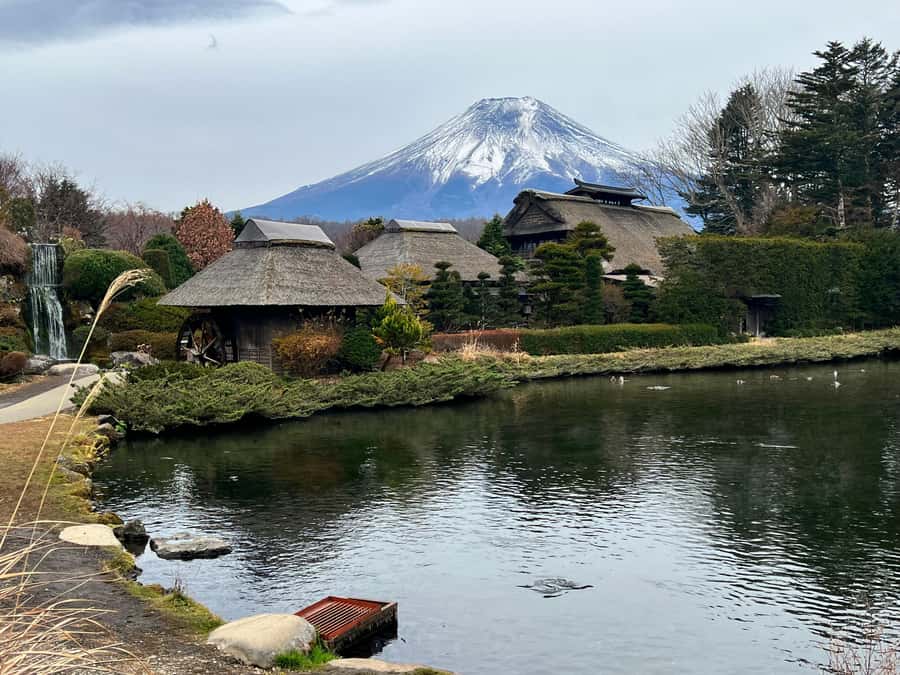
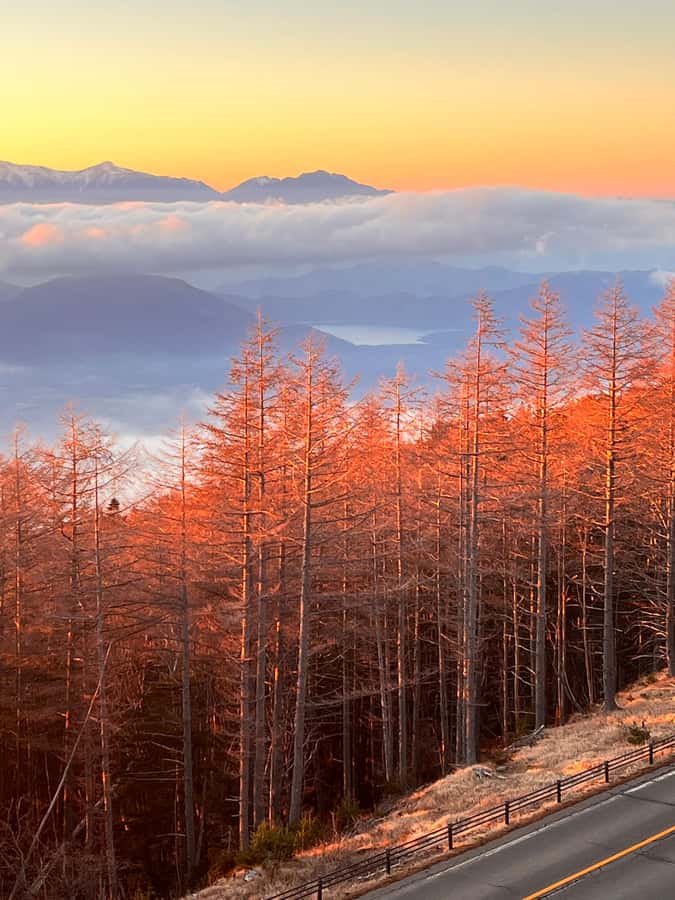
The Fuji Subaru Line 5th Station is the highest point in this plan that you can normally reach by road. At about 2,300 meters, it offers wide views toward the Fuji Five Lakes area, nearby mountains, Lake Yamanaka, and Fujiyoshida City. The Tenjosan Komitake Shrine adds a quiet spiritual stop to the viewpoint.
You are not climbing Mount Fuji here. The 5th Station is a viewing and visitor area, not the summit. On a clear day, it gives you a strong sense of the mountain’s scale and the changing terrain around it. On a cloudy day, the views may shrink to mist and nearby buildings. One useful lesson from the tour is that a hidden Fuji does not have to ruin the day, since your driver can try other viewpoints later.
There is an entrance fee of ¥2,100 per group. During the hiking season from July 1 through September 30, private vehicles cannot enter the Fuji Subaru Line. You can still visit the 5th Station by shuttle bus, but the added cost is ¥2,500 per person. That seasonal rule is easy to miss, so include it in your budget if you are traveling in summer.
Chureito Pagoda and Fujiyoshida’s classic view
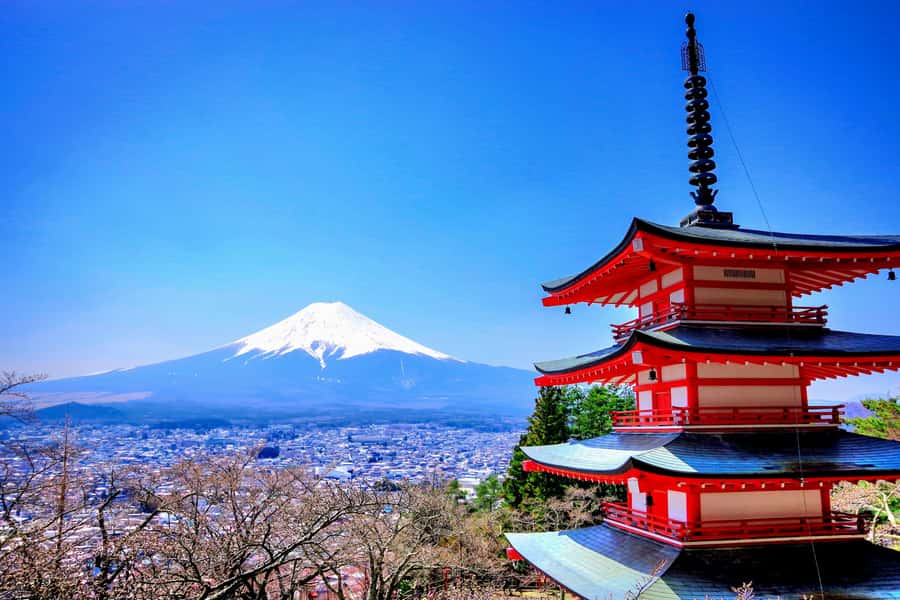
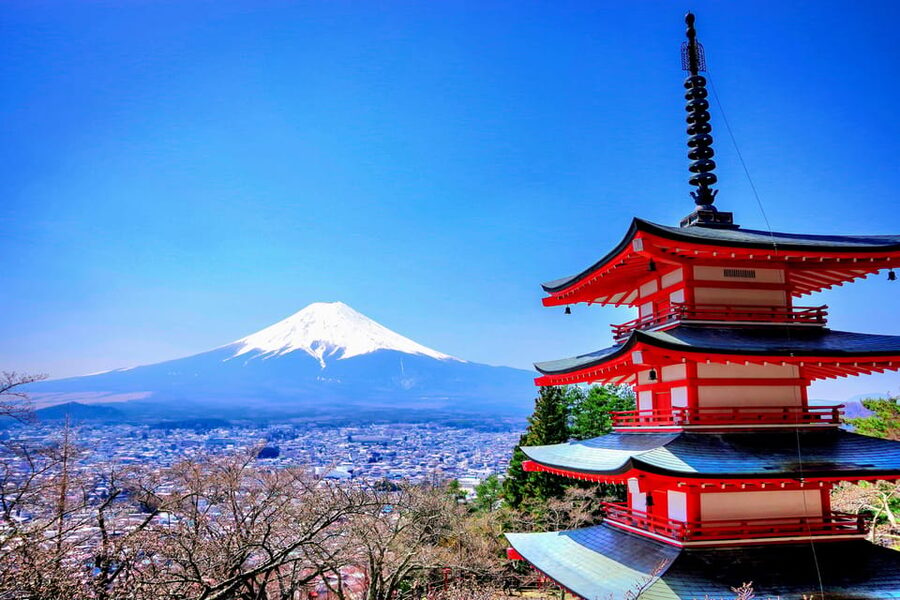
Chureito Pagoda is the familiar five-story pagoda seen with Mount Fuji behind it. It sits in Arakurayama Sengen Park in Fujiyoshida, with the mountain, town, and pagoda forming one of Japan’s most recognizable views.
The setting changes with the season. Cherry blossoms bring the famous pink-and-white scene, while autumn leaves add warm color around the pagoda. The stop involves walking uphill and stairs, so comfortable shoes are a good idea. It is one of the most photogenic places on the route, but it can also be a busy one. Your guide may suggest visiting at a better time or spending longer at another Fuji viewpoint if crowds or clouds work against you.
I would not choose this stop only for a quick photograph. The park gives you a useful view of how Fujiyoshida sits below the mountain, and the climb helps make the dramatic image feel earned.
Cedar trees and shrine gates at Kitaguchi Hongu
Kitaguchi Hongu Fuji Sengen Shrine offers a quieter change of pace. A path shaded by cedar trees, some said to be more than 1,000 years old, leads past stone lanterns and red torii gates. The shrine is dedicated to Mount Fuji and provides a calm cultural counterpoint to the busy viewpoints.
This is one of the places I would keep if you want more than scenic stops. The atmosphere is about walking slowly, looking up through the trees, and noticing the relationship between mountain worship and the surrounding forests. It also gives your day a sense of place rather than turning it into a string of lookout points.
The exact time available depends on the rest of your route. If you want the shrine, tell your guide early. It may compete with the 5th Station, Chureito Pagoda, or Hakone activities for time.
A few more Tokyo trips to weigh up
- 1-Day Tokyo Bus Tour
★ 5.0 · 14,250 reviews - Tokyo Disneyland 1-Day Passport
★ 4.6 · 2,512 reviews - Tokyo Customized Private Tour (Must See Places in 1 Day)
★ 5.0 · 1,499 reviews - Tokyo Customized Private Tour: See Top Attractions in 1 Day
★ 5.0 · 1,351 reviews
Oshino Hakkai’s eight clear ponds
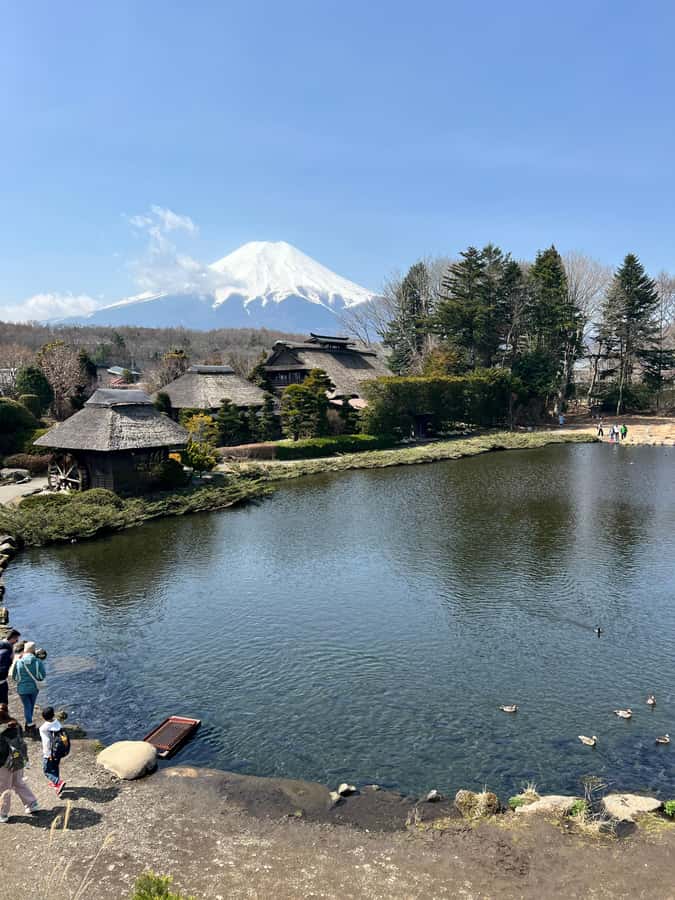
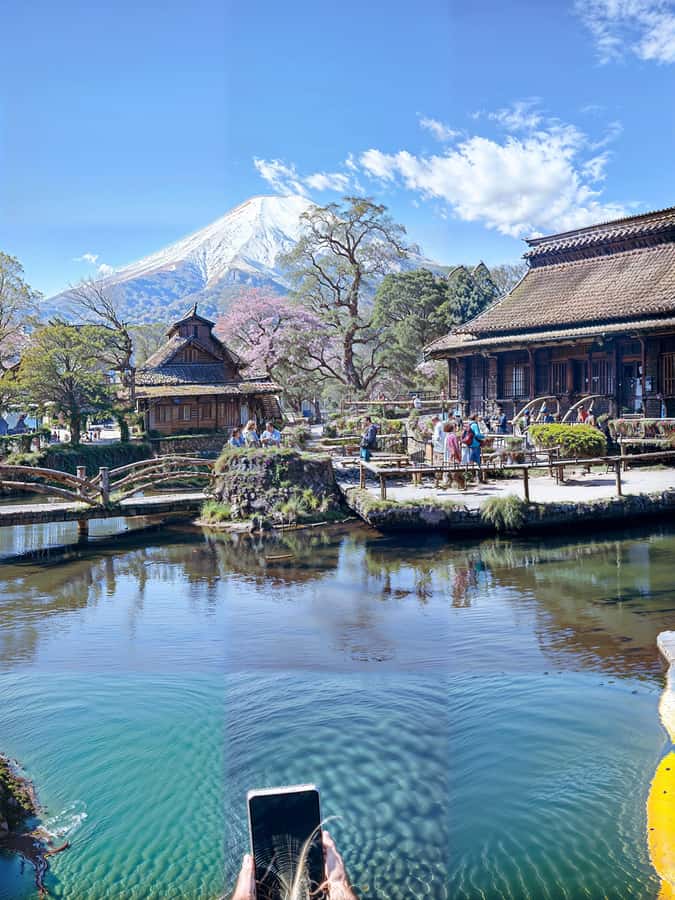
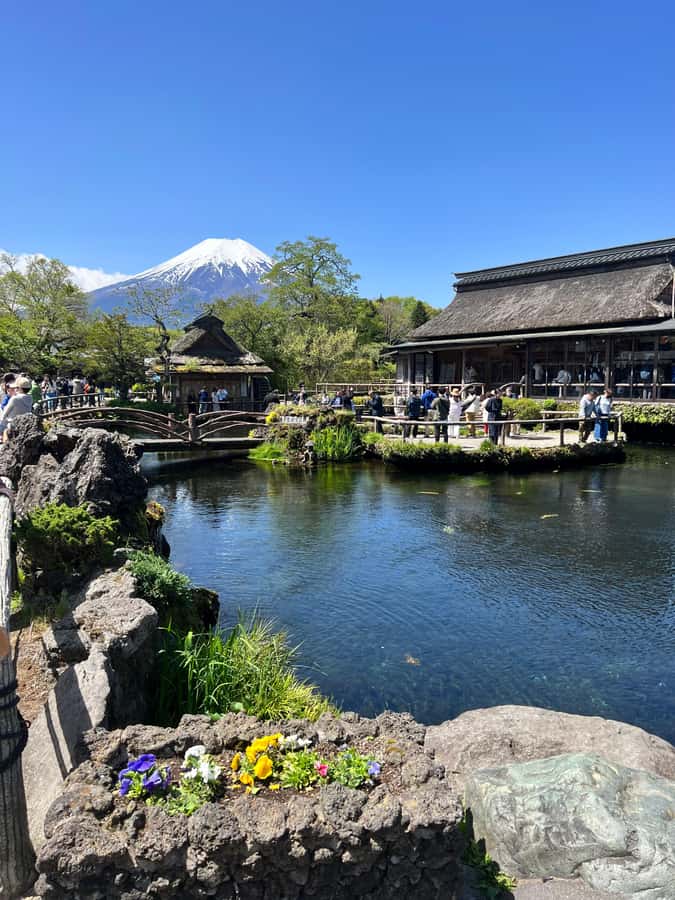
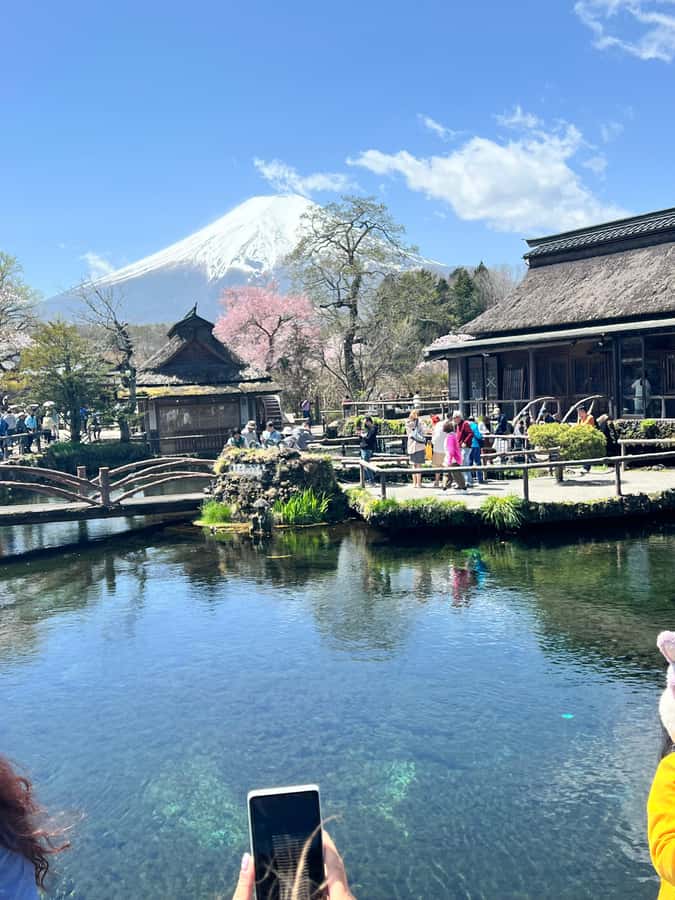
Oshino Hakkai is a traditional village area shaped by water from Mount Fuji. Snowmelt filters through the mountain before emerging in a group of eight ponds. You can walk among the water, traditional houses, shops, and small food stalls while taking in views of Fuji when the weather cooperates.
This stop works well for families because it is easier to explore at your own pace than a formal museum or timed ride. The village also gives you a chance to try local snacks and browse small gifts. Guides have recommended treats such as melon bread and regional ice cream during the day.
The ponds are attractive, but this is not a wilderness stop. You will find a popular sightseeing area with food and shopping alongside the water. That mix may suit you if you want refreshments and an easy walk. If you prefer quiet nature, ask your guide how much time to spend here.
Hakone National Park and the sulfur vents of Owakudani
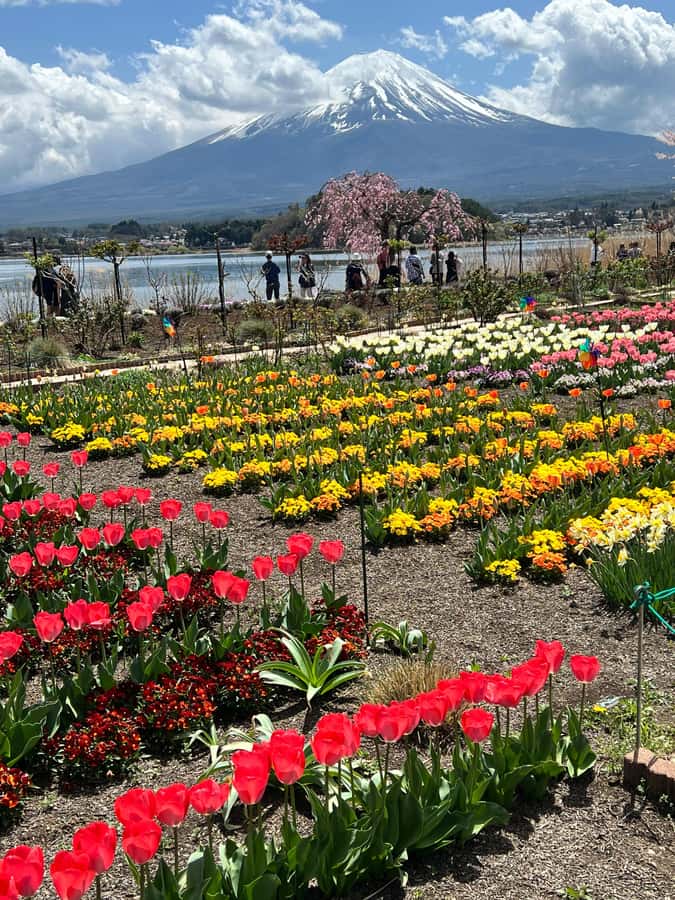
Hakone brings a different mood from the Fuji lakes. The area is known for hot springs, volcanic scenery, and broad views over the surrounding mountains. At Owakudani, you can see sulfurous vents and steaming volcanic ground. The scenery is striking because it feels raw and active rather than pastoral.
The famous snack here is the black egg, cooked in the area’s sulfur-rich hot spring water. You can also find themed sweets and gifts. The stop is interesting even if you are not drawn to geology, but conditions can affect access and views. Strong sulfur smells may bother some people, and volcanic areas are not the place to linger if you feel uncomfortable.
The Hakone Ropeway is an optional extra. It gives you an overhead view of Owakudani and the surrounding volcanic zone, and it can be one of the best ways to understand the shape of the area. The ride is not included, so you will need to pay for tickets separately and allow time for queues.
Lake Ashi by pirate ship
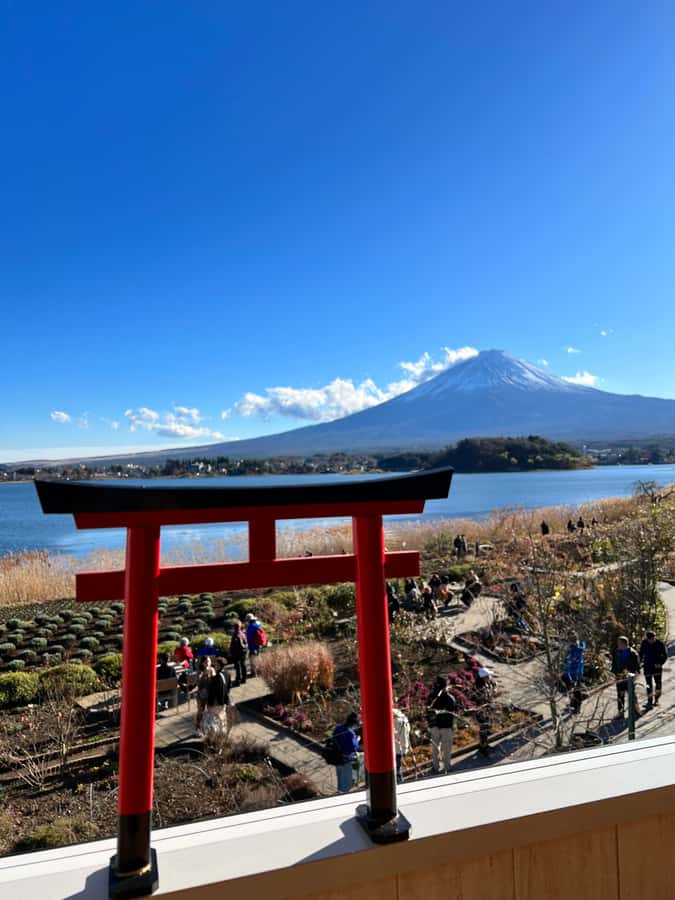
Lake Ashi, also called Ashinoko, is Hakone’s scenic centerpiece. Mountains rise around the water, and on a clear day Mount Fuji may appear beyond the lake. The optional Pirate Cruise uses an elaborate sightseeing boat, making the ride feel more memorable than a basic ferry transfer.
I especially like this part of the day because it slows the pace. After several road stops, you can sit, watch the shoreline pass, and take photographs from the water. The boat also gives you views that are difficult to get from the road.
The cruise ticket is extra. You should also carry yen, since some places on the route may not accept cards. If the boat is a priority, say so at the start. It can be paired with the Hakone Ropeway, but fitting both into a day that also includes the Fuji region requires sensible timing.
The Hakone cable car and other optional rides
The description also lists a Hakone cable car to Mount Komagatake. From the top, you can look across Lake Ashi and the surrounding area. Like the cruise and ropeway, this is an optional paid activity, not part of the base price.
You will need to choose among these rides unless traffic and queues are unusually kind. The Pirate Cruise is best for a relaxed lake view. The Ropeway suits you if volcanic scenery is the main draw. The cable car offers a higher viewpoint over the lake. Ask your guide which option fits the day’s weather and your interests.
The various names can be confusing because Hakone has several mountain transport experiences. Confirm exactly which ride you are buying before paying, and keep cash available.
Art and open space at the Hakone Open Air Museum
The Hakone Open Air Museum places sculptures among gardens and gentle hills. It is a welcome contrast to shrines, ponds, and volcanic ground. You can stroll outdoors while looking at large-scale works, and the setting gives the art room to breathe.
This stop may be the best choice for someone who wants a little culture in the middle of a nature-heavy day. Families can spread out more easily than in a small indoor gallery, and the walking paths offer a change from sitting in the vehicle.
Museum entry is not included. The visit also takes real time, so it should not be added casually at the end of an already packed route. If art is important to you, make it one of your fixed stops rather than hoping to squeeze it in.
Why the private format earns its price
The listed price is $438 per group of up to five people. For a full private vehicle, that can be good value when shared by four or five people. It also compares more favorably with larger group tours if you care about personal timing, family space, or avoiding a rigid coach schedule.
For two people, the per-person cost is much higher. You are paying for door-to-door transport, a dedicated driver-guide, parking, and the ability to change course. You are not paying for lunch, museum entry, boat tickets, ropeway tickets, cable car tickets, or the Fuji entrance fee.
The strongest value comes from flexibility. Guides including Hadi, Ali, Nomi, David, Khan, and others have been praised for moving stops around changing weather, finding better viewpoints, helping with photographs, and avoiding some queues. That can make a major difference around Mount Fuji, where clouds can appear and disappear during the day.
Do not book this as the cheapest way to see Fuji. Book it if you want to combine two large areas without managing the transport yourself.
How to shape the ten hours
A realistic plan should have a few priorities, not every place on the list. A Fuji-focused day might center on the 5th Station, Chureito Pagoda, Oshino Hakkai, and one lake viewpoint. A Hakone-focused day might favor Owakudani, the Ropeway, Lake Ashi, and the Open Air Museum.
Trying to include both regions plus every optional ride can make the day feel hurried. Traffic can also change the balance. One guide advised an earlier pickup on a Saturday to reduce delays, while others altered the route when clouds appeared on the planned side of the mountain.
I would use this order of priorities:
- Pick one or two must-see Fuji viewpoints.
- Decide if the Lake Ashi cruise matters more than the cable car.
- Reserve enough time for lunch and rest.
- Keep one stop flexible for weather.
- Tell the guide if children, older family members, or limited walking affect your plans.
The tour is not suitable for people over 95 years old. Comfortable clothing and shoes are sensible, and a camera is well worth carrying. Smoking is not allowed in the vehicle.
Weather, guides, and the human side of the day
Mount Fuji is never guaranteed. Clear conditions can produce views from several angles, but cloud cover can block the summit. The good news is that this private format gives your guide room to respond. Hadi, Ali, David, Khan, Usman, and other named guides have been praised for changing the route, recommending better times, and keeping the day enjoyable when the mountain disappeared.
The most consistently praised service features are practical rather than flashy: on-time pickup, smooth driving, clean vehicles, clear communication, and help with photos. Guides have also offered restaurant suggestions, translation help, advice for later train journeys, and tips on Japanese culture and daily life.
Guide quality can vary because several drivers may operate the experience. If a particular guide is available when you book, you can consider requesting that person, but the supplied information does not promise a specific guide for every departure.
Who should book this Mount Fuji and Hakone trip?
I would recommend it to a family of four or five, friends sharing the cost, and anyone who wants both Mount Fuji and Hakone without public transport logistics. It also suits you if you value photographs, want help adapting to clouds, or need a driver who can keep walking and rest stops manageable.
It is less suitable if you want a slow day at one place, a fixed cultural tour with a specialist guide, or the lowest possible price. The long road time and number of possible stops mean you must accept some choices.
Book early enough to check the pickup area, seasonal 5th Station rules, and which optional activities you want. Canceling up to 24 hours in advance brings a full refund, and you can reserve now and pay later. Pickup within Tokyo’s 23 wards has no extra fee. Outside those wards, expect an additional ¥5,000 paid in cash to the driver.
Should you book it?
Book this tour if your ideal day includes several different sides of Japan: a sacred cedar-lined shrine, mountain viewpoints, traditional ponds, volcanic vents, a lake cruise, and outdoor art. The private car and flexible guide are the main reasons to choose it, not simply the list of destinations.
I would book for a group of three to five and decide on two must-see stops before pickup. If your top goal is a perfect Mount Fuji photograph, keep your expectations weather-proof and let the guide adjust the order. If you can accept a full day with some driving and paid extras, this is a practical way to cover a wide area with less transport stress.
FAQ
How long is the Mount Fuji and Hakone tour?
The tour lasts about 10 hours, including transportation and sightseeing from Tokyo or Yokohama.
How many people can join the private tour?
The price covers one group of up to five people.
Is pickup outside Tokyo’s 23 wards charged extra?
Yes. Pickup outside Tokyo’s 23 wards costs an additional ¥5,000, paid in cash to the driver on the tour day. Pickup within the 23 wards has no extra fee.
Are the boat cruise, ropeway, cable car, and museum included?
No. Boat, cable car, ropeway, and museum tickets are not included in the base price.
Is there an extra fee for Mount Fuji’s 5th Station?
Yes. The Mount Fuji entrance fee is ¥2,100 per group. From July 1 through September 30, private vehicles cannot enter the Fuji Subaru Line, so the 5th Station requires a shuttle bus costing ¥2,500 per person.
What should I bring?
Bring comfortable shoes, comfortable clothing, a camera, and cash. Smoking is not allowed inside the vehicle.
Just added around Tokyo
- Tokyo: Customizable Private Guided Walking Tour★ 4.5 · 129 reviews
- Private Harajuku Omotesando Architecture Tour★ 4.9 · 18 reviews
- Tokyo: Guided Helicopter Ride★ 4.9 · 24 reviews
- Tokyo: Guided Walking Tour of Tsukiji Market with Lunch★ 4.4 · 24 reviews
- Tokyo: Private Personalized Local Food Tour★ 4.5 · 101 reviews
- Tokyo GINZA: KONPARU Japanese Cabaret Show with Drink★ 4.8 · 38 reviews
- Tokyo: Guided Walking Tour of Tsukiji Market with Breakfast★ 4.4 · 134 reviews
- Tokyo: Gotokuji Cat Temple, Shinjuku Cat Cafe & 3D Cat Tour★ 4.9 · 38 reviews
Mount Fuji Day Trips, compared.
Mt Fuji and Hakone 1-Day Bus Tour Return by Bullet Train
Read our review →
Mt Fuji & Hakone Cruise, Drum Show Bullet Train 1 Day from Tokyo
Read our review →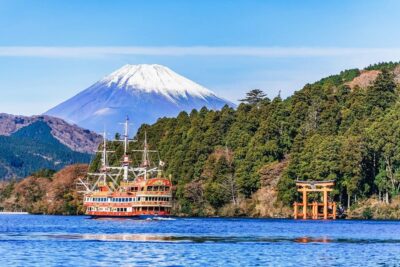
Tokyo Mt Fuji 5th St & Hakone Cruise Bus Tour w/Bullet Train
Read our review →
Mt. Fuji Tour, Hakone Ropeway, Owakudani, Lake Ashi
Read our review →
Mt Fuji Top 5 Spots Day Tour: Arakurayama Park,Oshino Hakkai
Read our review →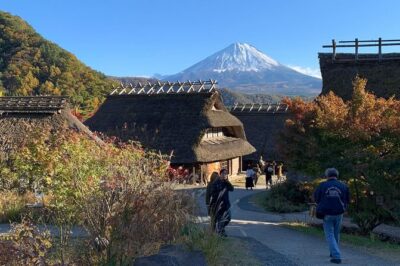
Private Tour to Mt. Fuji and Hakone (Fully Licenced Operator)
Read our review →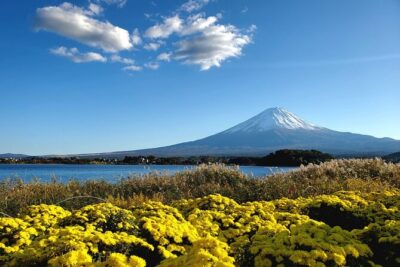
Mount Fuji Full-Day Private Tour from Tokyo (Customizable)
Read our review →Browse the lists this tour appears in