
REVIEW · NAGOYA TOURS
From Nagoya: Eihoji, Enakyo, Magomejuku & Tsumagojuku Day Tour
The best part of this day trip is the contrast: quiet Zen gardens, broad views over the Enakyo reservoir, and two old post towns where wooden buildings still line the road. In one day, you move from temple calm to mountain scenery to Edo-period streets.
I like the well-balanced schedule, with about two hours in Magome and more than an hour in Tsumago. I also like that transport and entry fees are covered, which makes the $63.04 price easy to understand. The main caution is language: English and Chinese commentary may share one bus, and clear English service is not guaranteed on every departure.
In This Review
- Key things to know before booking
- Four sides of central Japan in one long day
- Starting near Nagoya Station at 8:30
- Eihoji Temple: a quiet beginning in Tajimi
- Enakyo and the Oi Dam reservoir
- Magome-juku: two hours on the old Nakasendo
- Tsumago-juku: a quieter preserved post town
- What the $63.04 price really covers
- Guide language and the quality of the commentary
- Pace, walking, weather, and practical limits
- Who should book this day trip?
- Should you book the Eihoji, Enakyo, Magome and Tsumago tour?
- FAQ
- Where does the tour start?
- What time does the tour leave?
- Where does the tour end?
- How long does the experience last?
- What is included in the price?
- Is lunch included?
- Is the Enakyo sightseeing boat included?
- Can I bring luggage?
- What happens if the tour does not reach its minimum group size?
Key things to know before booking
- Four very different sights in one day: Eihoji Temple, Enakyo, Magome-juku, and Tsumago-juku each offer a distinct experience.
- Magome gets the longest visit: You have about two hours for food, shops, views, and historic buildings.
- Eihoji includes steep sections: The temple garden is beautiful, but some slopes require care.
- Lunch is not included: You will need to buy food during the day, likely during the Magome stop.
- Language service can vary: The bus may carry both English- and Chinese-speaking passengers, with commentary divided between the two languages.
- Return time is not fixed: Traffic, weather, holidays, and road conditions can shorten visits or delay your arrival back in Nagoya.
Four sides of central Japan in one long day
This is not a slow countryside retreat. It is a full sightseeing day that covers several places outside Nagoya, using an air-conditioned coach to connect them.
That format works well if you have limited time in the Nagoya area. You can see a historic Zen temple, a major scenic viewpoint, and two preserved Nakasendo post towns without arranging several separate train and bus connections.
The trade-off is time on the road. The tour lasts roughly nine to ten hours, and the exact transfer times depend on traffic. You should think of it as an efficient overview rather than a leisurely stay in each place.
The most praised part of the experience is the scenery and the guides. Guides named Liu and Janet received especially warm comments for being friendly, informative, and attentive. Another guide team, 小刘 and 神原先生, was singled out for going beyond the basics. That personal touch can make a big difference on a long coach day.
Still, service may vary by departure. One English-speaking passenger found that most of the commentary was in Chinese, despite booking an experience described as English or Chinese guided. If historical explanation matters greatly to you, confirm the language arrangement before paying.
Other Nagoya days people book alongside this one:
- From Nagoya: Gujo, Hida Takayama, and Shirakawa-go Day Tour
★ 4.4 · 398 reviews - Ghibli Park 1-Day Bus Tour from Nagoya
★ 4.5 · 277 reviews - From Nagoya: Hida Takayama & Shirakawa-go Tour w/Opt. Lunch
★ 4.5 · 256 reviews
Starting near Nagoya Station at 8:30
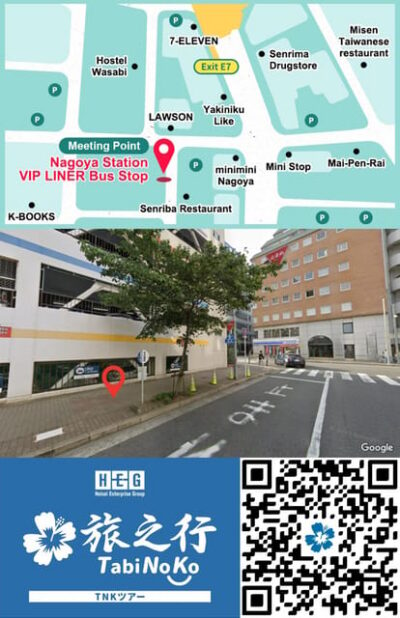
The meeting point is the VIPLINER Nagoya bus stop at 20-20 Tsubakicho, Nakamura Ward. You should arrive at least ten minutes before the 8:30 a.m. departure. The bus will not wait for late arrivals, so this is not the morning to cut things close.
The location is near public transportation, but you should allow time to identify the correct bus stop. Bring your booking details and confirm your name with the guide or staff on the participant list.
The coach is air-conditioned, a welcome feature on a long day that may include warm walking conditions. One piece of luggage per person is allowed, but the total combined height, width, and depth should not exceed 155 centimeters if it goes in the trunk. Keep valuables and anything you need between stops with you, since trunk luggage cannot be reached during the tour.
The maximum group size is listed as 99 people. That is a large possible group, and the feel of the day will depend on the actual departure size. The tour also requires at least ten participants. If that minimum is not reached, you should be notified about three to four days before departure and offered another date or a full refund.
Eihoji Temple: a quiet beginning in Tajimi
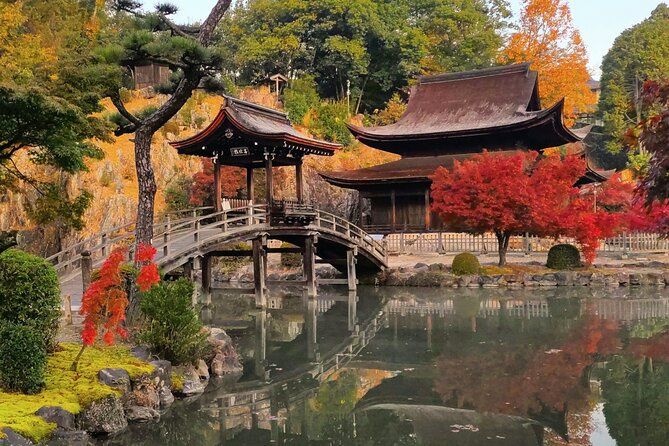
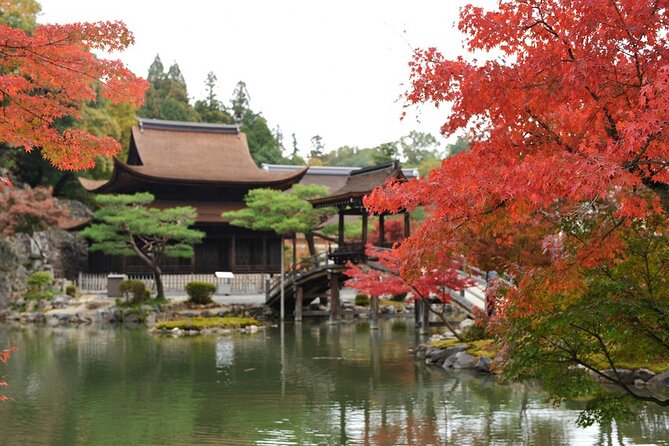
Kokeizan Eihoji Temple is in the northern part of Tajimi, in Gifu Prefecture. Founded during the Kamakura period, it is a Rinzai Zen temple with two structures designated as National Treasures.
The visit lasts about one hour. That is enough to see the main grounds and garden, but not enough for a slow, unhurried study of every building. The setting gives the day a calm start, before the bus heads toward the larger views and historic towns.
The Eihoji garden is the main draw. Expect a solemn, peaceful setting with carefully arranged scenery and old temple structures. This is a good place to slow your pace, notice the garden details, and take photographs without the noise of a commercial district.
You should wear shoes that are comfortable for walking. Some parts of the grounds have steep slopes, and the information for the tour specifically advises caution. The temple is not the best stop for anyone wanting a completely flat route.
The admission fee is included, so you do not need to budget extra for entry. The guide can also give the temple visit useful historical context, although the amount of English explanation may vary depending on the language setup of your bus.
Enakyo and the Oi Dam reservoir
Enakyo is the scenic pause in the middle of the cultural program. From the observatory, you can look over the Ena Gorge, the winding river, and the surrounding mountains.
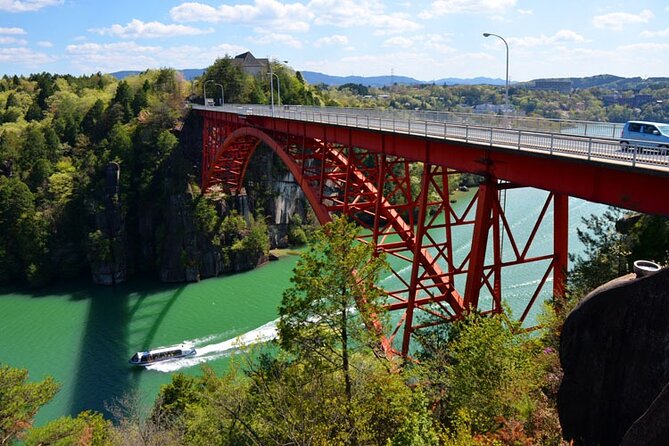
The area includes an artificial lake created by the Oi Dam. Sightseeing boats operate on the lake, and unusual rock formations line both shores. There is also a lakeside park and a network of walking paths.
The tour focuses on the view rather than a boat ride, and no cruise is listed as included. That matters if you are picturing a full lake excursion. You should expect time for the observatory and nearby scenery, with the precise schedule shaped by traffic and weather.
The view changes as you move around the area, so do not stop at the first photo spot. The Enakyo Bridge and the water are especially attractive in clear weather, while seasonal color can add another layer to the scene. One particularly favorable account highlighted the cherry blossoms and the Enakyo Bridge.
Weather affects this stop more than the temple or post towns. On a clear day, the gorge and mountain views give the trip a strong visual center. In poor weather, the outlook may be limited, and the operator can reduce planned attractions during severe conditions without a refund.
Same city, a completely different kind of day:
- Hiking the Historic Nakasendo Trail [1 Day Tour from Nagoya]
★ 5.0 · 104 reviews - Nagoya Highlight Tour guided by a friendly local
★ 5.0 · 86 reviews - Nagoya: Japanese Traditional Sweets making and Tea Ceremony
★ 4.9 · 76 reviews - Magome-juku, Tsumago-juku & Ena-kyo 1d Bus Tour from Nagoya
★ 4.6 · 75 reviews
Magome-juku: two hours on the old Nakasendo
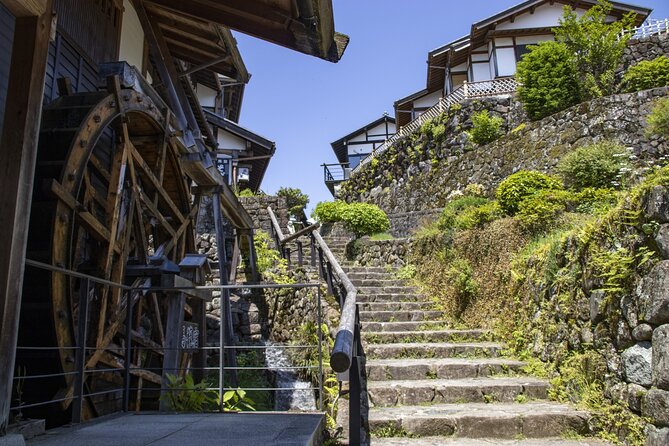
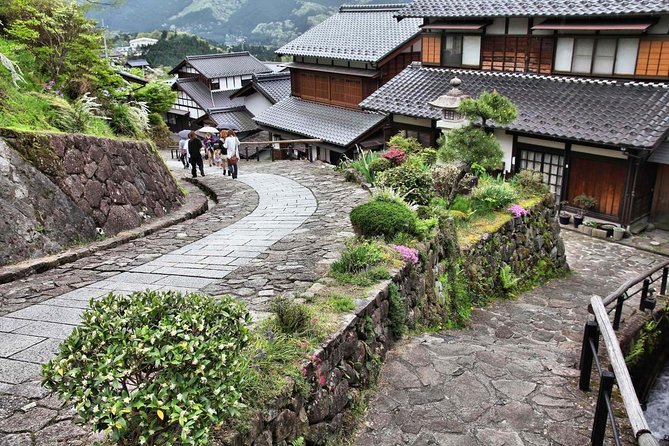
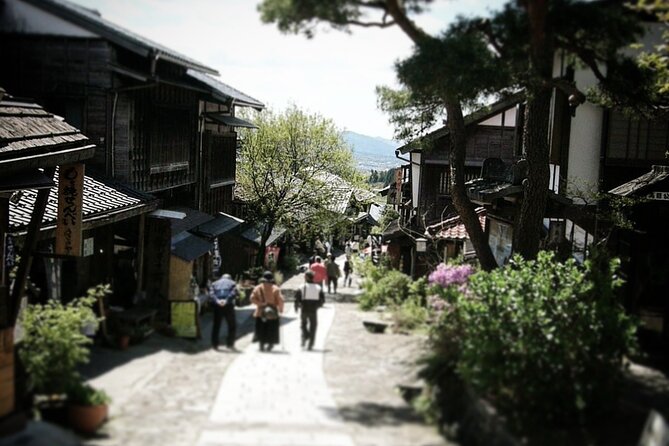
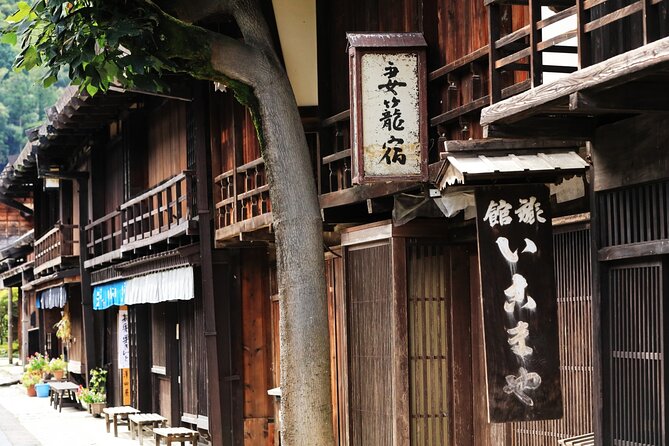
Magome is the longest stop, with about two hours to explore. It was a post town on the Nakasendo, the old route linking Edo, now Tokyo, with Kyoto during Japan’s feudal period.
The town is known for its preserved wooden buildings and cobbled streets. Walking here feels different from visiting a single monument. You move through a complete old settlement, with shops, food stops, small museums, and views opening between the buildings.
Start by getting your bearings, then use your free time according to your interests. You might browse handmade goods, take photographs, visit the Magome Waki-honjin History Museum, or settle down for a local snack.
Magomekan is a useful food stop. It serves light meals, including gohei-mochi, a skewered rice cake covered in a sweet miso and walnut sauce. Lunch is not included, so this is the point where you should plan your meal rather than assume one has been arranged.
The pond in Magome offers a view toward Mount Ena. It is a small but worthwhile detail, especially if you want a quieter photo spot away from the main street.
The Magome Waki-honjin History Museum reconstructs part of a former waki-honjin, an inn used by officials and feudal lords. Inside, household objects and furnishings show how the building functioned in its earlier period. The site is open as a museum and has been reconstructed to reflect the original structures.
Two hours sounds generous, but it can pass quickly if you want food, shopping, photographs, and the museum. I would not spend the entire visit at one restaurant or shop. The appeal of Magome is the combination of street life and historical detail.
Tsumago-juku: a quieter preserved post town
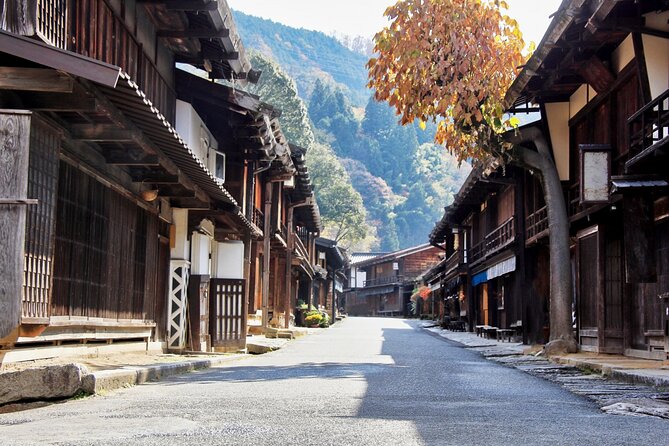
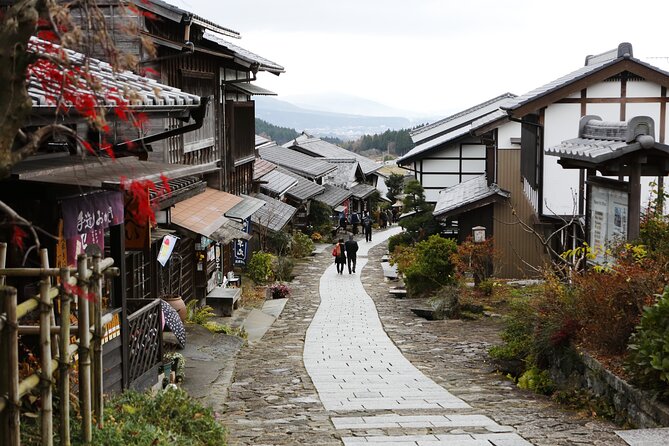
Tsumago is in Nagiso, Nagano Prefecture, and was another Nakasendo post town. It is known for preserving its streets and traditional buildings, creating a strong sense of an old route town rather than a modern tourist center.
You have about one hour and ten minutes here. That is enough for a focused walk and photographs, but it leaves less room for a long meal or extensive shopping.
Tsumago was used as lodging for feudal lords and shogunate officials during the Edo period. One former lodging site is now a museum, reconstructed to reflect its original buildings. This gives you a chance to see how an official stopping place was arranged, rather than only looking at the street fronts.
The shorter visit is both a benefit and a limitation. You can see the main area without feeling lost, but you will need to keep an eye on the meeting time. If you enjoy museums and detailed reading, you may want to make the museum your priority. If you prefer atmosphere and photographs, use the time for a steady walk through the preserved streets.
Magome and Tsumago are similar enough that some people may find the second stop repetitive. I think the difference is useful: Magome offers more time for food and shops, while Tsumago gives you another view of the Nakasendo town style with a shorter, more compact visit.
What the $63.04 price really covers
At $63.04 per person, this is priced as an economical full-day coach excursion. The fee includes an English- or Chinese-speaking guide, air-conditioned transportation, all listed entrance fees, and taxes.
That is solid value if you want to combine places that are spread across Gifu and Nagano prefectures. Organizing the same day independently would require careful planning around buses, regional trains, and connections to rural sites. The coach also removes the need to navigate between four stops.
The price does not include lunch or personal expenses. You should bring money for food, drinks, souvenirs, and any optional purchases. Do not assume a lake cruise is included, since boat rides are mentioned as operating in the area but are not part of the listed inclusions.
The value is strongest for first-time visitors to the region who want variety. It is less compelling if you want a slow temple visit, a long Nakasendo walk, or several hours in one town. This tour gives you a broad sample, not a single deep exploration.
Guide language and the quality of the commentary
The tour is offered with English- or Chinese-speaking guidance. On departures with fewer participants, both languages may be presented on the same bus.
That arrangement can work well when the guide keeps explanations clear and evenly divided. Guides such as Liu and Janet have been described as friendly, helpful, and full of useful historical information. Liu also offered recommendations for other things to do in Nagoya, which is handy if you are building a wider itinerary.
But you should treat the language arrangement as a real booking consideration. An English-speaking passenger reported losing much of the explanation because the guide conducted most of the tour in Chinese. Another noted that the guide herself was excellent, but the language balance did not match expectations.
If you are comfortable with a mixed-language bus and mainly want transport to the sights, this may not bother you. If you want detailed English commentary at every stop, contact the operator before departure and ask how the guide service will be handled for your date.
Pace, walking, weather, and practical limits
The schedule is fairly well spaced. Magome receives two hours, Tsumago about seventy minutes, and Eihoji one hour. That gives you time to see the main features without racing through every stop.
You will still walk on cobblestones, paths, and slopes. Eihoji has steep areas, while Magome and Tsumago require walking through historic streets. Comfortable footwear will make the day easier.
The itinerary can change because of traffic, weather, holidays, or other conditions. Severe congestion may lead to fewer attractions, and the return to Nagoya can be late. Do not book a restaurant reservation, cruise departure, or other time-sensitive activity immediately after the tour.
The tour ends back at the Nagoya meeting point. The listed duration is about nine to ten hours, but that is an estimate rather than a guarantee.
Free cancellation is available up to 24 hours before the 8:30 a.m. start time for a full refund. Changes or cancellations inside that window are not accepted for a refund. If the minimum group size is not reached, the operator offers another date or a full refund.
Who should book this day trip?
I would recommend it to you if you are staying in Nagoya and want an easy way to reach rural cultural sites beyond the city. It suits first-time visitors, photographers, history fans, and anyone who prefers a guided coach to a complicated independent route.
It is also a good match if variety matters more than depth. You will see temple gardens, a reservoir and gorge, two post towns, local food, and a small historical museum in one day.
I would hesitate if you need guaranteed English commentary, dislike fixed schedules, or want to hike a substantial section of the Nakasendo Trail. The tour visits Magome and Tsumago, but it does not present itself as a long trail walk between them.
Should you book the Eihoji, Enakyo, Magome and Tsumago tour?
Book it if you want maximum variety for a moderate price and accept a long day with changing scenery and limited control over the schedule. The combination of included transport, admissions, and guide service makes $63.04 a reasonable deal.
Before booking, ask about the language balance on your departure. That one question may determine whether the experience feels informative or simply scenic. If the operator confirms strong English coverage, this is a practical way to see four appealing places outside Nagoya without managing the connections yourself.
FAQ
Where does the tour start?
It starts at the VIPLINER Nagoya bus stop at 20-20 Tsubakicho, Nakamura Ward, Nagoya, Aichi 453-0015, Japan.
What time does the tour leave?
The scheduled departure time is 8:30 a.m. You should arrive no later than ten minutes before departure.
Where does the tour end?
The tour returns to the same meeting point in Nagoya.
How long does the experience last?
The tour lasts approximately nine to ten hours. Traffic, weather, holidays, and other conditions can affect the schedule and return time.
What is included in the price?
The price includes an English- or Chinese-speaking guide, an air-conditioned coach, all entrance fees, and taxes.
Is lunch included?
No. Lunch is not included, and you should budget separately for food and personal expenses.
Is the Enakyo sightseeing boat included?
No boat ride is listed as included. Sightseeing boats operate on the lake, but the tour information does not include a cruise in the price.
Can I bring luggage?
One piece of manageable luggage is allowed per person. Luggage stored in the trunk should not exceed 155 centimeters in combined height, width, and depth, and you cannot access it between stops.
What happens if the tour does not reach its minimum group size?
The tour may be canceled if fewer than ten people book. You should be notified about three to four days before departure and offered a different date or experience, or a full refund.
Just added around Nagoya
- Pub Crawl in Nagoya★ 5.0 · 15 reviews
- Walking Small-Group Nagoya City Tour★ 5.0 · 13 reviews
- Sumo Tournament Experience in Nagoya★ 5.0 · 12 reviews
- Nagoya Endoji Food and Cultural Tour★ 5.0 · 12 reviews
- Nagoya: 2026 Hida Takayama Shirakawa-go Light-up Winter Tour★ 3.5 · 16 reviews
- Private Full-day Nagoya City Tour★ 5.0 · 22 reviews
- Nagoya Street Food Walking Tour of Osu★ 5.0 · 28 reviews
- Nagoya Private Tour with a Local: Highlights & Hidden Gems★ 5.0 · 13 reviews
Nagoya Tours, compared.

Hiking the Historic Nakasendo Trail [1 Day Tour from Nagoya]
Read our review →
Nagoya Highlight Tour guided by a friendly local
Read our review →
Japanese Traditional Sweets making and Tea Ceremony
Read our review →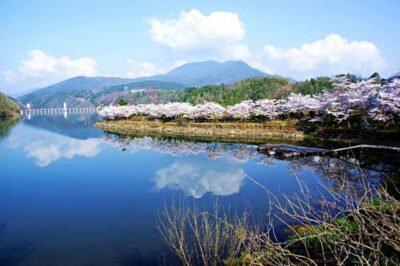
Magome-juku, Tsumago-juku & Ena-kyo 1d Bus Tour from Nagoya
Read our review →
Nagoya Full-day Private Custom Tour with National Licensed Guide
Read our review →Browse the lists this tour appears in