
REVIEW · TAKAYAMA TOURS
From Kanazawa: Shirakawago, Hida-Furukawa and Takayama Visit
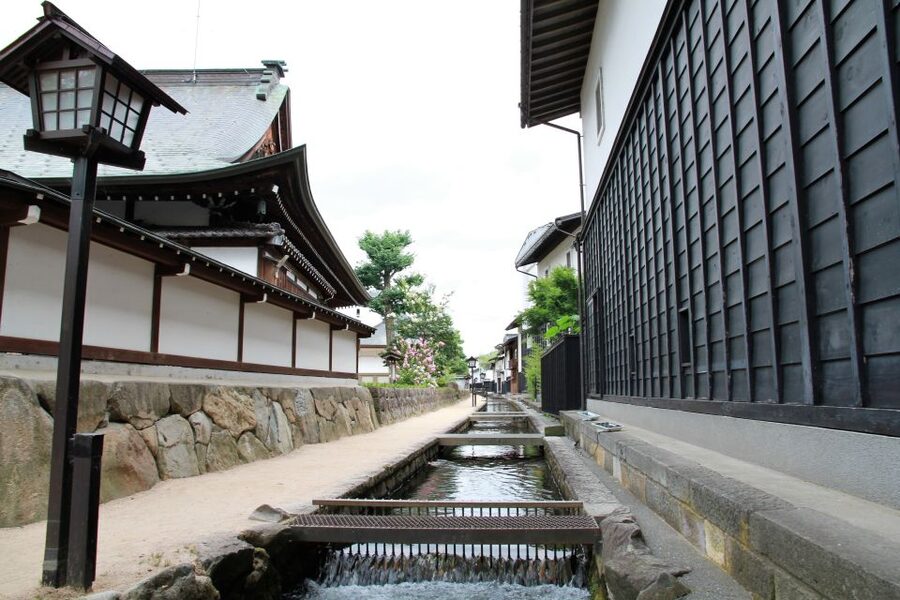
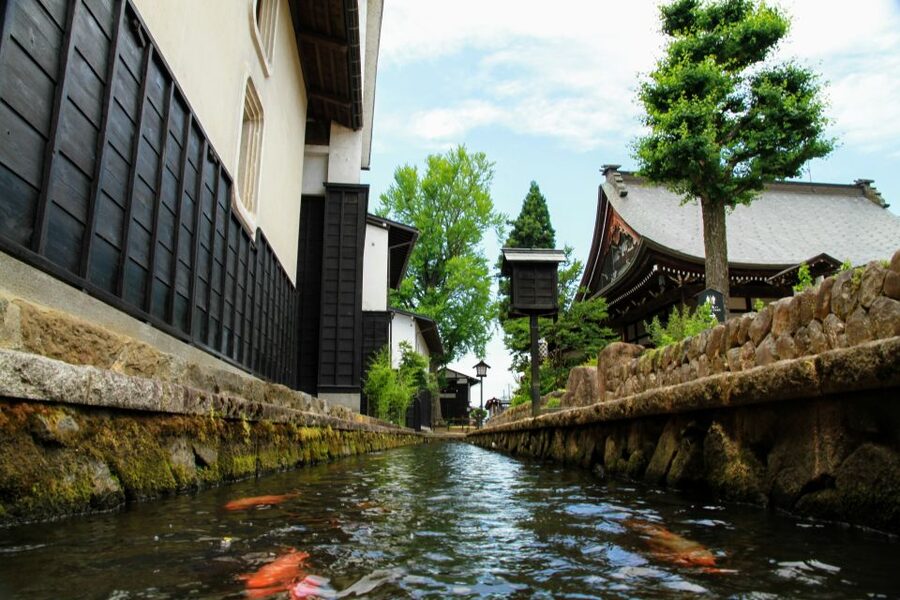
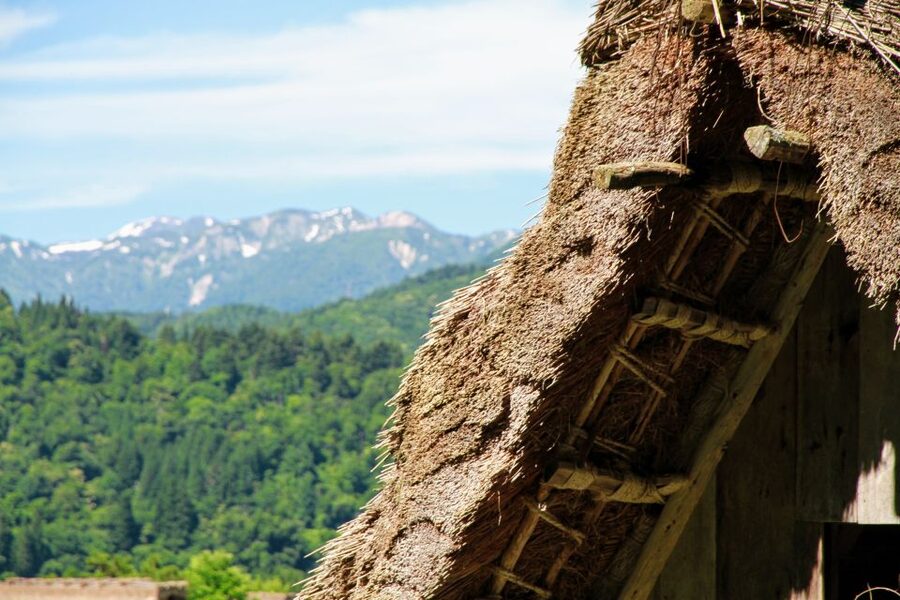
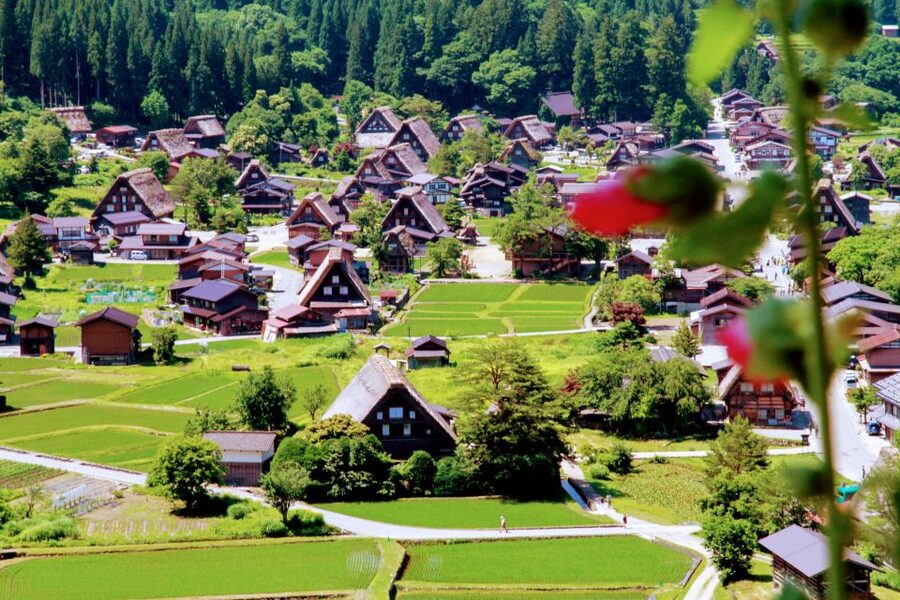
Shirakawago is the star of this day, with steep thatched roofs, mountain scenery, and a pedestrian bridge over the Sho River that gives you the classic entrance view. I like that you also reach Hida-Furukawa, a quieter canal town with carp-filled waterways, and that a private car removes the need to piece together several regional buses.
I also like the personal feel of a private group, plus the useful local touches supplied by guides such as Yuka and Yuta. The main concern is time: nine hours covers a lot of ground, and one unhappy guest found the stops too rushed and the return earlier than expected. This works best when you value convenience and variety over a slow, deep visit to one town.
In This Review
- Key points at a glance
- Why this Kanazawa day trip covers so much
- Starting from Kanazawa in a private car
- Shirakawago and the Sho River bridge
- Hida-Furukawa’s canals and koi
- Takayama’s old town in two hours
- What the $850 private price really means
- Guides, weather, and the feel of the day
- The pacing question you should settle before booking
- Who will get the most from this trip
- Should you book it?
- FAQ
- How long does the tour last?
- Where does pickup take place?
- Is the tour private?
- What language does the guide speak?
- How much time do I get in Shirakawago?
- How much time is allowed in Hida-Furukawa and Takayama?
- Are meals included?
- What is included in the price?
- Can I cancel the booking?
- Is the tour wheelchair accessible?
Key points at a glance
- Shirakawago gets the longest stop: You have 2.5 hours to cross the Sho River pedestrian bridge and explore the UNESCO village.
- Hida-Furukawa offers a quieter change of pace: The canal streets and large koi fish give you a gentler town visit between the two major sights.
- Takayama adds Edo-period character: You have two hours to see the preserved old town, known for carpentry and sake brewing.
- A private vehicle saves time: Hotel pickup, transport, and return to Kanazawa are included, with no need to manage regional connections.
- The price favors a full group: At $850 for up to three people, the cost is much easier to justify when shared by three.
- Pacing needs attention: Ask your guide to confirm the planned stop lengths, especially if you want a relaxed lunch or extra time in Takayama.
Why this Kanazawa day trip covers so much
This is not a single-attraction outing. It links three places in the mountain region of Honshu, each with a different feel. Shirakawago supplies the famous rural setting, Hida-Furukawa brings canals and carp, and Takayama gives you preserved town streets, woodwork, and sake culture.
I like this mix because you do not spend the whole day looking at versions of the same thing. You move from a village shaped by heavy mountain snow, to a smaller canal town, then to a more substantial old district with Edo-period buildings.
The tradeoff is the road time. The stated stops total 5.5 hours inside a nine-hour day, so the remaining time is used for driving between Kanazawa and the three destinations. That makes the private car especially useful, but it also means this is a broad introduction rather than a slow regional stay.
Other Takayama days people book alongside this one:
- Kanazawa: World Heritage Shirakawa-go Morning Guided Tour
★ 4.9 · 988 reviews - Kanazawa: World Heritage Shirakawa-go & Two Local Experience
★ 4.9 · 274 reviews - Kanazawa/Takayama: Shirakawago & Takayama Private Day Tour
★ 4.8 · 172 reviews
Starting from Kanazawa in a private car
Your English-speaking driver-guide picks you up at your Kanazawa accommodation. You should wait in the hotel lobby about 10 minutes before the scheduled pickup, and meet the driver at reception.
The vehicle matters here. This route connects several towns away from Kanazawa, and a private car lets your group travel directly without changing trains or buses. You can also ask questions as you go and point out places you would like to understand better.
One practical detail came through clearly in the strongest feedback: the Japan Taxi was comfortable, and lowering the front passenger seat helped create a better view of the mountain scenery. That sort of small adjustment can make a long driving day more pleasant, especially if you want to watch the route rather than nap through it.
The guide quality can shape the whole experience. Yuka was praised for careful driving and a warm, professional manner, while Yuta received high marks for guiding during heavy rain. Those comments point to two things worth asking for at the start: a comfortable pace and clear confirmation of how much time you will have at each stop.
Shirakawago and the Sho River bridge
You get 2.5 hours in Shirakawago, the longest stop of the day. That is sensible. This is the place most people picture when they think of the route, with traditional steep thatched-roof houses set against the mountains.
The pedestrian bridge across the Sho River gives you a strong first view of the village. It is also a practical marker: once across, you can begin exploring on foot instead of worrying about traffic or parking.
The village is often described as fairytale-like, but the real appeal is more useful than that phrase suggests. The buildings show how communities adapted to a snowy mountain setting, and the old homes make the visit feel rooted in local life rather than built only for sightseeing.
With 2.5 hours, you have enough time to walk around and get a feel for the village. You should still avoid treating that as unlimited time. If you want a long meal, extensive shopping, or a slow look at every building, the schedule may feel tight.
I would use this stop for the village walk first. Take in the bridge view, stroll the lanes, and keep track of the pickup time. If a particular house or viewpoint catches your eye, tell the guide early rather than waiting until the end.
Admission to Shirakawago is included. Food and drinks are not, so bring cash and plan your lunch budget separately.
Hida-Furukawa’s canals and koi
The route then continues to Hida-Furukawa, where you get one hour to explore and eat lunch. This is the shortest stop, so your expectations should be modest: it is a taste of the town, not a full afternoon visit.
The canal-lined streets are the reason this stop earns its place. The waterways contain large koi, and one guide adjusted the route to show a quieter canal with hundreds of the fish. That is a distinctive detail you might otherwise miss if you simply rushed through town.
Hida-Furukawa is also known for timber craftsmanship and festivals. Its connection to woodwork fits neatly with the wider region, where traditional carpentry remains part of the area’s identity. I like the contrast with Shirakawago: instead of a famous mountain village, you get a smaller town whose appeal rests on its canals, craftsmanship, and calm streets.
One hour must cover both lunch and sightseeing. That is the clearest pressure point in the itinerary. If you stop for a full restaurant meal, you may have little time left for walking. If the canals matter more to you, keep lunch simple and confirm the meeting time before setting off.
The tour does not include food or drinks. Cash is listed among the recommended items, so it is sensible to carry some for lunch and small purchases.
Same city, a completely different kind of day:
- Departing from Takayama [Regular sightseeing bus] World Heritage Sites Shirakawago and Gokayama Ainokura
★ 4.5 · 137 reviews - From Takayama: Guided Day Trip to Takayama and Shirakawa-go
★ 4.9 · 113 reviews - Takayama: Onigiri and miso soup making at a buddhist temple
★ 4.9 · 93 reviews - Ninja Experience in Takayama – Basic Course
★ 5.0 · 62 reviews
Takayama’s old town in two hours
Takayama is the final major stop, with two hours to explore. The town is known for carpentry, sake brewing, and preserved buildings dating from the Edo period.
This gives the day a more urban finish. After Shirakawago’s rural setting and Hida-Furukawa’s canals, Takayama brings old streets and traditional buildings into a town setting. You can focus on the architecture, look for signs of the area’s woodworking tradition, and sample the atmosphere of a place shaped by skilled craftsmen.
Two hours is enough for a useful introduction, but not enough to see every corner at an unhurried pace. I would decide in advance what matters most to you. If you care about old buildings, keep your walk focused. If sake brewing is your main interest, tell the guide so the available time is used well.
The wording around the stop calls it a preserved village, but you should think of Takayama here as a preserved old town district rather than a tiny rural settlement. That distinction helps set the right expectation. You are getting a compact visit to a historic town area, not a full Takayama stay.
Takayama is also the point where the schedule can feel compressed. One person found the entire day too tightly timed and felt it functioned more like a transfer with sightseeing attached. That is not inevitable, but it is a fair warning. Ask for the full plan at pickup, and speak up if you need a few extra minutes in one place.
What the $850 private price really means
The price is $850 per group of up to three people. That is expensive for one person, but the calculation changes if you fill the vehicle:
- One person: $850 each
- Two people: $425 each
- Three people: about $283 each
The fee includes hotel pickup and drop-off, private transport, an English-speaking driver-guide, all listed taxes and handling charges, and admission to Shirakawago. You still pay for food and drinks.
I see the strongest value for a small family or group of friends that wants a direct, private route. You are paying for the vehicle, the guide, and the time saved by avoiding public transport connections. That convenience can be worth a lot on a nine-hour day with three separate stops.
The value is weaker if you are traveling alone and mainly want a guided visit to one destination. In that case, the per-person cost is steep, and the short stops may not give you the depth you want.
The private format also lets you ask for small adjustments. A request for a quieter canal led to a memorable koi stop, and another guest appreciated a better front-seat view from the taxi. These details are not guaranteed, but they show why a private outing can feel more personal than a large coach route.
Guides, weather, and the feel of the day
The guide is not only there to point out buildings. On this route, the driver also manages a long day on mountain roads, keeps the group on schedule, and helps you notice small details.
Yuka was singled out for sensational driving skills and a warm, professional approach. Yuta guided successfully through pouring rain, and the day still felt worthwhile despite the weather. That matters because this route depends heavily on the scenery and walking, both of which can be affected by poor conditions.
Bring comfortable shoes and clothes. You will walk in village and town areas, and the schedule moves between stops rather than keeping you seated all day. Cash is also practical because lunch and drinks are excluded.
The experience is wheelchair accessible, but the supplied information does not describe the exact vehicle setup or the surfaces at each stop. If you use a wheelchair, confirm the transport and walking arrangements before booking so the day matches your needs.
The pacing question you should settle before booking
The tour’s biggest strength and weakness are the same thing: it covers three destinations from Kanazawa in one day.
I like the range. You can see the signature village at Shirakawago, a quieter waterway town at Hida-Furukawa, and Takayama’s old district without changing hotels or organizing several separate trips.
But this is a schedule to manage, not a day to drift through. Hida-Furukawa gets only one hour, including lunch. Takayama gets two hours. Shirakawago gets the best allotment, but even there you should watch the clock.
A previous guest felt especially disappointed after returning earlier than planned. The provider responded to that complaint with a partial refund offer and promised steps to improve the service. That response is reassuring, but it does not remove the need for you to clarify the schedule in advance.
At pickup, I would ask three simple questions:
- Are the stop lengths still 2.5 hours, one hour, and two hours?
- Where and when should I meet you at each stop?
- Can we protect sightseeing time by keeping lunch brief?
Those questions are not fussy. They help prevent a full day from becoming a series of hurried photographs.
Who will get the most from this trip
I would recommend this outing to you if you are staying in Kanazawa and want to see several major sights in the surrounding region without planning a complicated transport route.
It fits especially well for:
- A private group of up to three people
- Families that value hotel pickup and a dedicated vehicle
- Visitors with only one day for Shirakawago, Hida-Furukawa, and Takayama
- People who want an English-speaking guide while driving through the region
- Anyone who prefers a flexible private setting to a large group tour
I would hesitate if your main goal is a slow, detailed visit to Takayama or Hida-Furukawa. The schedule gives you an introduction to both, but not the time for a long meal, extended shopping, or a careful visit to every historic street.
I would also think twice if you are traveling alone and watching your budget closely. The price makes much more sense when divided among two or three people.
Should you book it?
Book this tour if you want breadth, privacy, and simple transport from Kanazawa. Shirakawago gets enough time to feel worthwhile, the koi canals of Hida-Furukawa add a quieter and less expected stop, and Takayama rounds out the day with old-town character, carpentry, and sake culture.
Do not book it expecting a leisurely pace at every stop. The day works best when you choose your priorities before leaving and make sure the guide understands them. For three people sharing the $850 cost, it can be a practical way to reach places that are awkward to combine independently. For one person seeking a slow cultural visit, the price and schedule may be harder to justify.
FAQ
How long does the tour last?
The tour lasts nine hours.
Where does pickup take place?
Pickup is included from your accommodation in Kanazawa. You should wait in the hotel lobby 10 minutes before the scheduled pickup, and meet the driver-guide at reception.
Is the tour private?
Yes. It is a private group experience for up to three people.
What language does the guide speak?
The live guide service is in English, and the driver-guide speaks English.
How much time do I get in Shirakawago?
You get 2.5 hours in Shirakawago.
How much time is allowed in Hida-Furukawa and Takayama?
You get one hour in Hida-Furukawa, including time to explore and have lunch. You get two hours in Takayama.
Are meals included?
No. Food and drinks are not included.
What is included in the price?
The price includes hotel pickup and drop-off, private vehicle transport, an English-speaking driver-guide, all listed taxes, fees and handling charges, and admission to Shirakawago.
Can I cancel the booking?
You can cancel up to 24 hours in advance for a full refund. The activity also allows you to reserve now and pay later.
Is the tour wheelchair accessible?
Yes, the activity is listed as wheelchair accessible. The supplied details do not specify the exact vehicle configuration or surfaces at each stop, so confirm those arrangements before booking if needed.
Just added around Takayama
- Takayama: Takayama Jinya & Old Town Private Walking Tour★ 4.5 · 32 reviews
- Takayama: Private Night Walking Tour with Dinner★ 4.5 · 13 reviews
- Takayama: Private Walking Tour with a Local Guide★ 4.6 · 29 reviews
- Takayama Private Custom Tour with Local Guide★ 5.0 · 31 reviews
- Takayama: Onigiri and miso soup making at a buddhist temple★ 4.9 · 93 reviews
- Takayama: Edo-Period Old Town Walking Tour★ 4.5 · 22 reviews
- Shirakawago&HidaTakayama&GujoHachiman 1 Day Tour from Nagoya★ 4.5 · 14 reviews
- Sake Tasting: Educational Tour of Six Takayama Breweries★ 5.0 · 14 reviews
Takayama Tours, compared.
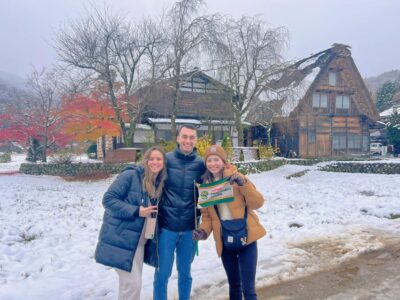
World Heritage Shirakawa-go Morning Guided Tour
Read our review →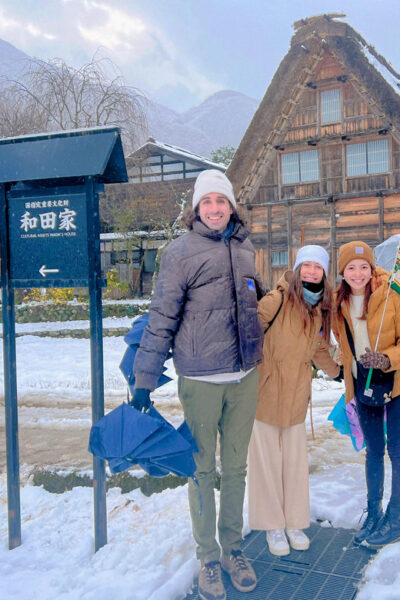
World Heritage Shirakawa-go & Two Local Experience
Read our review →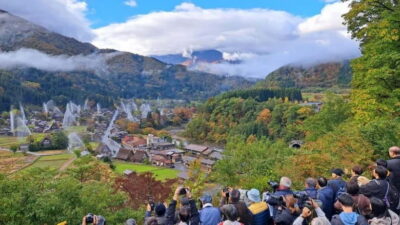
Kanazawa/Takayama: Shirakawago & Takayama Private Day Tour
Read our review →![Departing from Takayama [Regular sightseeing bus] World Heritage Sites Shirakawago and Gokayama Ainokura](https://f.bestjapantours.com/wp-content/uploads/departing-from-takayama-regular-sightseeing-bus-world-heritage-sites-shirakawago-and-gokayama-ainokura-400x266.jpg)
Departing from Takayama [Regular sightseeing bus] World Heritage Sites Shirakawago and Gokayama Ainokura
Read our review →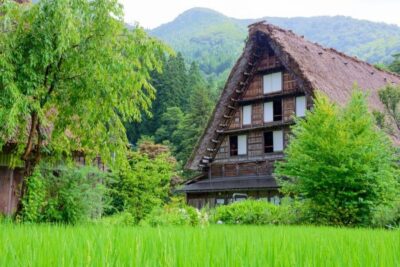
Onigiri and miso soup making at a buddhist temple
Read our review →
Browse the lists this tour appears in