
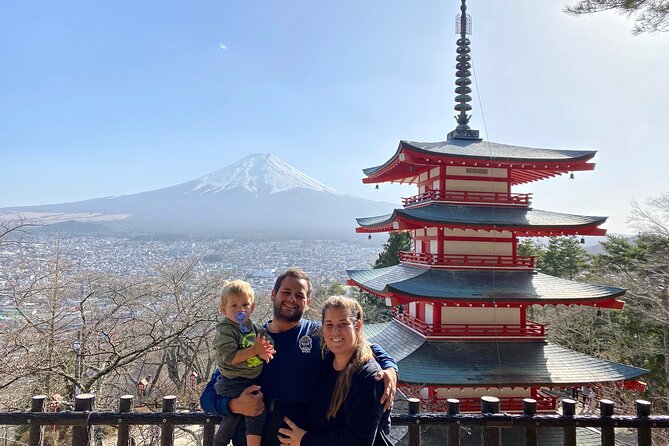
REVIEW · MOUNT FUJI DAY TRIPS
Full Day Tour to Mount Fuji in Spanish
Mount Fuji is the star here, but this is not simply a drive to one famous viewpoint. The day circles the mountain through waterfalls, lakes, villages, shrines, and volcanic caves, giving you a fuller sense of the area than a single photo stop can provide. Guides such as Dario and Tito add Spanish explanations about Japanese culture, religion, and local customs.
I like two things in particular: the route changes with the weather, and the small group size keeps the day more personal. I also like the mix of famous sights and less obvious stops around Lake Kawaguchiko. The main drawback is the pace. Eleven stops in 10 to 11 hours means many visits last only 30 to 45 minutes, and clear views of Fuji are never guaranteed.
In This Review
- Key points at a glance
- Why this Mount Fuji day is different
- Starting in Mishima at 8:00 a.m.
- Shiraito Falls and the volcanic beginning
- Motosuko and Saiko, two lakes with different stories
- Saiko Iyashi no Sato Nemba, a village rebuilt
- Aokigahara Forest with a careful explanation
- Fugaku Wind Cave and the remains of lava
- Lake Kawaguchiko and the search for a better view
- Oshino Hakkai and local food
- Chureito Pagoda, the classic Fuji photograph
- Kitaguchi Hongu Fuji Sengen Jinja
- Yamanakako, the largest of Fuji’s five lakes
- How much value do you get for $96.17?
- Who should book this Spanish-language excursion?
- Should you book it?
- FAQ
- Where does the tour start?
- What time does the tour begin?
- Where does the tour end?
- Is lunch included?
- How many people can join the tour?
- What happens if poor weather cancels the tour?
Key points at a glance
- Spanish guidance with local cultural context: Dario, Tito, Riomy, and Min explain Japanese customs, religion, and the stories connected to each place.
- A weather-aware route: The guide may adjust the order or selection of stops to improve your chances of seeing Mount Fuji.
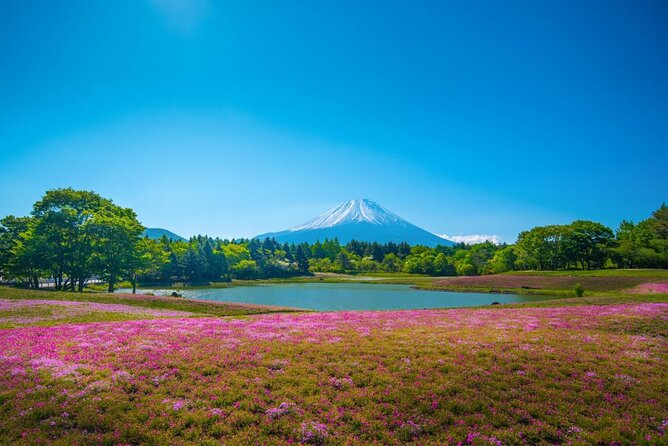
- Eleven different stops: Expect waterfalls, four lakes, a traditional village, a forest, a shrine, a pagoda, and a volcanic cave.
- A small maximum group of nine: This is a better fit for you if you prefer a more personal outing than a large coach tour.
- Food and drinks are partly covered: Snacks and drinks are included, but lunch is not.
- A full day from Mishima: Meet at the Tokai Bus Mishima Information Office at 8:00 a.m. and return there at the end.
Why this Mount Fuji day is different
Many Fuji outings focus on one lake and one classic mountain photograph. This route takes a wider view. You move through the volcanic area shaped by Fuji’s eruptions, then connect those natural features with places tied to Japanese religion, rural life, pilgrimage, and local food.
The Spanish language is a major part of the appeal. Dario is described as having years of experience on this route, and the guide team includes Japanese-Peruvian guides who explain Japanese culture and religion in Spanish. That matters because several stops can look simple at first. A shrine gate, a reconstructed village, or a forest path becomes more meaningful when someone explains how local people relate to the mountain.
The tour also treats Fuji as a sometimes shy subject. Clouds can cover the peak, especially when you need it most. Guides may change the day’s order or choose different viewpoints according to weather and daylight. That flexibility cannot guarantee a clear mountain, but it is more sensible than following a fixed route regardless of conditions.
The tradeoff is time. The itinerary covers a large area, and most stops are short. You will see a lot, but you will not have hours for a long walk, a slow meal, or detailed exploration at every location. Think of this as a well-packed introduction to the Fuji region, not a relaxed stay in one lakeside town.
More mount fuji day trips in Japan:
- Mt Fuji and Hakone 1-Day Bus Tour Return by Bullet Train
★ 5.0 · 26,383 reviews - Mt Fuji & Hakone Cruise, Drum Show Bullet Train 1 Day from Tokyo
★ 4.0 · 7,413 reviews - Tokyo Mt Fuji 5th St & Hakone Cruise Bus Tour w/Bullet Train
★ 4.4 · 5,024 reviews
Starting in Mishima at 8:00 a.m.
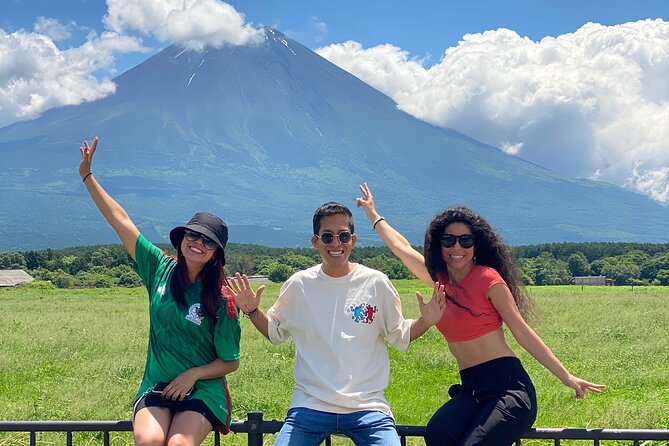
You meet at the Tokai Bus Mishima Information Office, at 17-1 Ichibanchō in Mishima, Shizuoka. The tour begins at 8:00 a.m. and ends back at the same meeting point, which makes the arrangement fairly clear for anyone building a day around Mishima.
The mobile ticket is useful for a quick start, and confirmation is provided when you book. The meeting point is near public transportation, but the supplied details do not specify a hotel pickup service. Plan to reach the office before departure rather than assuming the tour will collect you elsewhere.
A 10 to 11 hour day calls for practical planning. Wear shoes that can handle uneven ground, especially at the waterfall, forest, pagoda, shrine, and cave stops. The itinerary is outdoors for much of the day, so weather can affect comfort as well as Fuji visibility.
Shiraito Falls and the volcanic beginning
The first stop is Shiraito Falls, with about 30 minutes to look around. The falls were formed by past eruptions of Mount Fuji, and their water comes from Fuji and the surrounding mountains.
This is a strong opening because it introduces the mountain through geology rather than through a distant view. Instead of simply seeing Fuji’s cone, you begin with one of the natural features created by its volcanic activity. The clear water and curtain-like shape of the falls make this a scenic stop even if clouds hide the summit.
Admission is included at no extra cost. Thirty minutes is enough for photographs and a quick look, but not for a long walk through the surrounding area. Keep your expectations in line with the schedule: this is an introduction, not a half-day visit.
Motosuko and Saiko, two lakes with different stories
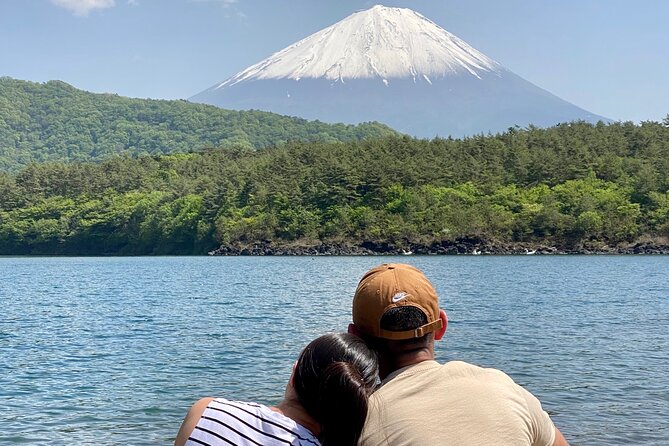
Lake Motosu is next, with roughly 30 minutes. Its view is the one shown on the back of the ¥1,000 bill, so this stop connects a real place with an image familiar to people across Japan.
That detail gives the view extra interest. You are not just stopping beside another lake. You are seeing a scene that appears in everyday Japanese life every time someone handles that banknote. As with every Fuji viewpoint, visibility depends on clouds, light, and the season.
Saiko Lake receives another 30-minute visit later in the day. It sits beside Aokigahara Forest and has been used as a setting for films. The two lakes help show how varied the Fuji Five Lakes area can be, even when each stop is brief.
I would treat these lake visits as photo and orientation stops. If you want a long lakeside walk, quiet time with a book, or a boat outing, this schedule will feel too fast. If your goal is to compare several Fuji-area settings in one day, the short visits make sense.
A few more Japan trips to weigh up
- From Tokyo: Mount Fuji Full-Day Sightseeing Trip
★ 4.5 · 4,970 reviews - Mount Fuji Full-Day Private Tour from Tokyo (Customizable)
★ 4.9 · 1,470 reviews - Hiroshima / Miyajima Full-day Private Tour with Government Licensed Guide
★ 5.0 · 1,298 reviews - Tokyo Private Full-Day Tour by Car or Van
★ 5.0 · 684 reviews
Saiko Iyashi no Sato Nemba, a village rebuilt
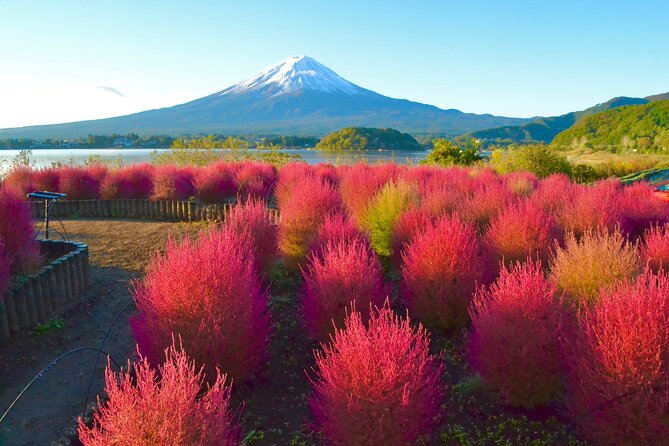
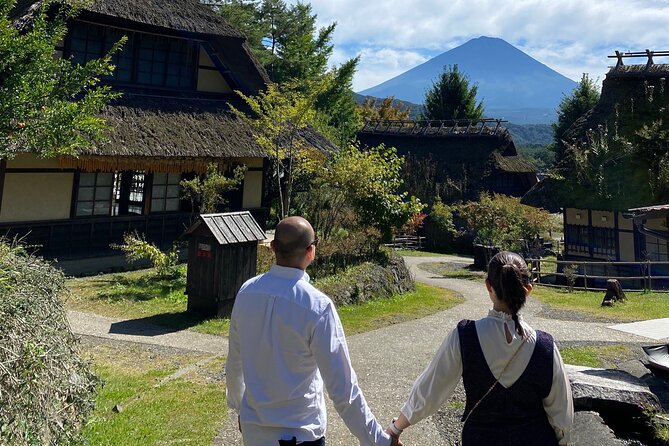
At Saiko Iyashi no Sato Nemba, you have about an hour, and admission is included. This ancestral village in the mountains was destroyed and later rebuilt, giving the visit a human story that balances the natural scenery.
The hour here is useful. Unlike the 30-minute lake and waterfall stops, it gives you time to look at the restored settlement and absorb its setting. The village offers a window into older rural Japan, though the experience is shaped by reconstruction rather than untouched preservation.
This is one of the stops where a Spanish-speaking guide can add real value. The buildings and mountain setting are easy to photograph, but the reasons for rebuilding, the role of the village, and its connection to local life are harder to understand without context.
Admission is covered. You should still expect walking and outdoor conditions. The itinerary does not promise workshops, shopping time, or a traditional meal here, so focus on the village itself.
Aokigahara Forest with a careful explanation
Aokigahara Forest receives about 45 minutes. It is widely known by a grim nickname connected to suicide, and the description of the tour does not avoid that difficult subject. At the same time, it stresses that the forest is still an ordinary natural area, despite the sad stories attached to it.
That balance matters. You should expect a serious stop, not a spooky attraction. The forest is part of the region’s volcanic setting and sits beside Lake Saiko, but its public image can overshadow its natural character.
The 45-minute visit is enough for a short look, though the details do not specify the exact walking route or trail conditions. Stay attentive to the guide and treat the place respectfully. If you would rather keep your day focused on light sightseeing, this stop may feel heavier than the waterfalls and lakes.
Fugaku Wind Cave and the remains of lava
The Fugaku Wind Cave takes about 30 minutes, with admission included. It is a natural underground formation created by eruptions of Mount Fuji, and volcanic lava remains inside.
This stop adds a physical sense of Fuji’s power. At the falls, you see water shaped by eruptions. In the cave, you see the underground traces of those eruptions. Together, they make the mountain’s volcanic past easier to picture.
A cave visit also breaks up the long sequence of open-air viewpoints. The time is short, so do not expect an extended underground tour. Conditions inside caves can differ from outside, and the exact accessibility details are not provided. If you have mobility concerns, ask the operator before booking.
Lake Kawaguchiko and the search for a better view
Lake Kawaguchiko gets about 50 minutes. The guide has identified two less-publicized places around the lake and may take you to them for views and photographs.
This is a useful part of the day for anyone who has already seen the standard Fuji postcard images. The exact locations are not named in the tour details, which means you should not book this expecting a specific landmark. Instead, think of it as a flexible search for a good angle based on light, clouds, and the mountain’s mood.
The guide’s photography skill is another practical advantage noted in the experience details. You may get help finding a better composition or having your picture taken, though photography assistance should not be treated as a formal separate service.
Lake Kawaguchiko is also a likely place for a meal break, but lunch is not included. Bring money for lunch and do not assume that snacks and drinks replace a full meal.
Oshino Hakkai and local food
Oshino Hakkai receives about 45 minutes. It is described as an ancestral village where you can find a range of traditional Japanese foods.
This is one of the better stops for a quick taste of local life. Food gives you an easy way to connect with the area, especially if you want more than viewpoints and monuments. You may find several typical Japanese items to sample or purchase, but the tour details do not name specific dishes or include lunch.
Because the stop lasts less than an hour, you will need to keep an eye on the meeting time. It is a good place to browse and try something small, not a leisurely food tour. Snacks and drinks are included with the experience, while lunch remains your responsibility.
Chureito Pagoda, the classic Fuji photograph
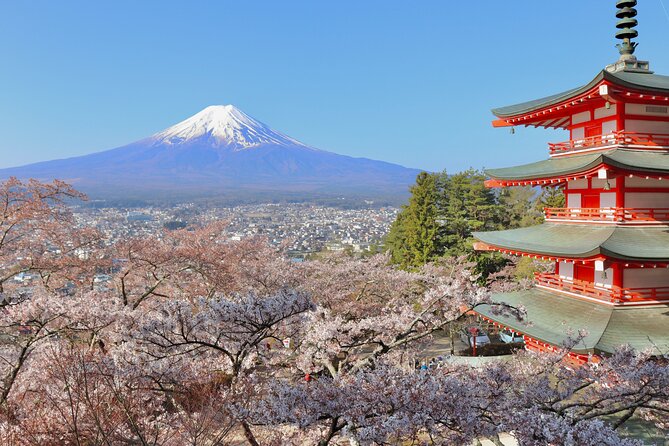
Chureito Pagoda is scheduled for about 45 minutes. This is the view that appears in countless Japan travel images: the pagoda, Mount Fuji, and the city of Fujiyoshida arranged in one frame.
The pagoda is a symbol of Fujiyoshida, and the stop gives you one of the clearest links between the mountain and Japanese visual culture. The famous view is also the reason this stop can be busy or demanding, though the supplied details do not specify crowd levels or the number of steps.
Forty-five minutes should allow time for the main viewpoint and photographs, but not a long visit to every part of the site. Weather is critical here. If Fuji is hidden, you will still see the pagoda and city, but the signature composition loses its main feature.
Kitaguchi Hongu Fuji Sengen Jinja
The Kitaguchi Hongu Fuji Sengen Jinja Shrine is scheduled for 30 minutes. It is dedicated to Mount Fuji and to the people who climb it, and it served as a starting point for ascents toward the mountain.
This stop adds religious meaning to the day. Fuji is not only a scenic peak. It has long been connected with worship and pilgrimage, and a shrine visit helps explain why the mountain carries such weight in Japanese culture.
Half an hour is enough for a focused visit with an explanation from the guide. It is not enough for a slow study of every feature. Listen for the cultural details, since they are likely to be more useful here than simply taking another photograph.
Yamanakako, the largest of Fuji’s five lakes
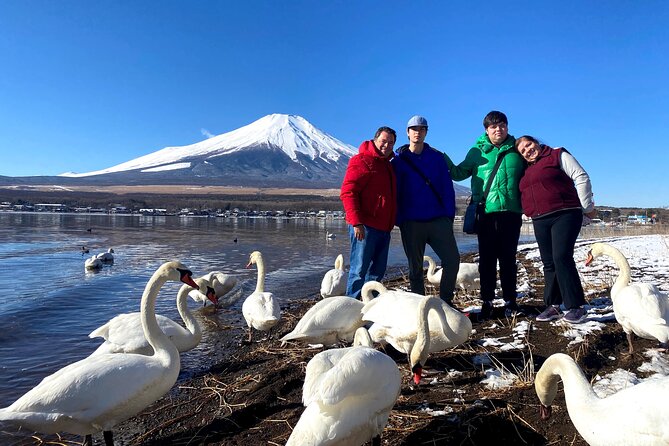
Yamanakako-mura is the final lake stop, with about 30 minutes. Yamanakako is the largest of the five lakes around Mount Fuji, and its water attracts swans, koi, and other birds.
The possibility of feeding birds gives this stop a lighter, more hands-on feel than the shrine or forest. The details say you can come to feed them, but do not state that feed is included, so ask before purchasing anything.
This is another brief visit. You will get a feel for the lake and its wildlife, but you should not expect a long nature walk or extended time by the water. By this point in a full day, the short format may be welcome.
How much value do you get for $96.17?
At $96.17 per person, the price is reasonable if you want transport, Spanish guidance, entry fees for the reconstructed village and wind cave, snacks, drinks, and a carefully planned route through much of the Fuji area.
The value is strongest for you if you have only one day available and want more than a single Mount Fuji viewpoint. Paying separately for transport between eleven sites would be awkward, and the guide’s ability to adjust the route around weather adds practical value.
The price is less attractive if you prefer slow travel. Lunch is extra, several stops last only 30 minutes, and poor weather can limit the mountain views. You are paying for range and coordination, not for an unhurried day at one lake.
The group maximum is nine, which helps explain the personal feel described in the tour details. A small group can make it easier to ask questions and follow the guide’s explanations. The exact vehicle arrangement is not specified, so ask the operator if transport details matter to you.
Who should book this Spanish-language excursion?
I would choose this tour if you speak Spanish and want cultural explanations without having to translate every shrine, village, or local custom yourself. It also suits first-time visitors who want a broad introduction to Mount Fuji’s lakes, forests, religious sites, and volcanic features in one day.
It is particularly useful for people staying around Mishima or using Mishima as a transport base. The fixed meeting point and return to that same office make the day easier to fit into a larger Japan itinerary.
You should think twice if your main goal is a long hike, a quiet lakeside afternoon, or guaranteed views of the summit. Fuji visibility cannot be promised, even with a weather-based route. Also consider the emotional tone of Aokigahara Forest, which may not suit everyone.
Free cancellation is available when you cancel at least 24 hours before the local start time. Cancellations within 24 hours are not refunded, and late changes are not accepted. If poor weather or an insufficient number of bookings causes the tour to be canceled, you are offered another date or a full refund.
Should you book it?
Book this day if you want to cover a lot of ground, prefer Spanish explanations, and value local culture as much as photographs. The mix of Shiraito Falls, Motosuko, Saiko Iyashi no Sato Nemba, Aokigahara, Chureito Pagoda, shrines, and the lava cave gives you a much broader picture of the Fuji area than a simple viewpoint transfer.
Skip it if you need a slow pace or are visiting mainly to photograph the summit for hours. For everyone else, the flexible route, small group, included drinks and entry fees, and strong guidance from Dario, Tito, Riomy, or Min make this a practical one-day choice from Mishima.
FAQ
Where does the tour start?
The tour starts at the Tokai Bus Mishima Information Office, 17-1 Ichibanchō, Mishima, Shizuoka 411-0036, Japan.
What time does the tour begin?
The start time is 8:00 a.m.
Where does the tour end?
The activity ends back at the meeting point in Mishima.
Is lunch included?
No. Snacks and drinks are included, but lunch is not.
How many people can join the tour?
The tour has a maximum of nine participants.
What happens if poor weather cancels the tour?
You are offered a different date or a full refund if the experience is canceled because of poor weather.
Just added around Japan
- Tokyo: Customizable Private Guided Walking Tour★ 4.5 · 129 reviews
- Private Harajuku Omotesando Architecture Tour★ 4.9 · 18 reviews
- Tokyo: Guided Helicopter Ride★ 4.9 · 24 reviews
- Tokyo: Guided Walking Tour of Tsukiji Market with Lunch★ 4.4 · 24 reviews
- Tokyo: Private Personalized Local Food Tour★ 4.5 · 101 reviews
- Tokyo GINZA: KONPARU Japanese Cabaret Show with Drink★ 4.8 · 38 reviews
- Tokyo: Guided Walking Tour of Tsukiji Market with Breakfast★ 4.4 · 134 reviews
- Tokyo: Gotokuji Cat Temple, Shinjuku Cat Cafe & 3D Cat Tour★ 4.9 · 38 reviews
Mount Fuji Day Trips, compared.
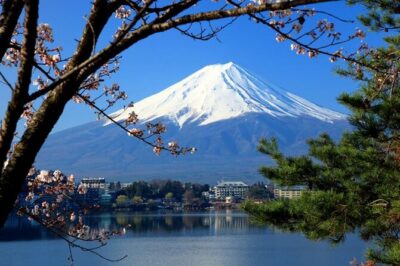
Mt Fuji and Hakone 1-Day Bus Tour Return by Bullet Train
Read our review →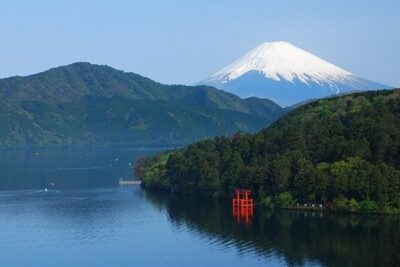
Mt Fuji & Hakone Cruise, Drum Show Bullet Train 1 Day from Tokyo
Read our review →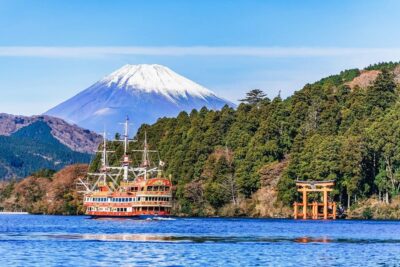
Tokyo Mt Fuji 5th St & Hakone Cruise Bus Tour w/Bullet Train
Read our review →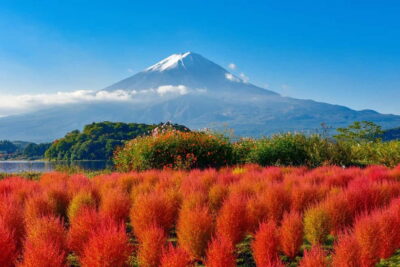
Mt. Fuji Tour, Hakone Ropeway, Owakudani, Lake Ashi
Read our review →
Mt Fuji Top 5 Spots Day Tour: Arakurayama Park,Oshino Hakkai
Read our review →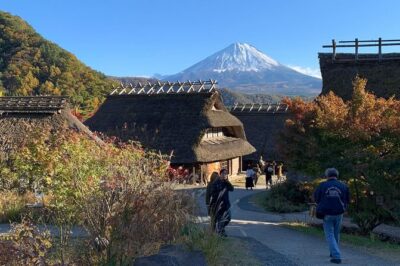
Private Tour to Mt. Fuji and Hakone (Fully Licenced Operator)
Read our review →
Mount Fuji Full-Day Private Tour from Tokyo (Customizable)
Read our review →Browse the lists this tour appears in