
REVIEW · MOUNT FUJI DAY TRIPS
Hakone Adventure: Explore Nature’s Beauty and Tranquility
Hakone’s great trick is that you experience it from nearly every angle in one day: forested slopes by train, volcanic valleys by ropeway, and Mount Hakone’s crater lake by boat. The route brings you to Owakudani’s steaming vents and the red torii gates of Hakone Shrine without making you solve every connection yourself. The variety is the star.
I like the way the tour turns public transportation into part of the sightseeing, especially the Hakone Tozan Railway and the ropeway above the caldera. I also like having an English-speaking guide such as Yumiko, Taku, Yuuki, or Kyo to explain the area and help with changes. The catch is cost: at $139 per person, you still pay transportation fares separately, and crowds can make the day feel rushed.
In This Review
- Key points to know before booking
- Why this route works for a first Hakone visit
- From Gora toward Hakone’s volcanic heart
- Owakudani, where Hakone still steams
- Cruising Lake Ashi inside Mount Hakone’s crater
- Hakone Shrine and the old Tokaido route
- The guide makes the transport puzzle easier
- What the $139 price really covers
- Timing, weather, and physical demands
- Who will get the most from this Hakone day
- Should you book this Hakone experience?
- FAQ
- Where does the Hakone tour start?
- Where does the tour finish?
- How long does the experience last?
- Is transportation included in the $139 price?
- Is the tour conducted in English?
- Can I expect to see Mount Fuji?
- What should I bring?
Key points to know before booking
- Hakone by four forms of transport: Ride the mountain railway, cable car, ropeway, and sightseeing boat rather than seeing the area from a bus window.
- Owakudani’s active volcano: Walk through a sulfur-scented valley where steam rises from vents in the ground.
- Lake Ashi and Hakone Shrine: Cruise the caldera lake, then visit one of Hakone’s best-known Shinto sites.
- Several departure choices: Start from Shinjuku in Tokyo, Odawara, Hakone Yumoto, or the listed park meeting point, depending on the option you book.
- A private English-language experience: Your guide stays with the group and helps with route changes, tickets, and local background.
- Weather and crowds matter: Mount Fuji may disappear behind clouds, and a long ropeway queue can cut into shrine time.
Why this route works for a first Hakone visit
Hakone can look simple on a map and feel surprisingly complicated on the ground. The sights are spread around a mountain basin, and the best route uses several different transport systems. This experience gives you a guide for that chain of connections, which is useful if you have only one day and do not want to spend it checking platforms and departure boards.
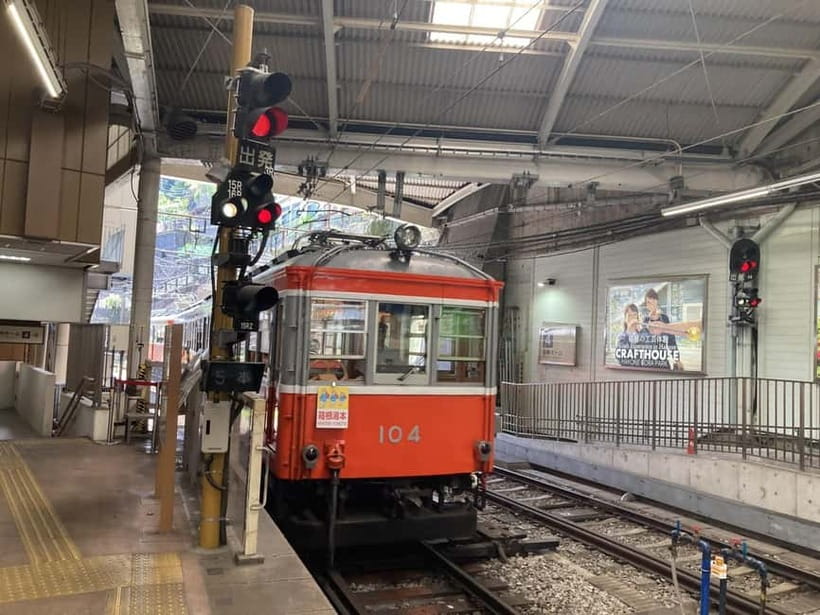
You begin with the Hakone Tozan Railway, Japan’s only mountain railway. The train climbs through wooded hills and uses switchbacks to gain height, reversing direction as it works its way up the slopes. The ride takes about an hour, so it is not just a quick transfer. You get time to watch the scenery change and hear how Hakone grew into a mountain resort and a stop along the old Tokaido route.
The route is especially attractive in different seasons. Forest views change through the year, and the train’s slow climb gives you a better sense of the steep terrain than a fast road journey would. I like this opening because it starts with movement and scenery rather than dropping you at a single viewpoint.
More Mount Fuji Day Trips in Mount Fuji
- Mt Fuji Area Private Guided Tours in English-Nature up close, quiet, personal
★ 5.0 · 288 reviews - Hakone 6 hour Private Tour with Government-Licensed Guide
★ 5.0 · 218 reviews - From Tokyo: Mount Fuji Full Customized Tour English Guide
★ 5.0 · 137 reviews
From Gora toward Hakone’s volcanic heart
After the train, the route continues by cable car for about 40 minutes. This section carries you higher through Hakone’s wooded slopes and prepares you for the more open volcanic scenery ahead.
The cable car is not simply a ride to the next stop. It shows how quickly Hakone changes as you gain altitude. Trees, valleys, and mountain views replace the tighter feel of the railway route. Your guide can also explain how the various transport lines fit together, a useful service when you are changing vehicles several times in one day.
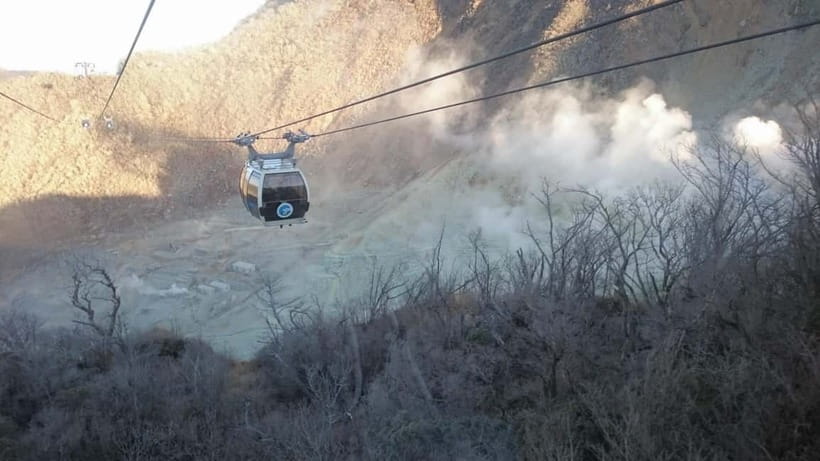
The trip then reaches the ropeway, which takes you above the Hakone caldera. A caldera is a broad crater formed by an ancient volcanic eruption. From the cabins, you can look across steep valleys and rugged ground shaped by those eruptions. The height gives you a broad view that is hard to match from the road.
This is one of the tour’s strongest features, but it is also where timing can go wrong. Ropeway lines may be long even on a weekday. One visitor lost enough time waiting that the final shrine visit had to be skipped because of a prebooked train back to Tokyo. If your schedule is tight, tell your guide at the start and avoid assuming that every listed stop will receive its full planned time.
Owakudani, where Hakone still steams
Owakudani is the most unusual stop on the route. It is an active geothermal valley, and steam rises from vents in the ground. The air has a clear sulfur smell, so this is not a polished garden stop. It feels raw, active, and slightly otherworldly.
You have about 20 minutes for a guided visit and sightseeing. That is enough to take in the main views and learn about the volcanic forces under Hakone, but it is not a long wandering period. Bring a camera, though steam and weather can affect what you see.
Owakudani also has local traditions tied to its volcanic setting, including the famous black eggs associated with the area. The tour information specifically points to the chance to discover them, though food is not included in the price. If you want to buy something, carry money and allow for the short stop.
I find Owakudani valuable because it gives the day a physical focus. You are not only looking at mountains from a train or boat. You are standing near an active geothermal area and seeing evidence of heat rising from below.
Cruising Lake Ashi inside Mount Hakone’s crater
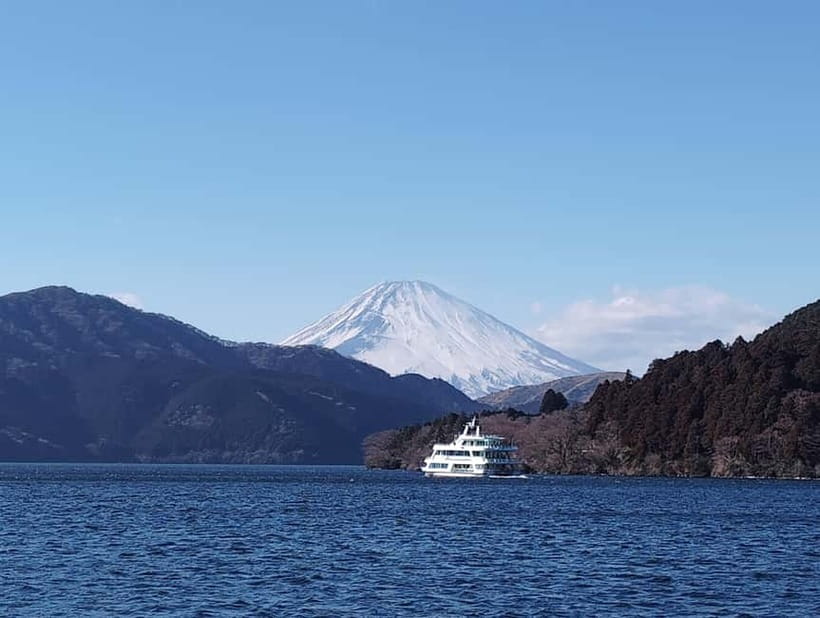
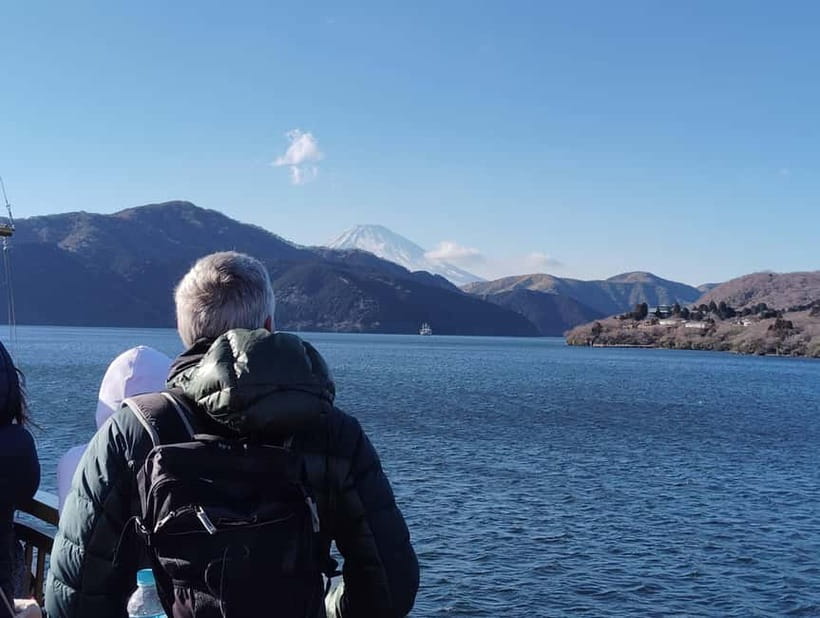
The sightseeing cruise lasts about 50 minutes and crosses Lake Ashi, the calm body of water formed inside Mount Hakone’s caldera. After the high volcanic views of Owakudani, the lake offers a sharp change of pace.
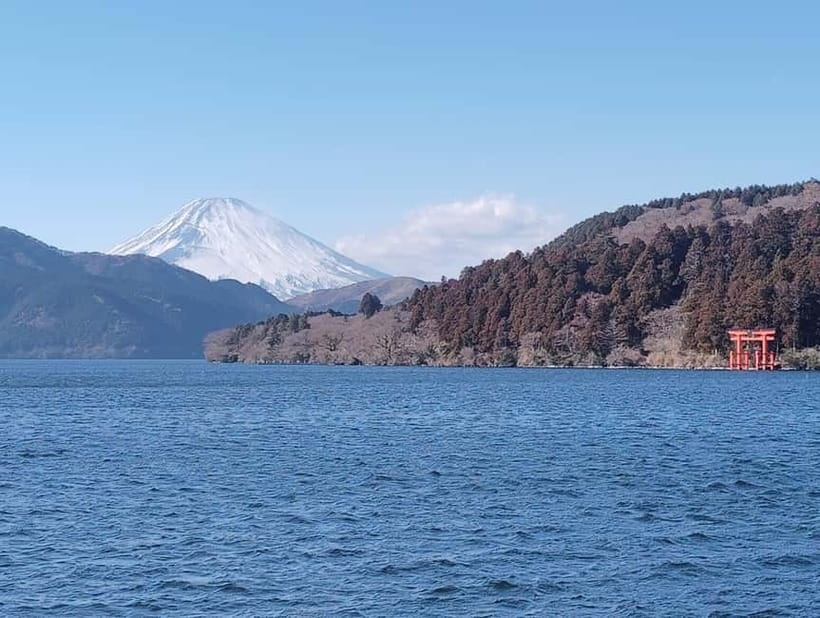
From the boat, forested hills surround the water. On a clear day, you may see Mount Fuji, and the combination of Fuji, lake, and mountain slopes is the image many people carry away from Hakone. The weather has the final say. One October visit had pleasant views of the volcanic area and lake but no Fuji because clouds covered the mountain.
That is important when judging the tour. A Fuji view is a possibility, not a promise. If Fuji is your main reason for booking, choose a day with a favorable forecast and keep your expectations flexible. Even without it, the cruise still gives you a different view of Hakone and a welcome rest after the rail and ropeway sections.
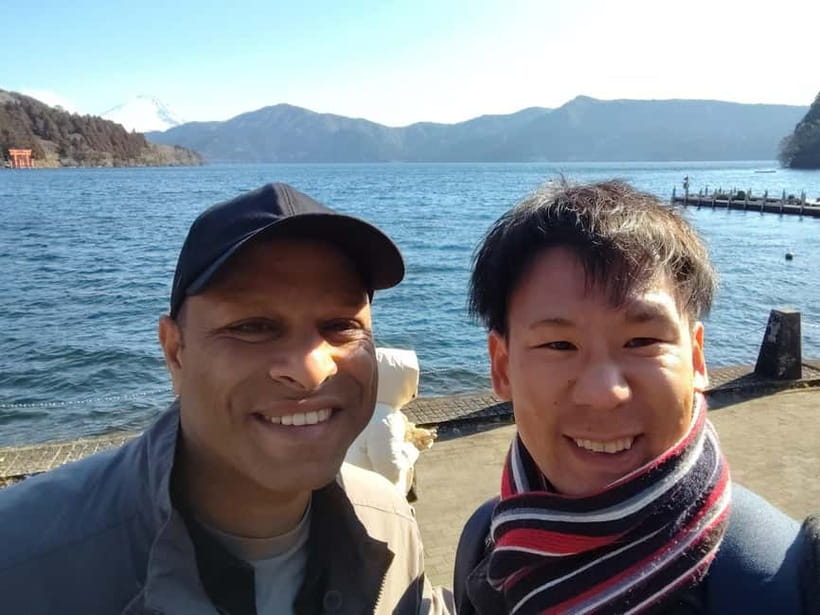
You also get the chance to see the torii gates associated with Hakone Shrine from the water. Depending on the conditions and the exact timing, the view may be shared with many other people. Lake Ashi is one of the region’s major sights, so quiet solitude is not the main selling point here. The value is seeing the lake as part of the larger volcanic setting.
Same city, a completely different kind of day:
- Explore Mt. Fuji Ice Cave in Aokigahara Forest
★ 5.0 · 243 reviews - From Tokyo: Full-Day Mount Fuji Tour in English or Spanish
★ 4.7 · 101 reviews - Mt Fuji Hakone/Enoshima Tour:Optional Ropeway/Lake Ashi Boat
★ 4.3 · 49 reviews - From Kawaguchiko: Mt. Fuji Private Tour with a Local Guide
★ 5.0 · 35 reviews
Hakone Shrine and the old Tokaido route
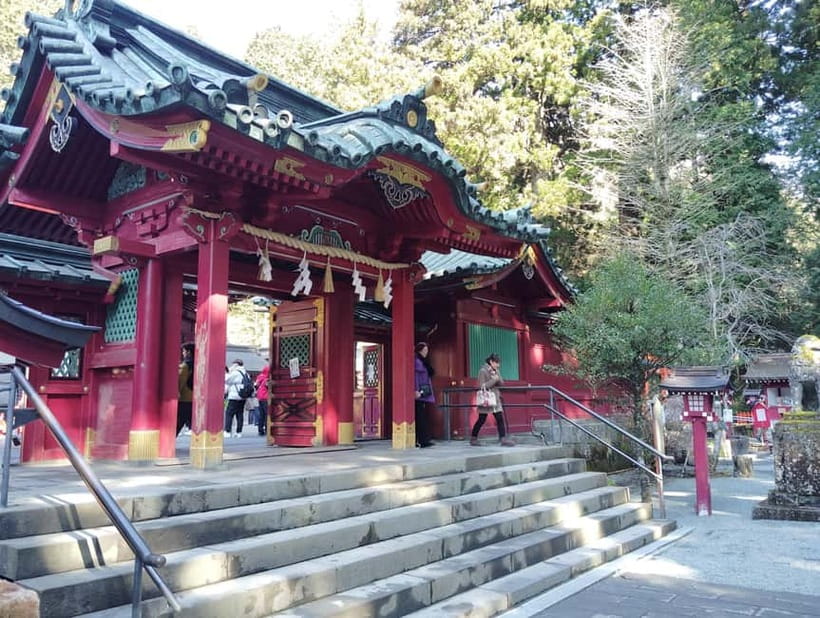
The itinerary allows about 45 minutes at Hakone Shrine, followed by a short 10-minute visit period listed for Lake Ashi. The shrine is tied to Hakone’s spiritual traditions and sits near the lake’s famous red torii gates.
This is the cultural counterweight to Owakudani. The volcanic valley explains Hakone’s natural power, while the shrine shows how people have long understood and honored the mountains and water around them. Your guide can connect the site to Japanese religious tradition and to Hakone’s role as a historic checkpoint town on the old Tokaido Road.
The shrine stop deserves attention, but the schedule may not always protect it. Crowded transport, especially the ropeway, can push the day behind schedule. If you need to catch a train from Hakone or return to Tokyo at a fixed time, ask your guide how much flexibility remains before you commit to the full route.
A 45-minute stop is enough for a focused visit, not a leisurely exploration of every corner. You should arrive ready to walk, take in the main setting, and listen to the explanation rather than expect a long unhurried pause.
The guide makes the transport puzzle easier
The main service here is not skip-the-line access. It is having someone manage the route with you. The day moves through train, cable car, ropeway, boat, and bus, with tickets and changes to handle along the way.
Guides named in the supplied material include Yumiko, Taku, Yuuki, and Kyo. Yumiko was described as prompt, enthusiastic, and attentive to personal preferences. Taku received praise for keeping the route moving and helping with transport, including for someone with slight mobility concerns. Yuuki was noted for being friendly, accommodating, and able to explain many parts of the journey. These individual guides may not be available for every departure, so treat the names as examples rather than a guarantee.
A private group can also make the experience more personal than a large coach outing. You can raise questions, discuss how much time to spend at a sight, and tell the guide about your train plans. Still, a private guide cannot control ropeway capacity, weather, or public transport delays.
That distinction matters. You are paying for guidance and coordination, not for a private vehicle or included transit. If you are comfortable reading Japanese transport signs, planning the route, and buying tickets, you may find the price hard to justify. If you prefer to focus on the view and let someone else handle the sequence, the guide has real value.
What the $139 price really covers
The listed price is $139 per person, but transportation fares are paid separately during the day. Food and drinks are also extra. That makes the final cost higher than the headline figure, and you should calculate the whole day before booking.
The comparison is straightforward. You can buy a Hakone transport pass or arrange the route yourself for less, then use maps and station staff to connect the railway, cable car, ropeway, and cruise. Independent planning costs less but takes more effort, and a missed connection can eat into your sightseeing time.
This experience makes more sense for a first visit, a short stay, or anyone who dislikes transport puzzles. It is also useful if you want historical and cultural explanations as you go, rather than simply collecting scenic stops.
It makes less sense if low cost is your top concern or if you enjoy building your own route. One direct assessment put the self-guided round trip at roughly one-third of the tour price. That comparison is not unfair, but it leaves the guide’s assistance and local context as the reasons to pay more.
Timing, weather, and physical demands
The duration ranges from 270 to 570 minutes, or roughly four and a half to nine and a half hours. The wide range reflects different departure points and route timing, so check the exact option before you book.
Starting in Shinjuku can make this a long day from Tokyo. Other choices include Odawara, Hakone Yumoto, and the listed meeting point at Mukoyama Park, with drop-offs at Hakone Yumoto or the Shinjuku east exit police box, depending on the booking. Confirm your meeting place carefully because it varies by option.
Arrive 15 minutes early. Wear comfortable shoes, since the day includes walking between stations, viewpoints, and sightseeing areas. Warm clothing is wise even when Tokyo feels mild, because mountain temperatures and wind can differ. Sunscreen and a camera also belong in your day bag.
The activity is not suitable for pregnant women, people with mobility impairments, or people with heart problems. That guidance matters because of the walking, mountain transport, changing elevations, and busy public areas. The tour can offer assistance for slight mobility issues, but that is not the same as being designed for reduced mobility.
Smoking is not allowed. Food and drinks are not included, so plan your own refreshments rather than assuming every stop will provide a relaxed meal break.
Who will get the most from this Hakone day
I would choose this for a first-time Hakone visitor who wants the region’s headline sights in one organized outing. The route gives you rail scenery, volcanic activity, a lake cruise, a shrine, and several forms of transport in a single day.
It also suits people who value explanation. Hakone is more rewarding when you understand the connection between the old Tokaido road, mountain worship, the caldera, and the hot volcanic ground. A guide can join those pieces as you move through the region.
I would hesitate to recommend it to a budget-minded independent visitor. The extra fares make the cost climb, and the same transport network can be used without a guide. I would also be cautious if your schedule has no room for delay, since a crowded ropeway can shorten or remove the shrine stop.
For the best chance of seeing Fuji, check the forecast and avoid weekends when possible. Even then, keep the mountain view in the bonus category. Hakone has enough variety to remain worthwhile when clouds hide Fuji.
Should you book this Hakone experience?
Book it if you want a guide, a private group, and help joining Hakone’s many transport links. Yumiko, Taku, Yuuki, and Kyo have each been noted for care, clear explanations, or practical help, though guide assignment is not guaranteed. The rail, cable car, ropeway, Owakudani visit, lake cruise, and shrine create a full picture of the area.
Skip it if you mainly want the cheapest way around or if you prefer a slow day at each stop. Add the transport fares to the $139 price, allow extra time for queues, and protect your return train schedule. For the right person, the fee buys calm and context. For an independent planner, it may buy less than a good transport pass and a little preparation.
FAQ
Where does the Hakone tour start?
The available starting points are Mukoyama Park, the Shinjuku East Exit Police Box, Hakone Yumoto Station, and the Odawara Tourist Information Center. The exact meeting point depends on the option booked.
Where does the tour finish?
The listed drop-off points are Hakone Yumoto Station and the Shinjuku East Exit Police Box. The available destination depends on the option selected.
How long does the experience last?
The duration ranges from 270 to 570 minutes. Check the available start times and the exact option because departure location affects the total length.
Is transportation included in the $139 price?
No. Transportation fares are paid separately during the tour. Food and drinks are also not included.
Is the tour conducted in English?
Yes. The experience includes a live English-speaking guide throughout the journey.
Can I expect to see Mount Fuji?
You may see Mount Fuji on a clear day, especially during the Lake Ashi portion. Cloud cover can block the view, so it is not guaranteed.
What should I bring?
Bring comfortable shoes, warm clothing, a camera, and sunscreen. Arrive at the meeting point 15 minutes before departure.
Just added around Mount Fuji
- From Kawaguchiko: Mt. Fuji Private Tour with a Local Guide★ 5.0 · 35 reviews
- Mt Fuji Hakone/Enoshima Tour:Optional Ropeway/Lake Ashi Boat★ 4.3 · 49 reviews
- Mt. Fuji Guided Scenic Trike Adventure from Lake Kawaguchi★ 5.0 · 15 reviews
- Kowakien Yunessun Hot Springs Entry Ticket★ 4.2 · 23 reviews
- Hakone: Day Tour to View Mt Fuji & Wooden Culture Experience★ 5.0 · 23 reviews
- Hakone Hachiri: Old Tokaido Highway Hiking Tour★ 4.9 · 22 reviews
- Tokyo: Private Mt. Fuji Luxury Day Tour – Fully Customizable★ 4.9 · 17 reviews
- From Tokyo: Mount Fuji Full Customized Tour English Guide★ 5.0 · 137 reviews
Mount Fuji Day Trips, compared.
Mt Fuji and Hakone 1-Day Bus Tour Return by Bullet Train
Read our review →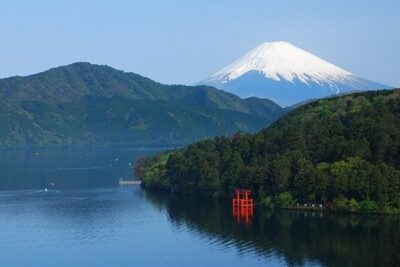
Mt Fuji & Hakone Cruise, Drum Show Bullet Train 1 Day from Tokyo
Read our review →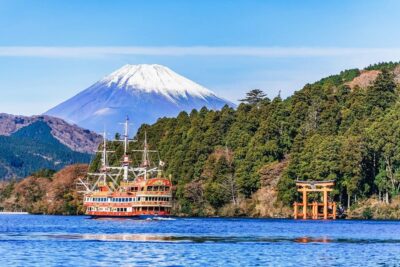
Tokyo Mt Fuji 5th St & Hakone Cruise Bus Tour w/Bullet Train
Read our review →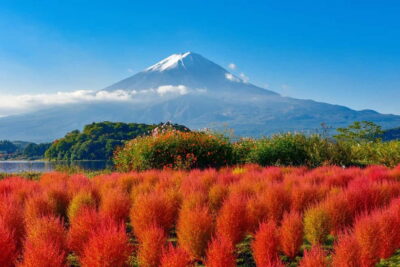
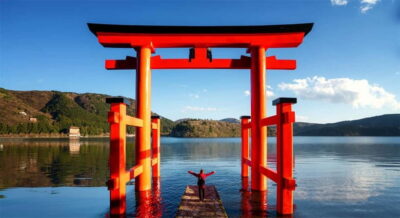
Mt. Fuji Tour, Hakone Ropeway, Owakudani, Lake Ashi
Read our review →
Mt Fuji Top 5 Spots Day Tour: Arakurayama Park,Oshino Hakkai
Read our review →
Private Tour to Mt. Fuji and Hakone (Fully Licenced Operator)
Read our review →
Mount Fuji Full-Day Private Tour from Tokyo (Customizable)
Read our review →Browse the lists this tour appears in